




The Scale of India's Data Centre Boom
Driven by government initiatives like Digital India, data localisation policies, and a surge in cloud adoption, India's data centre capacity is expanding at a breakneck pace. The market is projected to more than double its IT load capacity from around
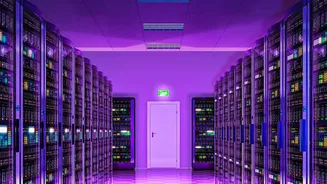
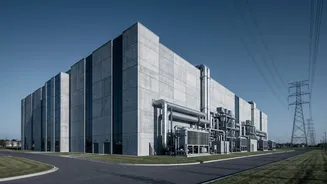
1.5 GW in 2025 to potentially 2 GW by the end of 2026. This growth is attracting staggering investment, with commitments reaching into the hundreds of billions of dollars. The primary drivers are hyperscale cloud providers and the intensive computing needs of artificial intelligence, which require denser, more powerful infrastructure than ever before. This boom is positioning India as a major global data hub, but it also places immense strain on the country's essential resources.
An Unprecedented Thirst for Power
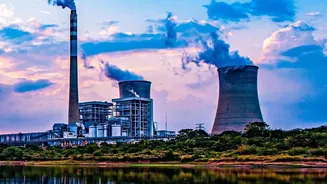
Data centres are among the most energy-intensive facilities on the planet. Cooling alone can account for 30-40% of a facility's total energy consumption. In 2024, India's data centres consumed an estimated 0.8% of the country's total electricity, a figure that could jump to nearly 3% by 2030 as AI adoption grows. The rise of AI workloads dramatically increases power demand per rack, making energy efficiency a critical concern. While India is pushing for renewable energy, the 24/7 reliability required by data centres often means a continued reliance on the grid and backup diesel generators, posing a challenge to the nation's net-zero goals. State governments in Maharashtra, Karnataka, and Tamil Nadu are offering incentives for using at least 30% renewable energy, but the scale of new demand presents a significant challenge for an already strained power grid.
The Unseen Water Footprint
Perhaps the most critical hidden cost is water. Many large data centres use evaporative cooling systems, which are energy-efficient but consume vast amounts of water. A single 100 MW hyperscale facility can use up to two million litres of water per day. India's data centres were estimated to consume 150 billion litres of water in 2024-25, a figure projected to more than double by 2030. This is particularly alarming as many data centres are concentrated in cities like Mumbai, Chennai, and Bengaluru, which are already facing acute water stress. The competition for water between these vital tech hubs and the needs of local communities and agriculture is becoming a serious concern, especially with state policies often lacking specific mandates on water usage or sourcing.
The Search for Greener Solutions
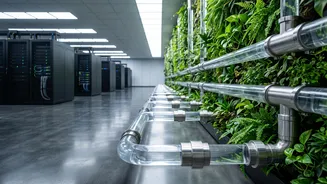
The industry is not standing still. There is a growing push towards greater sustainability, driven by both regulatory nudges and operational necessity. Operators are exploring advanced, less water-intensive cooling methods like closed-loop liquid cooling and direct-to-chip cooling, which are more suitable for high-density AI servers. The Indian Green Building Council (IGBC) is promoting standards for energy and water efficiency, while some new policies offer incentives for facilities that achieve green certification. Major players are also signing power purchase agreements to source renewable energy and investing in more efficient designs. However, these greener technologies can increase capital costs, and their adoption must accelerate to keep pace with the industry's explosive growth.