



From the Beauty Counter to Your Camera
For decades, personalised skincare advice meant a trip to a department store counter or a dermatologist's office. Today, that expertise is being coded into algorithms. Major retailers and beauty brands are rolling out AI-powered tools that analyse your
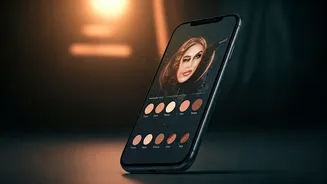
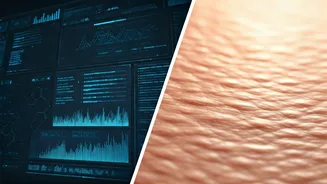
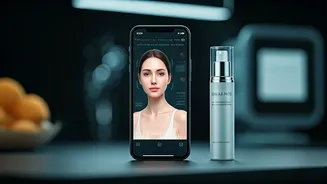
skin from a smartphone photo. This shift represents a move towards 'personalisation at scale', where technology offers a tailored experience previously reserved for one-on-one consultations. Brands like Sephora use in-app 'Smart Skin Scans' that turn a selfie into a detailed report on concerns like texture, redness, and pores, followed by product recommendations. The goal is to replace vague, self-reported issues with objective, visual data, making recommendations more precise.
How AI Becomes Your Skincare Advisor
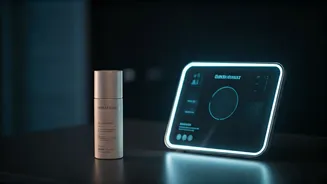
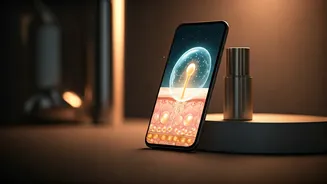
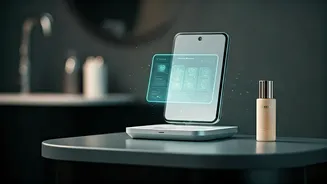
The process is designed to be simple for the user. You open an app, take a well-lit photo, and within seconds, an AI model gets to work. Using computer vision, the software scans your face, mapping different zones and identifying visible signs like fine lines, dark spots, oiliness, and dryness. These systems are trained on massive databases containing thousands or even millions of medical-grade images, allowing them to recognise patterns and grade their severity. Some tools, like L'Oréal's Perso system, go a step further by incorporating local environmental data like the UV index, humidity, and pollen levels to fine-tune its formula recommendations. After the analysis, you receive a report and a customised multi-step skincare routine.
The Promise of a Perfect Routine
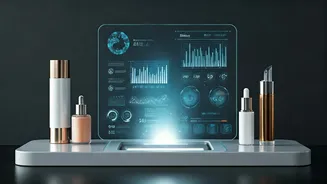
The primary appeal of AI skincare is its potential for unprecedented personalisation and convenience. These tools promise data-driven precision, offering objective measurements of your skin's condition that can track progress over time. This allows users to see if a new routine is actually working by comparing scans. For many, it's a way to get immediate, accessible advice without the cost or wait time of a dermatologist visit. The technology can detect up to 14 different skin concerns, from wrinkles to hydration levels, and provide instant product suggestions tailored to those findings. This removes the trial and error that often leads to a cabinet full of half-used, ineffective products.
Accuracy, Bias, and Privacy Concerns
Despite its advancements, AI is not a replacement for a human doctor. One major limitation is the 'black box' problem, where even developers can't fully explain why an algorithm makes a specific decision. The accuracy of any analysis heavily depends on the quality of the photo and the diversity of the dataset it was trained on. Early models trained primarily on lighter skin tones have shown biases, performing less accurately on darker skin, which can perpetuate health inequities. Furthermore, while many apps claim to follow best practices for data security, users are still uploading sensitive facial data, raising valid privacy concerns. Finally, these tools can identify visible surface issues but cannot feel the skin or understand the lifestyle and health context a dermatologist would, meaning they can't truly diagnose medical conditions.
The Future of Your Face Is Data-Driven
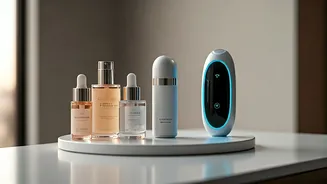
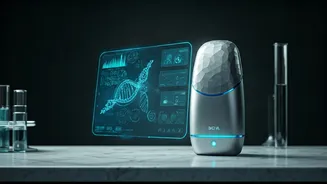
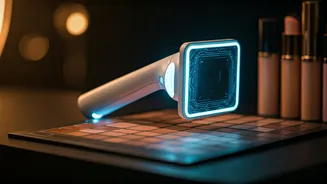
AI is set to become a fundamental part of the beauty industry's infrastructure, not just a novelty. The future likely involves an integration of these diagnostic tools with at-home devices that can dispense custom-blended formulas on the spot, adjusted for morning and evening use. We may also see 'bio-intelligent' skincare that uses AI and biotechnology to create products that adapt in real-time to your skin's changing needs based on stress, hormonal shifts, or pollution exposure. While the technology will get smarter and more accurate, its best use will likely be as a powerful assistant. It can help triage concerns, educate consumers, and track cosmetic progress, while leaving the diagnosis and treatment of serious skin diseases to qualified medical professionals.