



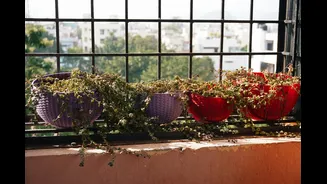
Choose the Right Pots
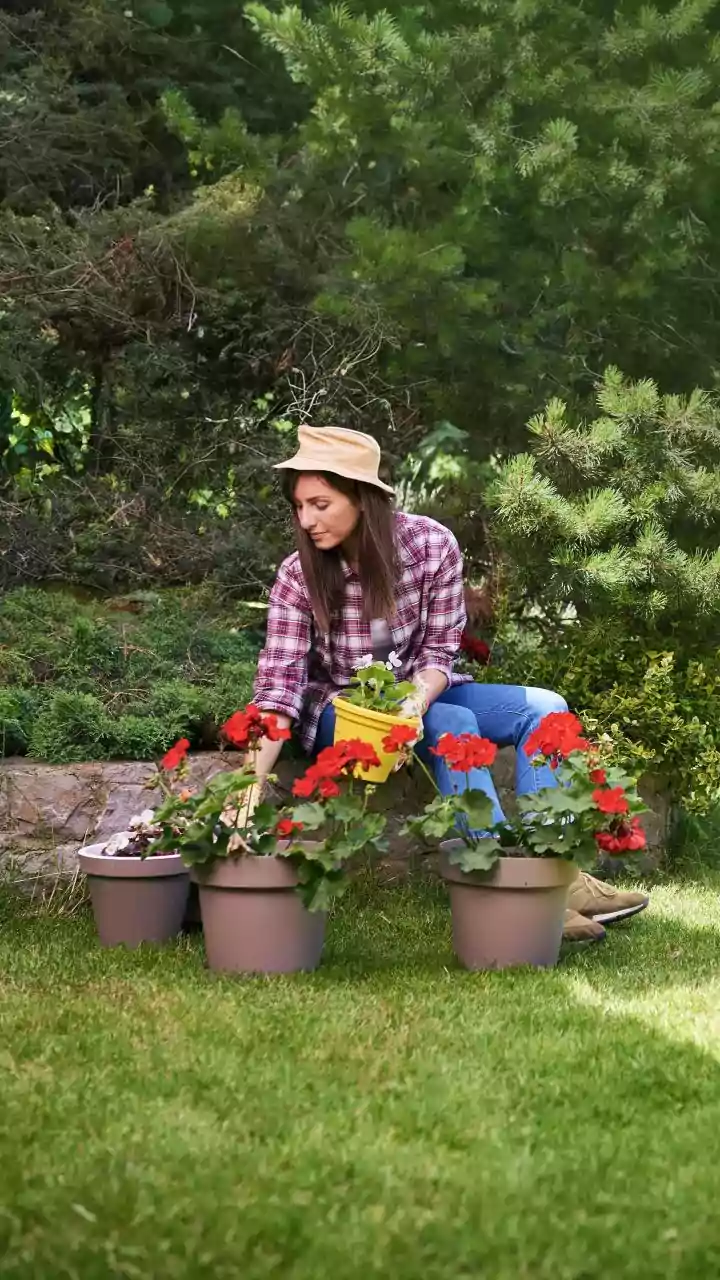
The container you choose plays a significant role in moisture retention. Porous materials like terracotta are classic but dry out very quickly because moisture evaporates through the clay walls. In a hot, sunny urban balcony, this can be a major disadvantage.
Instead, opt for plastic, glazed ceramic, or fibreglass pots, which are non-porous and hold onto water much longer. Larger containers are also better, as they hold a greater volume of soil, which in turn holds more moisture and provides better insulation for the roots against temperature swings. Whatever you choose, ensure it has adequate drainage holes to prevent waterlogging, which can lead to root rot.
Create a Moisture-Retaining Soil Mix
Standard garden soil is not ideal for pots; it compacts easily, choking roots and preventing proper water absorption. A good potting mix designed for containers is essential. To boost its water-holding capacity, create a custom blend. Start with a quality potting mix and add organic materials. Cocopeat (coconut coir) is a fantastic addition, as it can hold a significant amount of water while still allowing for good aeration. Compost and vermicompost also improve moisture retention while adding vital nutrients. For even better results, consider adding perlite or vermiculite. Perlite helps with aeration, while vermiculite acts like a sponge, soaking up water and releasing it slowly to the plant's roots. A common recipe is equal parts potting soil, cocopeat, and compost.
Water Smarter, Not Harder
The best time to water is early in the morning, when temperatures are cooler. This allows the water to soak into the soil and be absorbed by the roots before the midday sun causes rapid evaporation. Watering in the evening is the next best option. Avoid watering during the hottest part of the day, as much of it will be lost to evaporation and water droplets on leaves can cause scorching. When you do water, do it deeply. Water the soil until you see it running out of the drainage holes at the bottom. This ensures the entire root ball is saturated. Shallow, frequent watering encourages shallow roots, making the plant more vulnerable to drying out. Before watering, always check the soil by inserting your finger an inch or two deep. If it feels dry, it's time to water; if it's still damp, you can wait.
The Magic of Mulching
Applying a layer of mulch to the top of the soil is one of the most effective ways to reduce water evaporation and keep the soil cool. For balcony pots, you have several options. Organic mulches like shredded bark, wood chips, or cocopeat chips work well. They slowly break down, adding nutrients to the soil over time. Straw is another excellent choice, especially for vegetable containers. Even a layer of small pebbles or gravel can act as a mineral mulch, which is ideal for succulents and herbs that prefer drier conditions. Apply a one- to two-inch layer, but be sure to leave a small gap around the stem of the plant to prevent rot.
Provide Strategic Shade
The afternoon sun is the most intense and can quickly scorch leaves and dry out pots. If possible, move your containers to a spot that receives morning sun and afternoon shade. If your balcony is fully exposed, create your own shade. Grouping plants together helps them shade each other, creating a more humid microclimate that reduces moisture loss from leaves. You can also install a shade cloth, which is a permeable fabric that reduces sunlight intensity by 30-50% while still allowing for air circulation. Even a strategically placed patio umbrella or a simple screen can provide much-needed relief during the hottest hours of the day.
Consider Self-Watering Solutions
For busy gardeners or those who travel, self-watering systems can be a lifesaver. Self-watering planters have a built-in reservoir at the bottom that wicks water up to the soil as needed, providing a consistent supply of moisture. You can also create simple DIY versions. One popular method is the wine bottle trick: fill an empty wine bottle with water, drill a small hole in the cap, and insert it upside down into the soil. The water will seep out slowly over several days. Another option is using watering cones, which are ceramic spikes that you attach to a water bottle and push into the soil.