

The Transformation of the Landscape
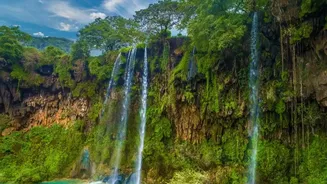
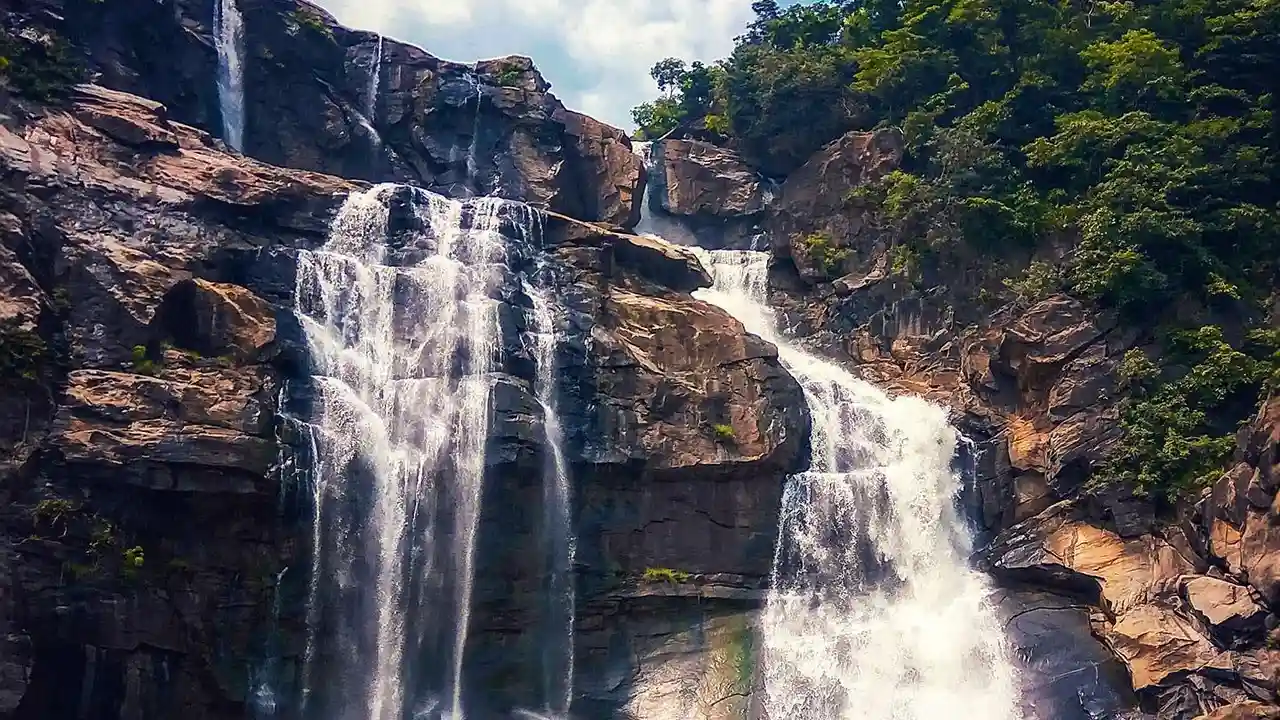
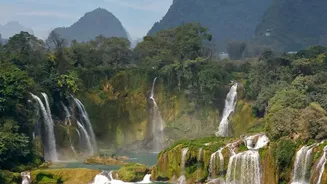
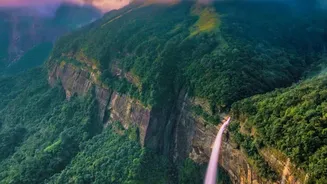
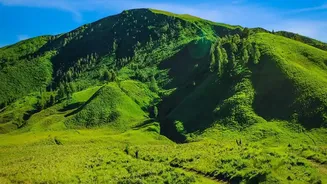
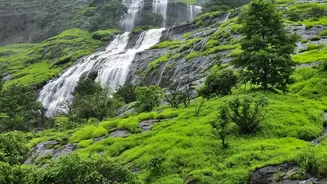
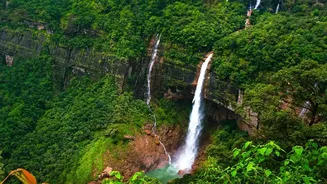
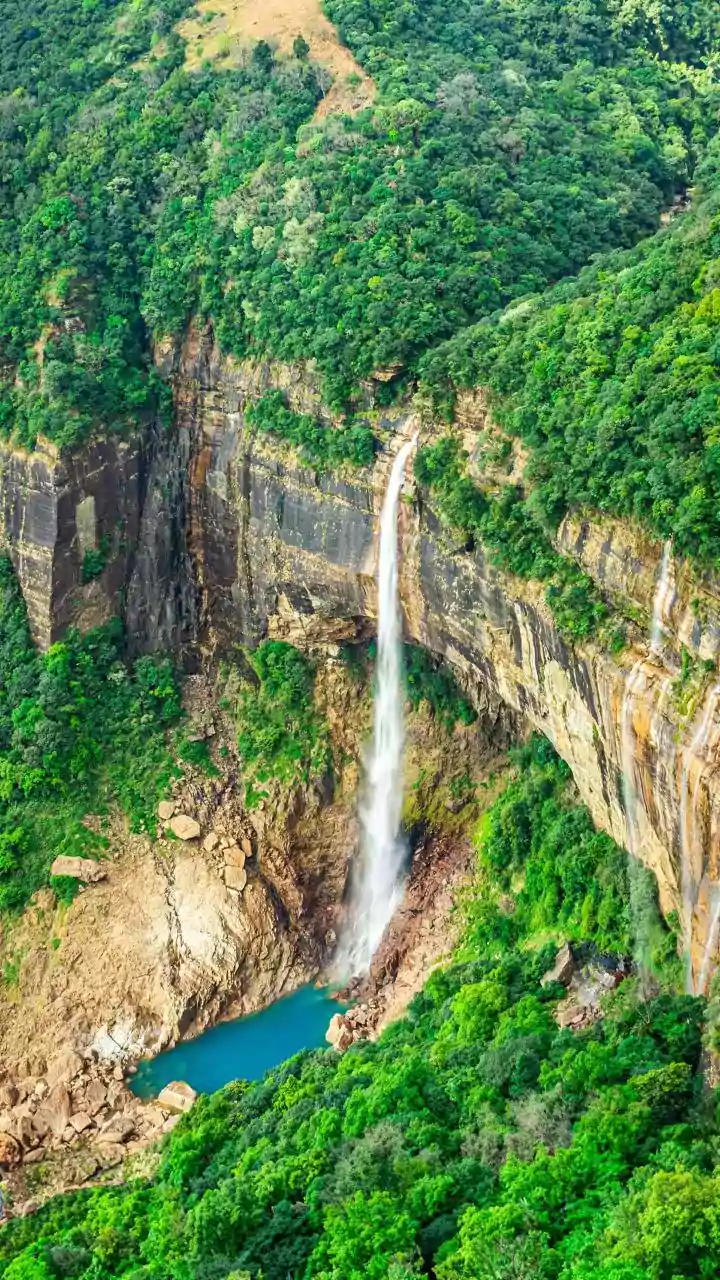
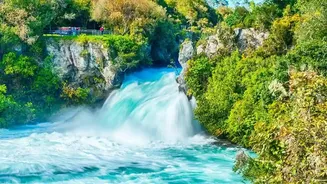
The primary reason the rainy months are ideal for waterfall chasing is the dramatic change in the environment. From June to September, the Western Ghats receive heavy rainfall, breathing life into the entire region. The landscape, which can appear stark
and dry in the summer, becomes a lush, vibrant paradise. This emerald blanket, often shrouded in mist, creates a breathtaking backdrop for the waterfalls, which are either seasonal or swell to their most spectacular volumes during this time. The air is fresh, the temperatures are cool, and the scent of wet earth—petrichor—fills your senses, making any journey an immersive experience.
Thoseghar Falls, Satara: A Roaring Giant
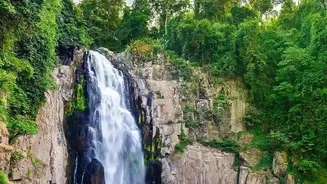
Located about 20 km from Satara, Thoseghar Falls is not a single cascade but a series of them, with the tallest plunging approximately 500 meters. During the monsoon, from July to October, it becomes one of the most formidable and majestic waterfalls in India. A well-maintained viewing platform allows visitors to safely witness its power as it thunders into the gorge below. The journey to the falls itself is a treat, with scenic roads winding through green valleys. Its proximity to the Kaas Plateau, a UNESCO World Heritage site famous for its valley of flowers, makes it a highlight of any monsoon itinerary in the region.
Randha Falls, Bhandardara: A Powerful Display
Bhandardara is often called a quintessential monsoon destination, and Randha Falls is its crown jewel. Formed by the Pravara River, the waterfall drops an impressive 170 feet into a deep gorge. While it's a sight to behold year-round, the monsoon intensifies its volume dramatically, creating a thunderous roar that echoes through the valley. It’s a key source of hydropower for the region and is best visited between July and October to see it in its full, untamed glory. Nearby attractions like Arthur Lake and Wilson Dam add to Bhandardara's appeal as a complete monsoon retreat.
Lingmala Waterfall, Mahabaleshwar: A Forest Oasis
Nestled amidst a lush forest near Mahabaleshwar, Lingmala Waterfall offers a serene escape. It's known for its two distinct viewpoints: a lower deck that leads to a smaller, more accessible fall, and an upper deck that reveals a magnificent cascade dropping from about 600 feet. The trek to the main fall, though involving a walk, is a rewarding experience through dense greenery. The monsoon season (July to October) is the best time to visit, as the falls are at their peak, creating a misty and magical atmosphere perfect for nature lovers and photographers.
Vihigaon (Ashoka) Waterfall, Igatpuri: An Adventurer's Delight
For those seeking a bit of adventure, Vihigaon Waterfall, also known as Ashoka Waterfall, is a must-visit. Located near Igatpuri, this seasonal fall cascades from a height of about 120 feet into a pristine pool. Its location within a dense forest makes the short hike to reach it an experience in itself. During the monsoon, it becomes a popular spot for waterfall rappelling, offering a thrilling 30-minute descent. The waterfall gained fame after being featured in the film 'Asoka', and its raw beauty continues to draw visitors from Mumbai and Nashik.
Bhivpuri Waterfall, Karjat: The Accessible Escape
Popular among Mumbaikars, Bhivpuri Waterfall in Karjat is renowned for its accessibility. A short walk from the Bhivpuri Road railway station makes it an easy day trip for city dwellers. The waterfall itself is a beautiful multi-tiered cascade, ideal for those who want to enjoy the monsoon without a strenuous trek. It can get crowded on weekends, but its charm lies in the quick transition from urban life to the lap of nature. The area also offers opportunities for trekking and rappelling for the more adventurous.
Safety First: Tips for Monsoon Exploration
While the monsoon enhances the beauty of these waterfalls, it also brings risks. Paths can become slippery, and water levels can rise suddenly and without warning. Always wear sturdy footwear with a good grip, and carry a raincoat and a first-aid kit. It is crucial to heed safety warnings and avoid venturing into restricted areas or getting too close to the edge of the falls. At some locations, such as Pandavkada Falls in Kharghar, authorities may restrict entry during heavy rains due to past accidents. Always check local conditions before you travel and prioritize safety to make your monsoon adventure a memorable one for all the right reasons.