



Start from the Ground Up
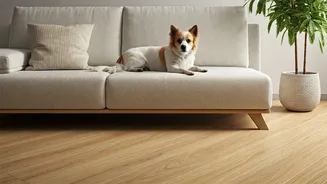
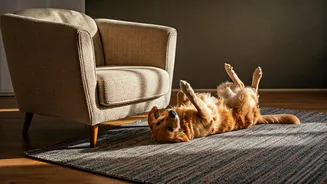
The surfaces of your home bear the brunt of pet life, from muddy paw prints to shedding fur and the occasional accident. Choosing the right flooring is your first line of defence. Hard surfaces like polished concrete, high-quality laminate, or vitrified
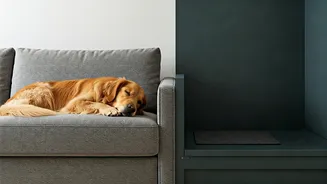
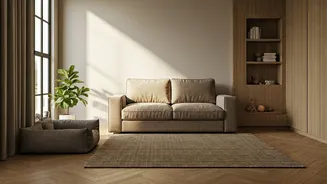
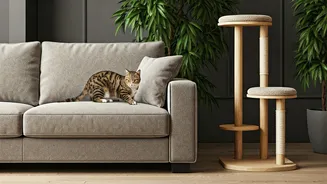
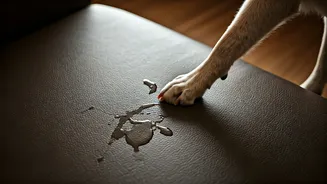
tiles are stars here. They are non-porous, scratch-resistant, and incredibly easy to clean. If you love the warmth of wood, opt for harder varieties like teak or engineered wood with a tough finish. For soft furnishings, think performance fabrics. Modern textiles used for outdoor furniture are now stylish enough for the living room, offering resistance to stains, moisture, and claws. Removable, machine-washable covers for sofas and cushions are a non-negotiable for a stress-free, hygienic home.
Create 'Paw-sitive' Zones
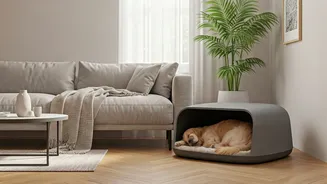
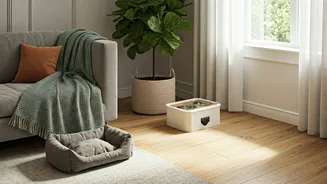
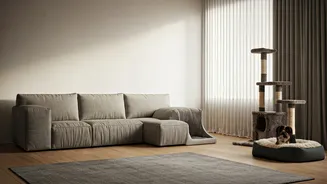
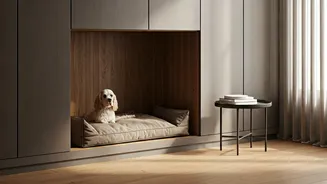
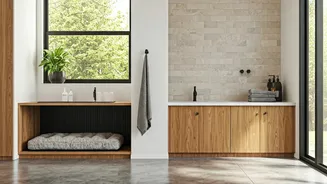
Just like humans need personal space, so do our pets. Integrating dedicated zones for their needs prevents their essentials from cluttering your living space. Consider built-in solutions. A nook under the stairs or a customised cabinet in the kitchen can become a discreet feeding station, keeping bowls off the floor. For cats, a well-ventilated cabinet can conceal a litter box, providing privacy while controlling odour. A designated sleeping corner with a comfortable bed that complements your decor gives your pet a sense of security and belonging. This isn't about hiding your pet's presence, but about thoughtfully integrating their life into the fabric of your home.
Integrate Play and Enrichment
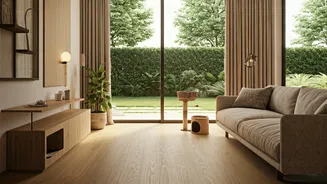
A bored pet is often a destructive pet. Building enrichment into your home's design can keep them mentally and physically stimulated. For cat owners, this means thinking vertically. Floating shelves arranged as a stylish 'cat highway', a tall scratching post that doubles as a sculptural element, or a comfortable window perch for bird-watching can transform your walls into an adventure playground. For dogs, a durable toy box that they can access themselves teaches them tidiness. Ensure there's a clear, open space for a game of indoor fetch on a rainy day. A well-designed home considers not just an animal's rest, but also its instinct to play and explore.
Prioritise Safety and Health
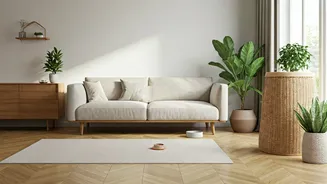
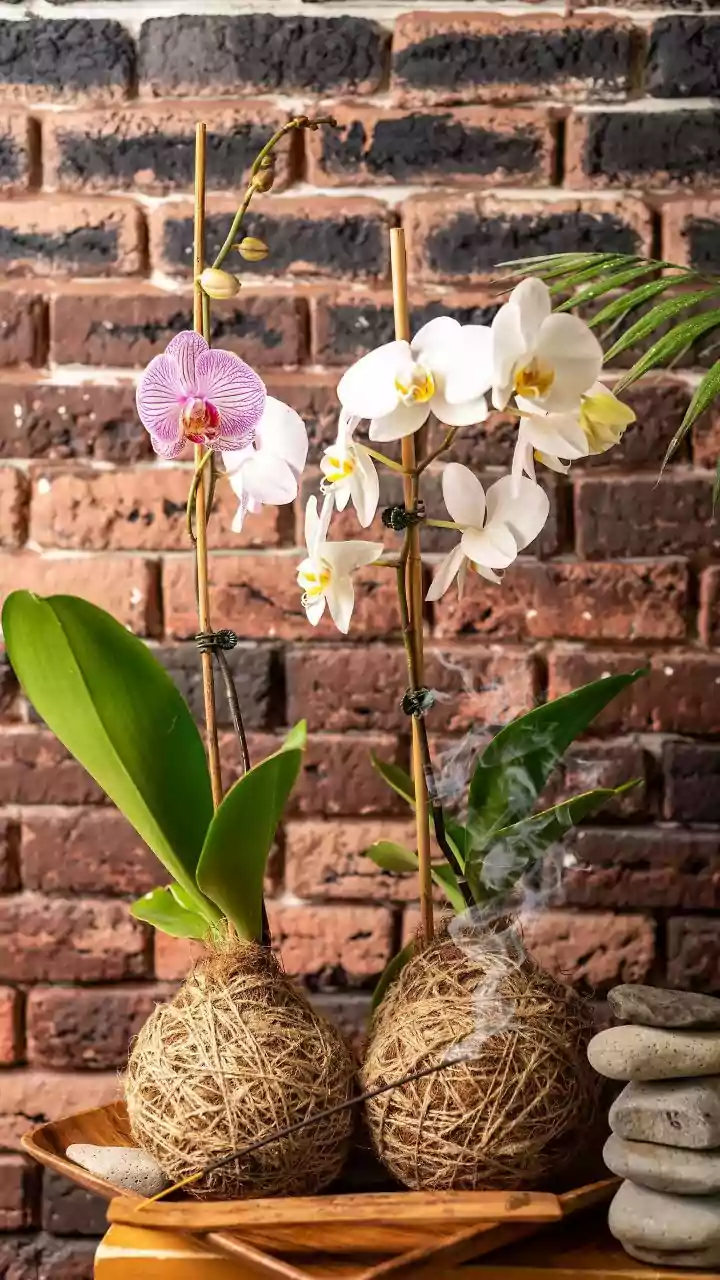
A truly pet-friendly home is a safe one. This goes beyond simple pet-proofing. Start by assessing your home from their perspective. Are there dangling electrical cords they might chew on? Invest in cord concealers. Are your windows and balconies secure? Install grilles or sturdy nets. Many common houseplants, like lilies and philodendrons, are toxic to pets. Opt for pet-safe greenery like areca palms, spider plants, or money plants. Also, consider air quality. Using air purifiers can help manage pet dander, benefitting both you and your animal, especially in smaller apartments. Choose non-toxic, pet-safe cleaning supplies to avoid exposing your companion to harsh chemicals.
Design a 'Paw-tility' Space
One of the most transformative additions to a pet-friendly home is a dedicated washing and utility area. This can be a small zone in a bathroom, balcony, or utility room. A low-level shower head or a large, deep sink makes washing muddy paws after a walk a breeze. Install durable, water-resistant wall tiling and flooring in this area. Add hooks for leashes and towels, and shelves or cabinets for storing pet food, grooming supplies, and medications. This 'paw-tility' station consolidates the messiest aspects of pet ownership into one easy-to-clean, organised space, keeping the rest of your home pristine.