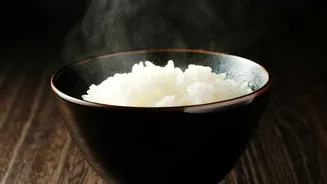


The Common Rice Conundrum
We’ve all been there. You follow a recipe for biryani or a simple side of steamed rice to the letter, yet the results are frustratingly inconsistent. One day, the grains are perfectly distinct; the next, they are a sticky, gummy mess. Or worse, the bottom
is burnt while the top is undercooked. You might blame the age of the rice, the heat of your stove, or even the humidity. While these factors play a role, the most significant variable that home cooks often overlook is the water absorbed during soaking. Soaking is a non-negotiable step for many traditional rice dishes, especially with long-grain varieties like Basmati, as it ensures even cooking and a better texture. However, this pre-hydration is precisely where inconsistency sneaks in.
Why Soaking Changes Everything
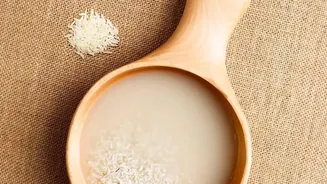
When you soak rice, it doesn't just get wet; it actively absorbs water. This process, known as hydration, begins to soften the grain and kickstarts the cooking process before any heat is applied. Soaking allows the grains to cook more evenly, preventing a situation where the outside is mushy while the inside remains hard. It also shortens the overall cooking time. The problem is that the amount of water absorbed isn't constant. It depends on how long you soak the rice, the temperature of the water, and the specific type and age of the rice. A 20-minute soak will result in less water absorption than a 40-minute soak. This means that if your recipe calls for a 1:2 rice-to-water ratio based on dry rice, that ratio becomes inaccurate the moment you soak it.
The Myth of the Fixed Ratio
Many recipes call for a fixed ratio, like one part rice to two parts water. This is a great starting point for unsoaked rice, but it becomes a game of chance with soaked rice. If you use the same amount of water for rice that has been soaked, you are effectively adding too much liquid, leading to a soft, overcooked result. The key scientific process at play is starch gelatinization—the transformation of hard, raw starch granules into soft, digestible ones when heated with water. To achieve perfect gelatinization, you need a precise amount of water. Too much, and the rice structure breaks down into mush. Too little, and you get crunchy, undercooked centres. The water absorbed during soaking is water that doesn't need to be in the pot, but how much is that? Instead of guessing, there's a better way.
A Foolproof Method for Consistency
To eliminate the variable of water absorption, you need to stop measuring based on the dry rice and start measuring based on the soaked rice. This ensures you are always starting with a known quantity. Here’s the method: First, measure your dry rice by volume (e.g., 1 cup) and rinse it thoroughly until the water runs clear. This removes excess surface starch that causes gumminess. Next, soak the rice for your desired time, typically 20-30 minutes for Basmati. After soaking, drain the rice completely in a fine-mesh sieve. Now, for the crucial step: measure the volume of your soaked and drained rice. That 1 cup of dry rice may now measure closer to 1.5 cups. Finally, add your cooking water based on this new volume. For soaked Basmati, a 1:1 ratio (1.5 cups of water for 1.5 cups of soaked rice) is a reliable starting point for achieving separate, fluffy grains. This method works because it accounts for the water already inside the grain, ensuring the total water-to-rice solids ratio is consistent every single time.
Adapting for Different Grains
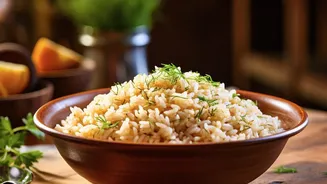
This principle of measuring after soaking can be adapted for various types of rice popular in Indian households. Different rice varieties have different starch compositions and absorb water differently. Sona Masuri, for example, is a medium-grain rice that might require a slightly different soaked-rice-to-water ratio than long-grain Basmati. Brown rice, with its outer bran layer intact, requires a longer soaking time (several hours or overnight) and more water to cook properly. The best approach is to use this measurement method as your new baseline. Start with a 1:1 ratio for your soaked rice and adjust in small increments in subsequent attempts. Keep a note of what works for your favourite rice, in your pot, on your stove. This methodical approach transforms cooking rice from a guessing game into a repeatable skill.