






What Is a Calm Cue?
A calm cue is a deliberately created trigger that you associate with a state of peace and relaxation. Think of it as a form of classical conditioning for your own well-being. It could be a physical gesture, like touching your thumb and index finger together,
a silent word you repeat in your mind, or even a specific scent. This cue, once established, acts as a signal to your nervous system. It’s an invitation to pause, breathe, and shift out of a rising state of stress or anxiety. It's not a magic spell, but a trained response that you consciously build, giving you a powerful tool to navigate overwhelming moments.
Why Preparation Is Everything
The key part of the phrase is “before it is needed.” When you are in the thick of a stressful situation, your body’s fight-or-flight response takes over. Adrenaline and cortisol flood your system, your heart rate increases, and rational thought becomes difficult. Trying to find a new calming strategy in that state is like trying to learn to swim during a flood. It’s nearly impossible. By practising your calm cue when you are already relaxed, you are building a neurological pathway. You are teaching your brain and body, “When this cue happens, we feel safe and calm.” This proactive training ensures the tool is sharp and ready when you eventually need to use it.
Step 1: Choose Your Cue
The first step is to select a cue that is right for you. The most effective cues are unique and discreet, allowing you to use them anywhere without drawing attention. A physical cue, known as an anchor in some practices, is often very effective. Consider pressing your thumbnail into your forefinger, placing a hand on your heart, or gently touching your wrist. Alternatively, you could choose a verbal cue, a single word like “settle,” “calm,” or “breathe” that you say silently to yourself. The important thing is that the cue is simple, easy to perform, and doesn't already have a strong association with something else.
Step 2: Build the Association
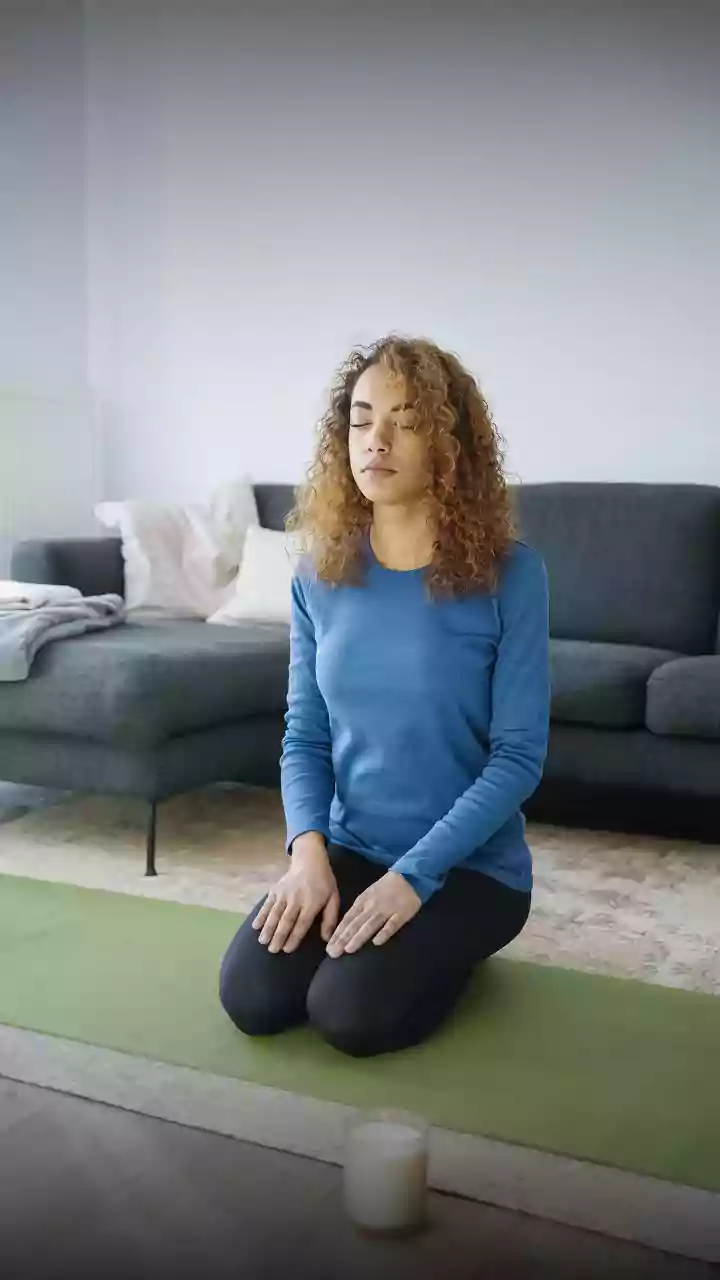
This is where practice comes in. You need to link your chosen cue to a genuine state of relaxation. Set aside five to ten minutes in a quiet space where you won't be disturbed. First, achieve a state of deep calm. You can do this through techniques like deep breathing, progressive muscle relaxation, or by vividly remembering a time and place where you felt completely at peace. Once you feel the peacefulness at its peak, introduce your cue. If it’s a physical touch, perform the action. If it’s a word, repeat it silently. Hold the cue for a few seconds while staying in that relaxed state. Then, release it. Repeat this process several times. For the connection to become strong, you need to practise this daily for a week or two.
Step 3: Use It in the Real World
Once you feel a strong connection between the cue and the feeling of calm during your practice sessions, it's time to start using it in your daily life. The goal is not to instantly erase all stress but to interrupt its upward spiral. The next time you feel a wave of frustration in traffic, anxiety before a meeting, or irritation bubbling up, deploy your cue. Take a breath and use your chosen touch or word. It provides a critical moment of pause, allowing your conscious mind to get back in the driver's seat. It gives you just enough space to choose a different response instead of reacting automatically. The more you use it, the more effective and automatic this healthy habit will become.