
Meet the Cruciferous Powerhouses
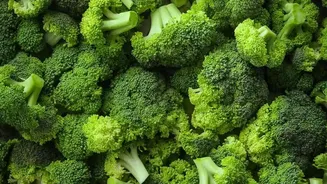
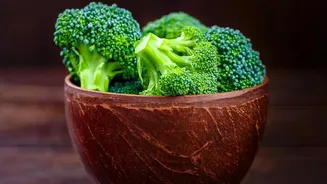
First, let's define our key players. Cruciferous vegetables belong to the Brassica family and are renowned for their impressive health credentials. This group includes popular choices in Indian kitchens and beyond, such as broccoli, cauliflower (gobi),
cabbage (patta gobhi), Brussels sprouts, and leafy greens like kale and bok choy. They are packed with fibre, essential vitamins, and unique compounds called glucosinolates. When chopped or chewed, these glucosinolates convert into potent substances like sulforaphane, which are celebrated for their antioxidant and anti-inflammatory properties. Getting the most out of these compounds is the ultimate goal when preparing these nutritional superstars.
Why Your Cooking Method Matters
The way you cook your food directly impacts its nutritional profile, especially with delicate vegetables. The three main factors that affect nutrient retention are temperature, cooking time, and the amount of water used. Many beneficial compounds in cruciferous vegetables are both water-soluble and heat-sensitive. This means they can easily leach out into cooking water or be destroyed by excessively high temperatures. Boiling is often the worst offender, as it can cause significant losses of key nutrients like vitamin C and glucosinolates, which simply wash away. While stir-frying is faster, the high, direct heat can also degrade these valuable, health-promoting compounds.
Steaming: The Undisputed Champion
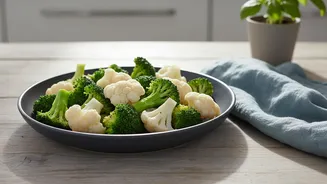
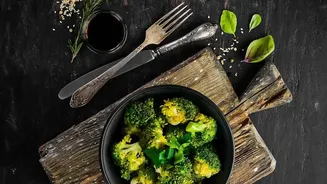
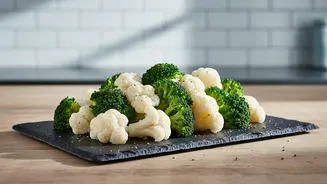
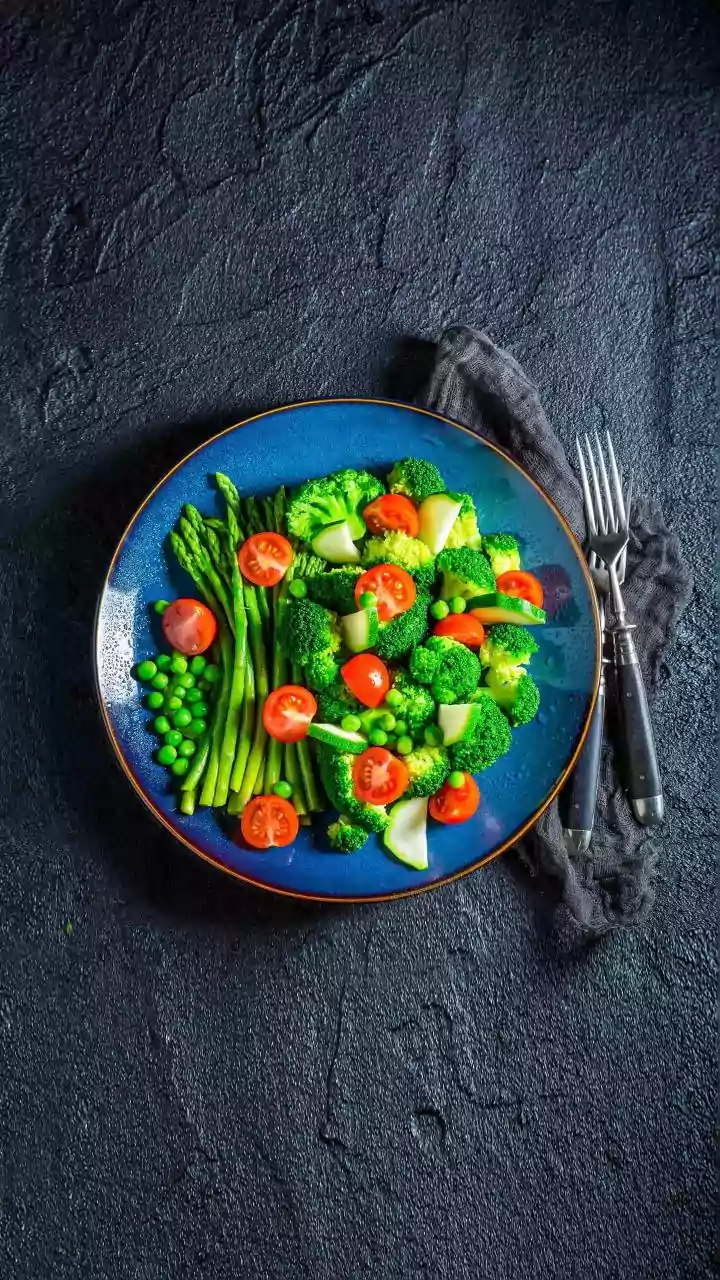
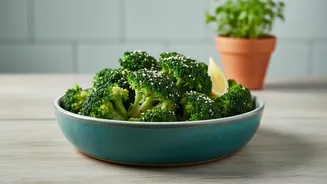
For cruciferous vegetables, steaming emerges as the superior cooking method for nutrient preservation. One study found that steaming broccoli was the only cooking method that didn't cause a significant loss of chlorophyll and vitamin C. In fact, steaming has been shown to be the best way to retain glucosinolates. Some studies have even found that steaming can increase the concentration of these cancer-fighting compounds compared to their raw state. Steaming uses gentle, moist heat to cook the vegetables without submerging them in water, thereby preventing the water-soluble vitamins from leaching out. It cooks them quickly enough to retain a pleasant, crisp texture while being gentle enough to protect their most sensitive nutrients. The result is a vegetable that is both delicious and nutritionally optimized.
The Problem with Stir-Frying
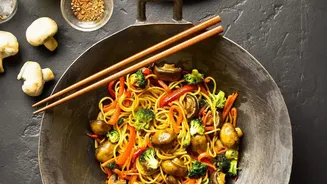
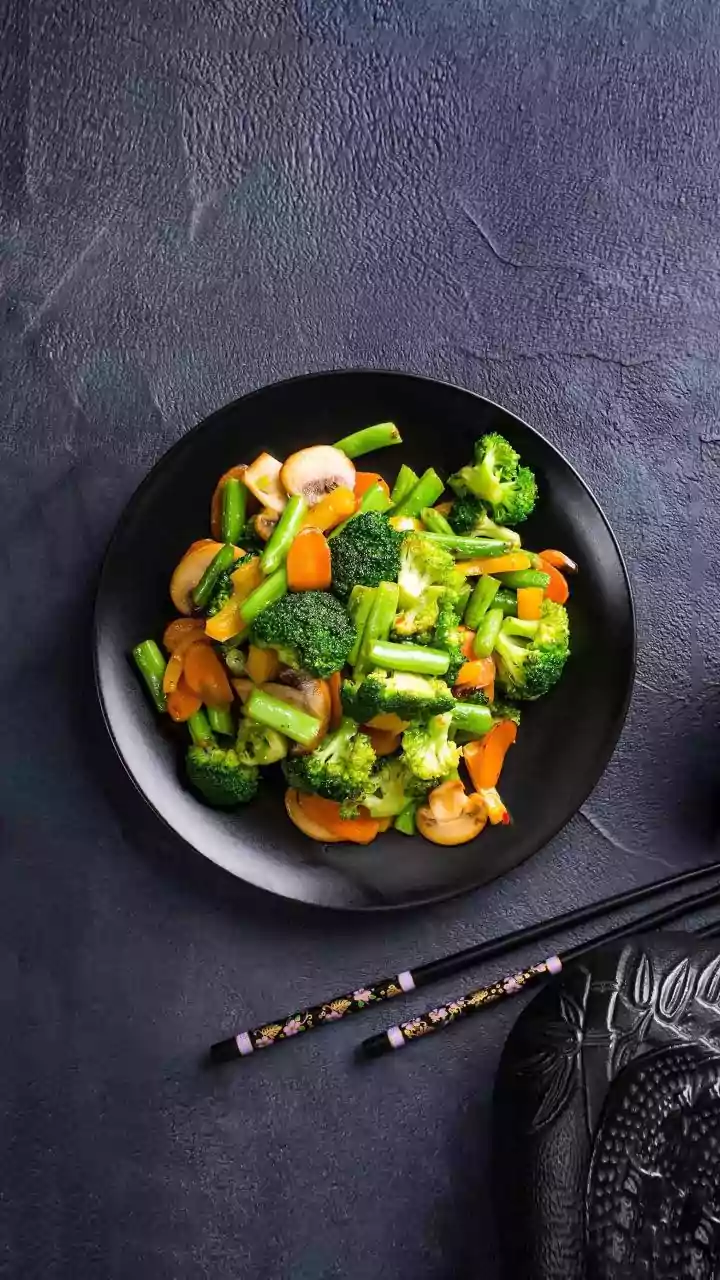
Stir-frying is a beloved and quick cooking technique, but it comes with a nutritional cost for these specific vegetables. The high heat of a wok can be detrimental to the very compounds that make cruciferous vegetables so healthy. Research has shown that stir-frying can lead to significant losses of glucosinolates and vitamin C. For example, one study noted that frying destroyed 84% of broccoli's glucosinolates. While this method is certainly better than boiling, it still can't compete with the gentle effectiveness of steaming. If you do choose to stir-fry, keeping the cooking time as short as possible can help mitigate some of the nutrient loss.
A Simple Guide to Perfect Steaming
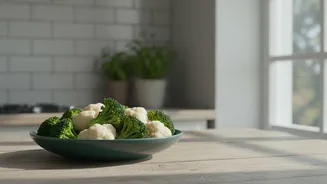
Adopting steaming is easy, even without special equipment. If you have a steamer basket, simply place it in a pot with about an inch of boiling water, making sure the water doesn't touch the bottom of the basket. Add your chopped vegetables, cover, and steam until tender-crisp. For broccoli or cauliflower florets, this usually takes just 3 to 5 minutes. If you don't have a basket, you can place a heat-proof metal colander in a large pot. Another trick is to add a small amount of water to a wide pan, bring it to a simmer, add your vegetables, and cover tightly. This effectively steams them in their own moisture. The key is to avoid overcooking; they should be bright, vibrant, and have a slight bite.