


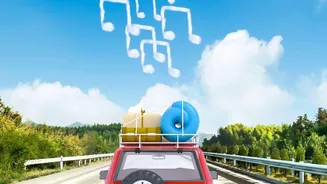

The great Indian annual vacation, a meticulously planned, long-drawn-out affair, is getting a rethink. Urbanites are increasingly trading it for something more immediate: the quick, spontaneous getaway to a destination just a drive away.
The New Economics of Escape
One of the most
significant drivers of this shift is simple economics. In an era of rising costs, the financial commitment of a ten-day holiday can be daunting. Flights, multiple hotel bookings, and extended itineraries add up. In contrast, a two or three-day road trip presents a more budget-friendly alternative. With a shorter duration, expenses on accommodation and activities are naturally lower. This 'micro-vacation' model allows for more frequent breaks throughout the year without the financial strain of a single, large expenditure. It makes travel less of a once-a-year luxury and more of a regular, accessible part of life. Many are also choosing to travel within the country to manage costs, which has given a boost to domestic tourism.
Time-Poor but Experience-Hungry
Urban professionals are often rich in ambition but poor in time. The demanding nature of city careers makes taking long stretches of leave difficult. However, the desire to escape the daily grind and prevent burnout is stronger than ever. Short, frequent trips have become the perfect solution. They fit neatly into a long weekend, requiring minimal time off from work. This trend has been further accelerated by the rise of flexible and remote work arrangements, which allow employees to blend work and leisure. A professional might leave for a nearby hill station on a Friday evening, work remotely for a few hours, and still enjoy a full weekend of rest and recreation before driving back.
The Joy of Spontaneity
Traditional vacations often involve months of planning, from booking tickets and hotels to creating detailed itineraries. The modern urban traveller, particularly the younger generation, is increasingly moving away from this rigidity. There is a growing preference for spontaneity and flexibility. Drive-to destinations enable last-minute decisions. You can wake up on a Friday, check the weather, and decide to head out of the city on a whim. This impulsiveness is a luxury in a structured urban life and provides a powerful sense of freedom. According to recent travel reports, a significant number of young travellers now book their trips within days or weeks of departure, a pattern that perfectly suits the road trip model.
Better Roads, More Options
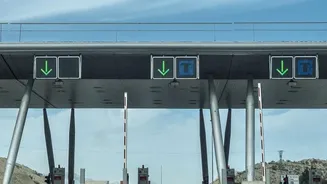
This travel trend would not be possible without tangible improvements in infrastructure. India's expanding network of highways and expressways has drastically cut down travel time to destinations that were once considered remote. A journey that might have taken a whole day a decade ago can now be completed in a few hours. This improved connectivity has also spurred the growth of boutique hotels, homestays, and high-quality resorts in areas surrounding major metropolitan hubs like Delhi, Mumbai, and Bangalore. Travellers are no longer limited to major tourist cities; they now have a wide array of choices for a quiet, comfortable, and restorative weekend escape, from the hills of Lonavala and Kasauli to the coasts of Alibaug and Puducherry.
A Shift in Travel Philosophy
Beyond the practical considerations, there is a deeper philosophical shift at play. Many travellers are moving away from 'checklist tourism'—the rush to see as many sights as possible. Instead, there is a growing desire for slower, more immersive experiences. The goal is no longer just to 'see' a place, but to 'feel' it. This includes disconnecting from screens, enjoying nature, and spending quality time with companions. Short getaways, by their very nature, encourage a slower pace. Instead of a packed itinerary, the focus is on relaxation and connection, making the journey itself a core part of the experience rather than just a means to an end.