





The Science of the Midnight Munchies
Those late-night urges aren't just a matter of willpower; they're often driven by biology and psychology. Your body's internal clock, or circadian rhythm, influences hunger hormones. In the evening, levels of ghrelin (the hunger hormone) can rise, while
leptin (the fullness hormone) may dip, making you feel hungrier. Furthermore, studies suggest the brain's reward system responds differently at night, meaning food may not feel as satisfying, prompting you to eat more to get the same pleasure spike. Other major factors include not eating enough during the day, which causes your body to demand a catch-up on calories, and emotional triggers like stress or boredom, which become louder when the day's distractions fade.
Why Your Usual Go-To Snacks Fail You
Reaching for a bag of chips, a tub of ice cream, or leftover mithai might feel comforting in the moment, but these choices often backfire. Snacks high in refined carbohydrates and sugar can cause a sharp spike in blood sugar, followed by a crash. This not only disrupts your sleep quality but can also lead to a cycle of more cravings. While these foods provide a quick dopamine hit to the brain, they don't resolve the underlying emotional or physical need. Over time, this habit can contribute to weight management issues and create an unhealthy dependence on food for emotional comfort.
Embrace Protein for Lasting Fullness
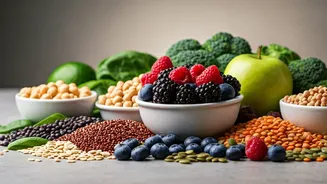
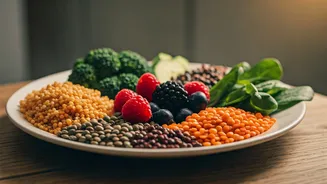
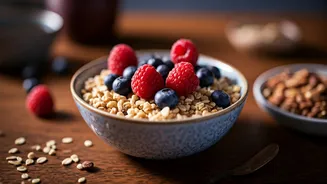
Instead of empty calories, opt for a snack rich in protein. Protein digests slowly, which helps stabilize blood sugar and keeps you feeling full and satisfied for longer, preventing wake-ups from hunger. A small bowl of Greek yogurt, perhaps topped with a few berries, is an excellent choice. It provides casein protein, which is absorbed slowly. Other great options include a handful of roasted chana (Bengal gram), which is a protein powerhouse common in Indian households, or a few cubes of paneer. These choices provide sustained energy without the sugar rush.
Choose Complex Carbs and Healthy Fats
If you're craving something more substantial, a combination of complex carbohydrates and healthy fats is the way to go. This pairing helps promote the production of serotonin, a chemical that can have a calming effect before bed. Consider a small apple with a tablespoon of peanut butter, a few whole-grain crackers with hummus, or a slice of whole-wheat toast with avocado. Even a small portion of vegetable poha or upma can be a comforting and balanced choice that won't leave you feeling overly full.
Satisfy Your Sweet Tooth Naturally
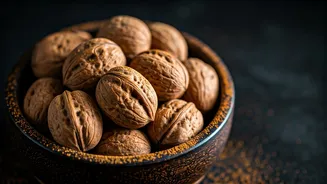
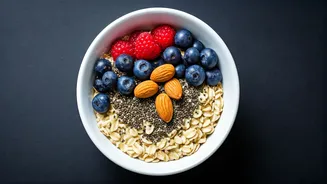
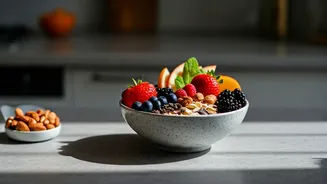
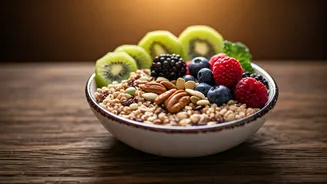
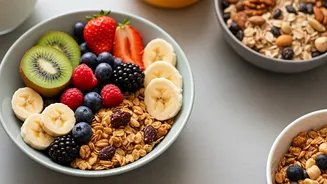
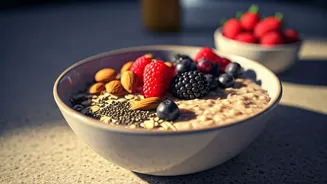
When a sugar craving strikes, you don't have to ignore it completely—just make a smarter swap. A small bowl of fruit like berries, kiwi, or a banana can provide natural sweetness along with fibre, vitamins, and minerals that aid sleep, like magnesium and potassium. A handful of nuts like almonds or walnuts not only adds a satisfying crunch but also contains melatonin, a hormone that helps regulate sleep. For a truly decadent-feeling treat, try freezing banana slices and blending them into a creamy 'nice' cream. It hits the spot without the added sugars of traditional ice cream.
Rethink Your Drink
Sometimes, our bodies mistake thirst for hunger. Before reaching for a snack, try drinking a large glass of water. If you're still feeling peckish, a warm, caffeine-free drink can be incredibly soothing and create a sense of fullness. A cup of chamomile, peppermint, or fennel (saunf) tea can help you wind down and satisfy the oral fixation of snacking. A glass of warm milk is another classic choice, as it contains tryptophan, an amino acid that can help promote sleep. This simple switch can become a calming part of your nightly routine.