






A Paradise Under Pressure
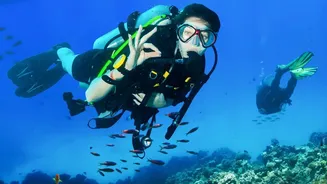
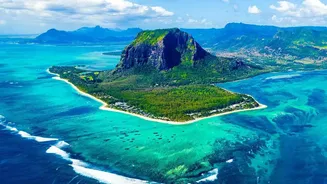
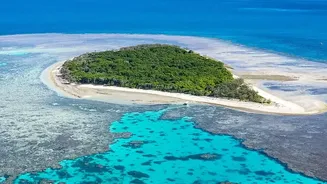
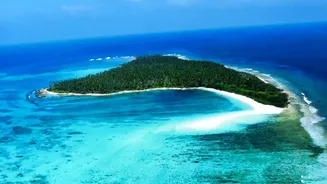
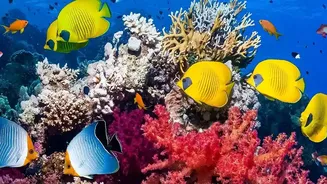
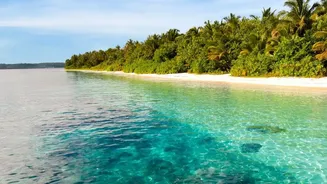
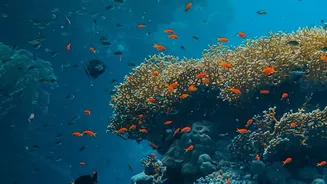
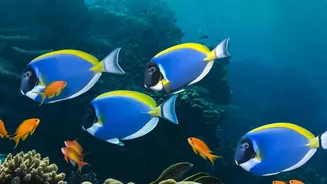
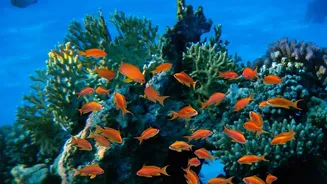
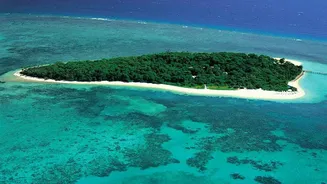
Imagine an archipelago of 36 coral islands, with sun-drenched beaches and water so clear you can see the teeming marine life below. This is Lakshadweep, India's smallest Union Territory and one of its most ecologically sensitive regions. The atolls, coral reefs,
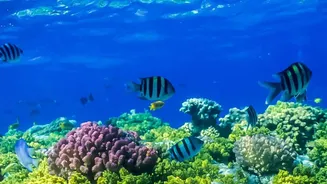
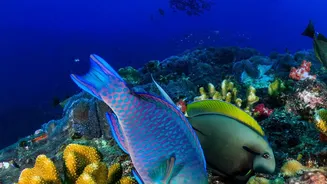
and seagrass beds are not just beautiful; they form a complex ecosystem that is incredibly fragile. This unique environment faces threats from climate change, which causes coral bleaching, and more recently, from a sharp increase in tourism. While tourism brings economic benefits, unregulated activity can cause immense harm through pollution, physical damage to corals from boats and tourists, and over-extraction of resources.
The New Rules for Responsible Travel
To counter these threats, the Lakshadweep administration has reinforced a framework of sustainable tourism. The core idea is to control the impact of visitors to ensure the environment is not overwhelmed. Key among these measures is the continued requirement for entry permits for all non-islanders, which helps manage the number of visitors. While the process was simplified in early 2026 to remove the need for a local sponsor, visitors must still specify which islands they plan to visit and stick to their approved itinerary. Furthermore, there is a complete ban on single-use plastics, and visitors are strongly encouraged to carry reusable alternatives. Strict guidelines on waste management, including for solid waste and e-waste generated by tourist facilities, are also in effect, as mandated by the National Green Tribunal.
Why These Measures Are Critical
The science behind these regulations is clear. Coral reefs are living organisms highly sensitive to their environment. Rising sea temperatures have already caused significant bleaching events in the region, weakening the reefs. Unregulated tourism adds another layer of stress. Pollutants from sources like untreated sewage, fuel spills, and even non-reef-safe sunscreens can poison the delicate coral polyps. Physical damage from boat anchors being dropped on reefs or tourists accidentally touching or stepping on coral can break structures that took centuries to grow. By limiting visitor numbers and enforcing strict rules on pollution and behaviour, the guidelines aim to give the marine ecosystem the breathing room it needs to survive and recover.
Balancing a Fragile Economy and Ecology
For the local community, which has traditionally relied on fishing and coconut cultivation, tourism offers a vital source of income. The new guidelines are not designed to halt tourism, but to shift it towards a more sustainable, high-value model. This approach involves promoting eco-friendly resorts that use solar power and rainwater harvesting, and encouraging community participation in conservation efforts. The administration and local conservation groups are also working to educate both tourists and residents about the importance of preserving the marine environment. By ensuring the long-term health of the reefs and lagoons, these measures also secure the future of the local tourism economy that depends on them.
A Potential Blueprint for India's Coasts
Lakshadweep's proactive approach of capping visitor numbers and enforcing strict environmental conduct could serve as a valuable model for other ecologically sensitive coastal regions in India. Destinations like the Andaman and Nicobar Islands, as well as parts of the country's mainland coastline, face similar pressures from growing tourism. The National Green Tribunal's directive that all tourism activities must stay within the islands' "carrying capacity" is a landmark principle. It emphasizes that economic development cannot come at the cost of ecological collapse. By proving that a balance is possible, Lakshadweep could pioneer a path for responsible tourism that protects India’s natural heritage while still allowing people to experience its beauty.