




The End of ‘Who’s Taking Notes?’
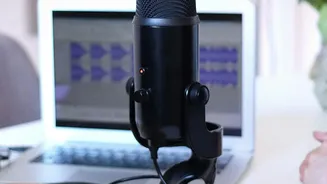
The core function of an AI meeting assistant is to automate the administrative tasks that distract participants from the conversation itself. Instead of one person being designated the reluctant scribe, these tools join a virtual meeting as a participant,
listening to and transcribing the entire discussion in real time. Using advanced speech recognition, they can distinguish between different speakers, creating a clean, legible record of who said what. This alone frees up team members to focus on the substance of the discussion—problem-solving, brainstorming, and making decisions—rather than frantically trying to capture every word. The result is a complete, searchable transcript that serves as the foundation for everything that follows.
From Spoken Words to Actionable Tasks
A transcript is useful, but the real magic happens when AI analyzes the text to identify commitments. Using Natural Language Processing (NLP), these tools are trained to recognize the language of action. Phrases like “I’ll get that done by Friday,” “Riya will follow up with the client,” or “We need to decide on the budget next week” are flagged as potential action items. The AI doesn't just identify the task; it also attempts to assign an owner and a deadline based on the context of the conversation. It understands that “I will” refers to the current speaker, while a direct mention assigns responsibility to a colleague. This process transforms a fluid conversation into a structured list of concrete tasks, bridging the gap between discussion and execution.
The Ripple Effect of Accountability
Once the meeting ends, the AI assistant generates a concise summary, key takeaways, and that all-important list of action items. This summary is automatically distributed to all participants, ensuring everyone is on the same page. This simple act of distributing a clear, agreed-upon record dramatically increases accountability. There's no more debating over who was supposed to handle a task, as the commitment is tied directly back to the transcript. Many of these tools integrate with project management platforms like Jira, Asana, or Slack, automatically converting action items from the meeting into tasks on a project board. This seamless workflow ensures that decisions made in a meeting flow directly into the spaces where work actually happens, accelerating project momentum.
Human Oversight Is Still Key
While powerful, these AI tools are not infallible. They should be seen as assistants, not autonomous decision-makers. AI can still make mistakes, such as misattributing a speaker or misinterpreting a nuanced phrase. For this reason, human review remains a critical step. Before a summary and action list are finalized, a team member—often the meeting host—should quickly review the AI's output for accuracy. This “human-in-the-loop” approach ensures that context is correctly applied and prevents misunderstandings before they spread. It's also important to be transparent with all participants that a meeting is being recorded and transcribed, as this is a legal requirement in many regions and a matter of ethical practice.