





Why Less Is More
The single most important shift in monsoon grocery habits is moving from bulk buying to frequent, smaller purchases. High humidity is the primary enemy, as it creates the perfect breeding ground for mould and bacteria, accelerating food spoilage. Items
that are perfectly fine in other seasons can turn bad quickly. Leafy greens, dairy, and even dry spices are susceptible. By buying only what you need for a few days, you drastically reduce the chance of food waste and potential health risks from consuming contaminated food. This approach ensures that your kitchen is stocked with the freshest possible ingredients, minimising the impact of the damp environment.
Navigating the Vegetable Aisle
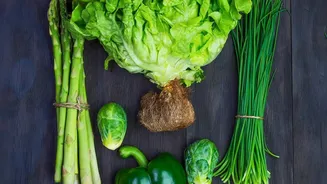
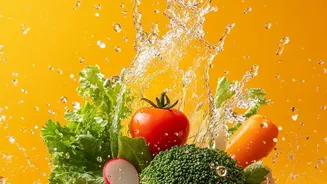
Vegetables are particularly vulnerable during the monsoon. Leafy greens like spinach and coriander are notorious for wilting and rotting quickly. Buy them in very small bunches, wash them thoroughly, pat them completely dry, and store them wrapped in paper towels inside your refrigerator to absorb excess moisture. It's wiser to focus on more robust seasonal vegetables like gourds (bottle gourd, bitter gourd), pumpkins, and root vegetables like potatoes and onions, which have a longer shelf life. Even with these, inspect for any signs of decay and store them in a cool, dry place away from direct contact with floors.
Protecting Your Pantry Staples
Your dry goods are not safe from the monsoon's dampness. Flours, pulses, sugar, and spices can absorb moisture, leading to clumping and infestation. Instead of large sacks of flour or rice, opt for smaller, freshly milled packets. Transfer all dry goods into airtight glass or steel containers immediately after purchase. For spices, buying them whole instead of powdered helps retain their flavour and potency longer. A useful trick is to lightly roast items like rava (semolina) or flour before storing to remove any existing moisture, extending their shelf life significantly. Adding a few bay leaves or dried neem leaves to your containers of lentils and pulses can also help deter pests.
Choosing Fruits Wisely
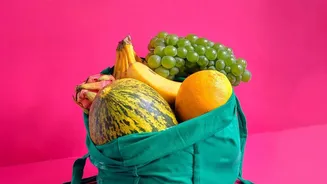
Just like vegetables, fruits are prone to quicker spoilage. Focus on seasonal fruits such as jamun, plums, cherries, peaches, and pomegranates. It is crucial to avoid pre-cut fruits sold by street vendors, as they are highly susceptible to contamination. Wash all fruits thoroughly under running water just before you intend to eat them, not before storing, as leftover moisture can encourage mould growth. Store them in breathable bags in the refrigerator to ensure good air circulation. Buying fruits every two to three days is a much safer bet than a large weekly haul.
Handling Dairy and Meats with Care
Milk, curd, cheese, fresh meats, and fish are high-risk items during the monsoon due to their high perishability. The combination of heat and humidity means bacteria can multiply rapidly. It is essential to buy these items in small quantities for immediate or same-day use. Ensure you purchase them from trusted, hygienic sources and refrigerate them promptly. When storing in the fridge, keep raw meat and eggs separate from other foods to prevent cross-contamination. If you buy meat in a larger quantity, divide it into smaller portions and freeze what you won't use within 24 hours.