


Gear Up for the Weather
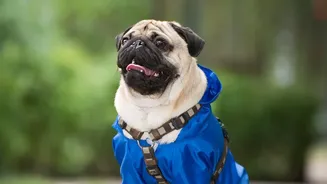
The first line of defence is proper rain gear. A well-fitting, waterproof raincoat can keep your dog’s core dry, which is crucial for preventing chills and skin issues. For breeds with thick coats, staying dry is even more important as trapped moisture
can lead to fungal and bacterial infections. Consider dog booties as well. They not only keep paws clean but also protect them from sharp debris hidden in puddles and harmful bacteria in contaminated water. If your dog isn’t comfortable with boots, focus on a thorough paw cleaning routine post-walk.
Master the Post-Walk Paw Clean
Paws are the primary point of contact with wet, muddy, and potentially contaminated surfaces. After every single walk, a paw-cleaning session is non-negotiable. Use a soft towel and lukewarm water to gently wipe down each paw, paying close attention to the spaces between the toes where mud and moisture collect. For a deeper clean, a gentle, antiseptic paw wash can be used. Thoroughly drying the paws is the most critical step to prevent fungal infections, which thrive in damp conditions.
Watch Out for Waterborne Diseases
Stagnant water is one of the biggest dangers during the monsoon. Puddles can be teeming with harmful bacteria, most notably Leptospira, which causes leptospirosis—a serious disease that can lead to kidney and liver failure and can also be transmitted to humans. The bacteria enter through contact with contaminated water, especially if a dog has a small cut or wound. Never allow your dog to drink from puddles or walk through waterlogged areas if it can be avoided. Always carry fresh drinking water for them, and ensure their annual vaccinations, including the one for leptospirosis, are up to date.
Step Up Your Pest Defence
The high humidity of the monsoon creates a perfect breeding ground for ticks and fleas, and infestations peak during these months. These parasites are not just a nuisance; they can transmit dangerous diseases like tick fever (Ehrlichiosis and Babesiosis), which can be fatal if not treated promptly. It is crucial to be consistent with your vet-recommended monthly tick and flea prevention treatment. After every walk, conduct a thorough check of your dog’s body for ticks, paying special attention to areas around the ears, neck, armpits, and between the toes.
Prevent Skin and Ear Infections
Damp fur is a primary cause of skin problems in the monsoon. If not dried properly, the moisture trapped in a dog’s coat can lead to painful hot spots (acute moist dermatitis) and fungal or yeast infections, which cause constant itching and smelly skin. After any exposure to rain, towel-dry your dog thoroughly, using a hairdryer on a low, cool setting for long-haired breeds if they tolerate it. Ears are also highly susceptible to infections as moisture gets trapped in the ear canal. Use a vet-approved ear cleaning solution weekly to keep the canals dry and clean.
Ensure Visibility and Choose Routes Wisely
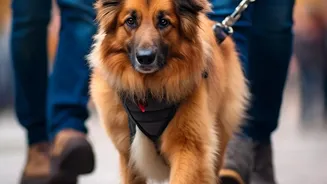
Overcast skies and heavy rain reduce visibility, making walks more hazardous, especially near traffic. Use a reflective collar, leash, or vest to ensure your dog is easily seen by drivers. It’s also wise to wear bright or reflective clothing yourself. When planning your route, stick to well-lit paths and avoid areas prone to waterlogging or with heavy traffic. A car splashing through a puddle can not only drench your dog but also startle them, so try to walk with your dog on the inside of the pavement, away from the road.
Manage Thunderstorm Anxiety
The loud cracks of thunder and flashes of lightning during monsoon storms can be extremely stressful for many dogs. If a storm is forecasted, it's best to keep walks short and finish before it hits. At home, create a safe, cosy den for your pet to retreat to. Closing windows and playing some soft music can help muffle the noise. Offering comfort and distraction with their favourite toy or a treat can help alleviate their anxiety. Your calm presence is reassuring, as pets often mirror their owner’s mood.