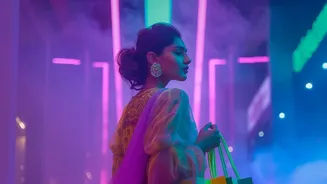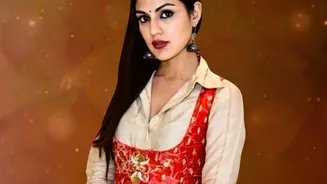

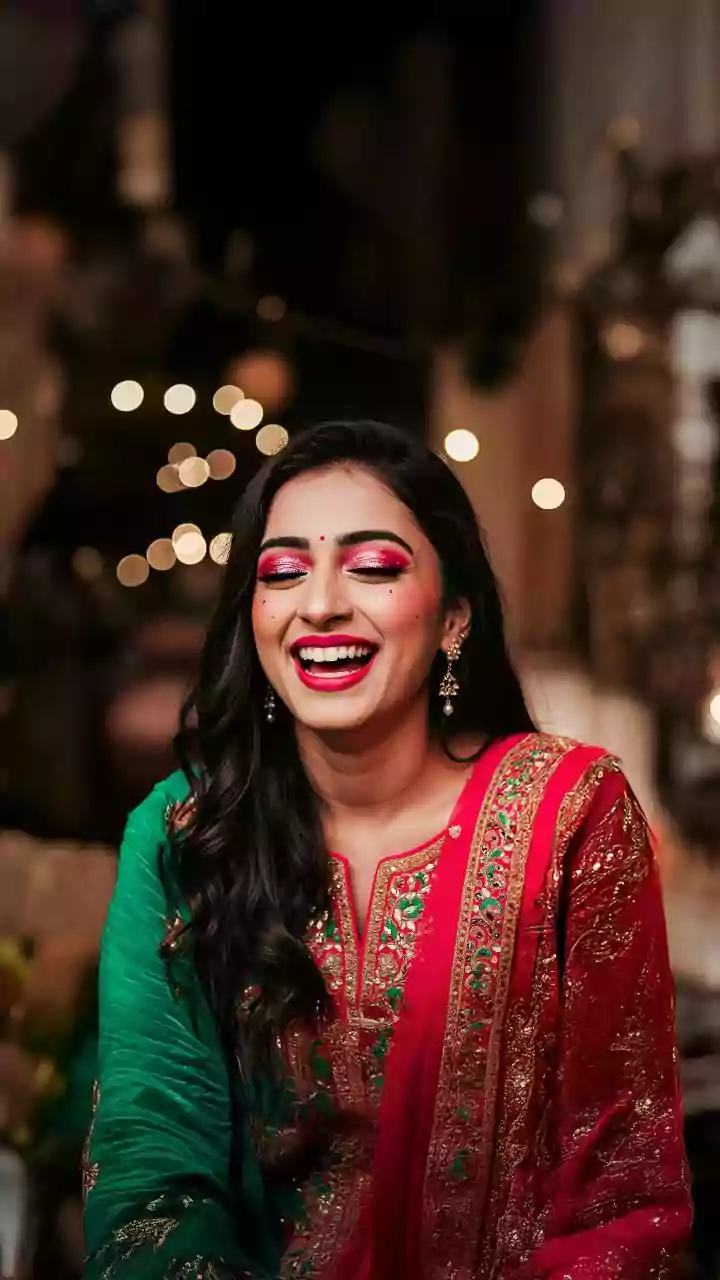
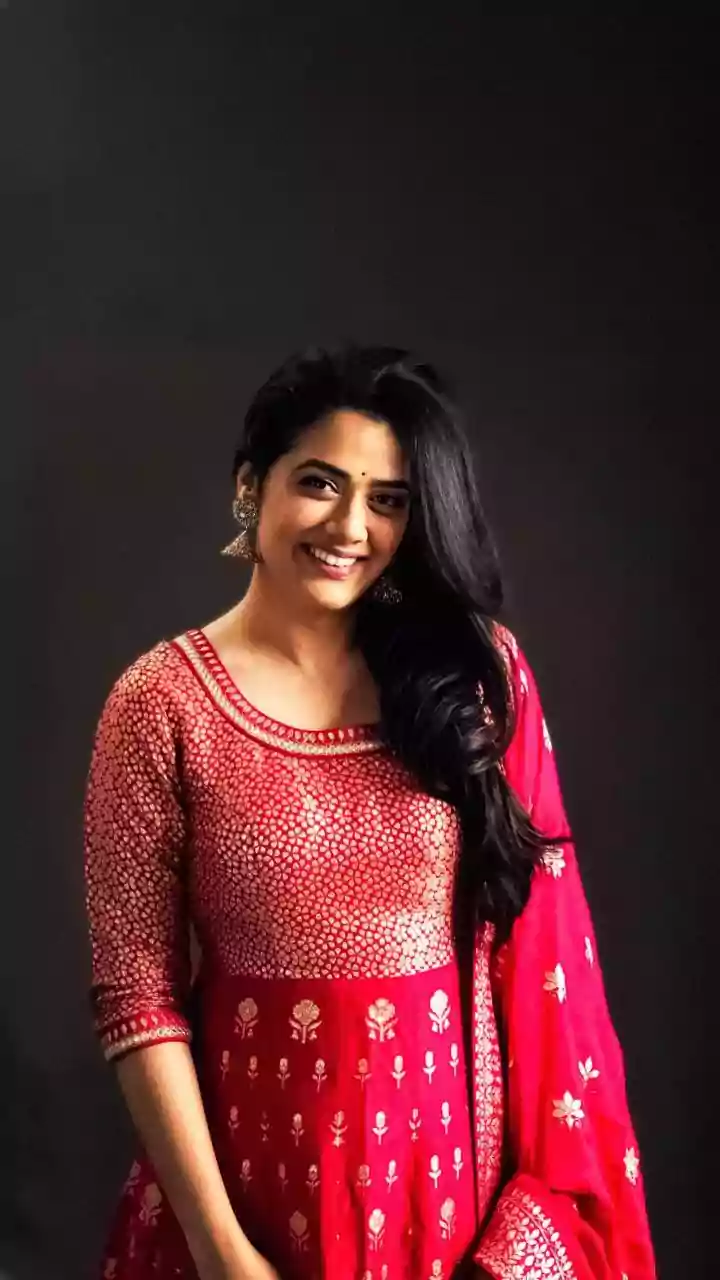
A New Chapter for Festive Fashion
For nine nights, fashion becomes a form of celebration, with traditional chaniya cholis, radiant colours, and sparkling mirror work defining the visual landscape. But in 2026, a growing number of young fashion enthusiasts are looking past brand-new ensembles.
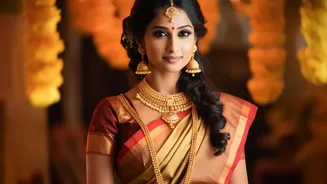
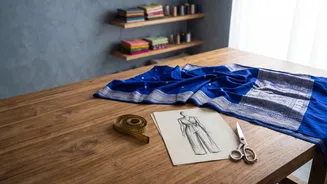
Instead, they are turning to their own closets and family heirlooms to create one-of-a-kind outfits. The trend involves creatively repurposing and restyling older garments—transforming a mother's old silk saree into a chic co-ord set, pairing a grandmother's vintage ghagra with a modern crop top, or giving a faded kurta a new life with fresh embroidery. This approach is less about saving money and more about crafting a personal style statement that is both unique and deeply meaningful.
The Drive for Individuality and Sustainability
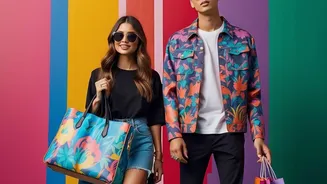
This shift is driven by two powerful motivators: a desire for authenticity and a growing consciousness around sustainability. In a world of mass-produced fashion, wearing a repurposed piece ensures that no one else at the Garba will have the same outfit. It’s a quiet rebellion against fast fashion, allowing individuals to express their personal story. Gen Z shoppers, in particular, are leading this charge, using social media platforms like Instagram and Pinterest to find inspiration for upcycling everything from old sarees to denim. Simultaneously, there's an increasing awareness of fashion's environmental impact. Choosing to re-wear and restyle is a deliberate, eco-conscious decision. Brands focusing on upcycling textile waste and using organic, handloom fabrics are also gaining traction among this demographic.
How the Look Comes Together
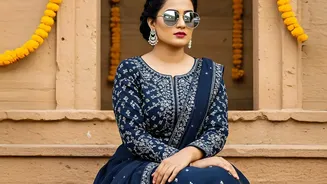
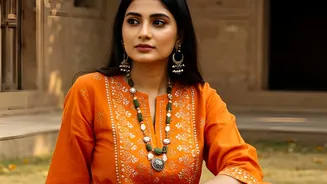
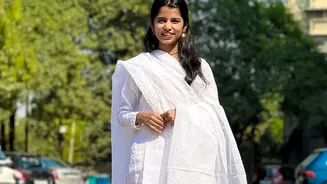
The magic of this trend lies in the art of the mix. It's about balancing the old with the new to create a look that feels both rooted and contemporary. A heavy, vintage Banarasi or Phulkari dupatta, for example, can be draped over a simple, modern kurta and palazzo pants to instantly elevate the outfit. An old embroidered blouse might be paired with a new, lightweight skirt. Accessories play a crucial role in tying it all together; classic oxidised silver jewellery, colourful bangles, and embroidered juttis are favourites for completing the look. The key is to blend textures, eras, and silhouettes—a vintage textile's rich history combined with a modern cut's clean lines creates a compelling visual narrative.
From Family Trunks to Digital Trends
What starts as a personal project often finds a wider audience online. Young creators are documenting their upcycling journeys, sharing DIY videos and styling reels that inspire thousands of others. A video showing how to turn an old net saree into a contemporary wrap-around skirt and a matching dupatta can go viral, sparking a wave of similar creative endeavours. This digital validation has transformed a niche practice into a mainstream movement. It proves that heritage textiles and heirloom pieces are not just relics to be stored away but are living fabrics meant to be worn, loved, and reimagined for a new generation. This fusion of personal history and public expression is redefining what it means to be stylish during India's most vibrant festival.