







The Real Power of Five Minutes
Let's be clear: a five-minute daily stretch is not a replacement for a comprehensive workout. It won't build significant muscle or cardiovascular endurance. However, its power lies in consistency. Research shows that frequency often trumps duration when
it comes to flexibility. A short, daily session is significantly more effective for improving range of motion than one long, weekly session. Think of it as a small deposit into your health account every single day. This micro-habit can combat the stiffness from sitting at a desk, sleeping in a curled position, or general inactivity. It increases blood flow, delivers oxygen to your muscles and brain, and can even offer a moment of mental calm, helping to reduce stress. Over time, these small sessions make daily movements like tying your shoes or reaching for a high shelf feel easier.
Dynamic vs. Static: The Right Stretch at the Right Time
Not all stretches are created equal, and timing is everything. The two main categories are dynamic and static stretching. Dynamic stretching involves active, controlled movements that take your joints through a full range of motion, like arm circles or leg swings. This type is ideal for a morning routine or a warm-up before exercise because it increases blood flow, raises body temperature, and prepares muscles for activity. It essentially rehearses the movements your body is about to perform. Static stretching is what most people picture: holding a stretch in a still position for a period of time, typically 30 seconds or more. This is best reserved for after a workout or as a separate session to improve long-term flexibility and help muscles relax. Performing long static stretches before an explosive workout can actually temporarily decrease power and performance. For a five-minute routine, a dynamic approach is great for starting your day, while a static one works well to wind down in the evening.
Building an Effective Five-Minute Routine
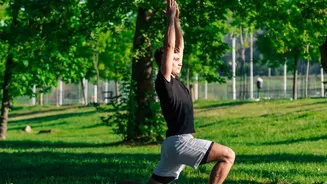
A good five-minute routine should be simple and target major muscle groups that get tight from daily life. Focus on the hips, hamstrings, back, shoulders, and chest. You don't need any equipment, just a little space. A balanced routine could include a few key movements. For a morning warm-up, try a minute of 'Cat-Cow' to mobilise the spine, followed by 'World's Greatest Stretch' (a deep lunge with a torso twist) for 30 seconds on each side to open the hips and upper back. Finish with some leg swings and arm circles. For an evening cool-down, a 'Child's Pose' can release lower back tension, a 'Seated Forward Fold' can target hamstrings, and a doorway chest stretch can counteract slouching. The key is to listen to your body; a stretch should create a feeling of gentle tension, not sharp pain.
The Perspective: Where It Fits In
The ultimate value of a five-minute stretch is its role as a sustainable habit. For those with busy schedules, chronic illness, or who feel overwhelmed by longer workouts, these 'exercise snacks' are a gateway to more consistent movement. Studies confirm that accumulating exercise in short bursts throughout the day provides significant health benefits, improving everything from blood pressure to mood. A five-minute stretch isn't the whole meal, but it's a valuable and nourishing snack. It keeps your joints lubricated, your muscles pliable, and reinforces the daily habit of caring for your body. It won't get you a six-pack or prepare you for a marathon, but it will improve your quality of life by making movement feel better day to day. It’s the small, consistent actions that often lead to the biggest long-term health gains.