



More Than Just a Condiment
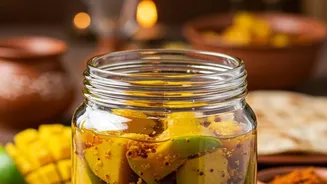
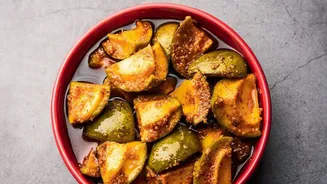
For centuries, Indian meals have been complemented by a small serving of achar. Far from being a simple flavour enhancer, this practice is rooted in ancient food science. Traditional Indian pickles are not just preserved vegetables; they are living foods
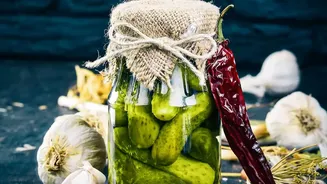
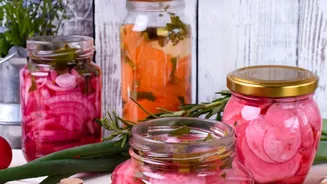
created through a meticulous, time-honoured process of natural fermentation. Unlike many Western pickles that are preserved in vinegar, authentic Indian pickles leverage a combination of salt, spices, oil, and the power of the sun to transform raw ingredients into a potent digestive aid. This tradition, passed down through generations, recognised that pickling did more than just extend the life of seasonal produce—it fundamentally enhanced its nutritional value.
The Science of Lacto-Fermentation
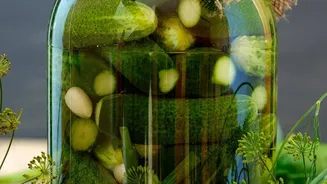
The magic behind traditional Indian pickles lies in lacto-fermentation. This natural process begins when vegetables or fruits are submerged in a salt brine. The salt inhibits the growth of harmful bacteria while allowing beneficial bacteria, particularly from the Lactobacillus family, to thrive. These friendly microbes consume the natural sugars in the ingredients and produce lactic acid. This lactic acid not only acts as a natural preservative, giving the pickle its characteristic tangy flavour, but also creates an environment rich in probiotics—the live microorganisms crucial for a healthy gut. The entire process, often aided by the slow warmth of the sun, turns a simple mango, lemon, or carrot into a probiotic powerhouse.
A Boost for Your Gut Microbiome
Often called our 'second brain', the gut microbiome influences everything from digestion to immunity. The probiotics delivered by fermented pickles are vital for maintaining a healthy balance of gut flora. These beneficial bacteria help break down complex foods more efficiently, which can reduce common digestive issues like bloating, gas, and indigestion. Furthermore, a healthy gut lining enhanced by probiotics improves the absorption of essential nutrients from all the foods you eat. Studies have even shown that regularly consuming naturally fermented foods can significantly increase the diversity of the gut microbiome, which is a key indicator of overall digestive health.
Spices and Oils: A Supporting Role
The complex spice blends in Indian pickles are chosen for more than just flavour; they play a synergistic role in digestion. Spices like fenugreek (methi), mustard seeds (rai), and asafoetida (hing) are renowned for their digestive properties. Mustard seeds and fenugreek stimulate digestive enzymes, while asafoetida is a well-known carminative that helps prevent gas. Turmeric, another common ingredient, offers powerful anti-inflammatory benefits. The oil used, often mustard oil, not only acts as a preservative but also has its own antibacterial properties that contribute to a healthy pickle and a happy gut.
Not All Pickles Are Created Equal
It is crucial to distinguish between traditionally fermented pickles and their modern, commercial counterparts. Most mass-produced pickles found on supermarket shelves are made using vinegar and are often pasteurised (heat-treated) to ensure a long, stable shelf life. This process, while effective for preservation, kills the live and beneficial probiotic bacteria that are the primary source of the digestive health benefits. So, while a vinegar-based pickle can add tang to your meal, it does not offer the same gut-supporting properties as a naturally fermented, unpasteurised achar. To reap the digestive rewards, seeking out homemade or traditionally prepared pickles is key.