






Why Humidity Puts Your Heart at Risk
When you exercise in a humid environment, your body struggles to cool itself down. Normally, sweat evaporates from your skin, releasing heat. But when the air is already saturated with moisture, this evaporation process slows dramatically. As a result,
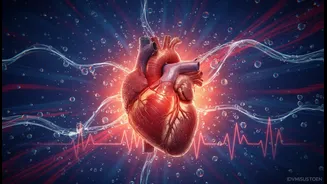
your body retains heat, and your core temperature rises. To compensate, your cardiovascular system goes into overdrive. Your heart is forced to pump faster and harder, sending more blood to the skin in an attempt to cool down. This dual demand—powering your muscles and trying to prevent overheating—places significant strain on your heart. For individuals with or without a known heart condition, this can increase the risk of dehydration, heat exhaustion, and other cardiovascular events.
Control Your Environment
The first step to a safer workout is managing the room itself. The ideal relative humidity for a home gym or exercise space is between 40% and 60%. Levels above 65-70% can significantly impede your body's ability to cool itself and can also promote mold growth. The best way to monitor this is with a simple digital hygrometer. If your indoor humidity is high, especially during muggy summer months, use an air conditioner or a dehumidifier to bring the levels down into the optimal range. Running the dehumidifier during your workout and for at least an hour afterward can help manage the moisture you release through breathing and sweat. Good air circulation from a fan is also crucial for aiding sweat evaporation.
Adjust Workout Intensity, Not Just Duration
On high-humidity days, your usual pace will feel much harder because your heart is already working overtime. Instead of pushing through to hit your normal numbers, focus on effort. This is not the time for a personal best. A smart modification is to reduce your intensity. If you're on a treadmill, lower your speed or reduce the incline. For stationary bikes and ellipticals, dial back the resistance. Consider an interval-based approach: shorter bursts of effort followed by longer recovery periods. This allows your heart rate to come down more frequently. The goal is to maintain consistency in your training, and that means prioritizing safety over ego and avoiding overexertion.
Hydration Becomes Non-Negotiable
Proper hydration is always important, but it's even more critical in humid conditions where you may sweat more heavily. Dehydration reduces your blood volume, making your blood thicker and forcing your heart to work even harder. Don't wait until you feel thirsty to drink, as thirst is often a late sign of dehydration. Start hydrating before your workout begins. Sip water continuously throughout your session. For workouts lasting longer than an hour, or if you are sweating profusely, consider an electrolyte-rich beverage to replace essential minerals like sodium and potassium lost through sweat.
Listen to Your Body's Warning Signs
Your body will give you signals when it's under too much strain. It's vital to recognize these warning signs and stop exercising immediately if you experience them. Symptoms of heat exhaustion and excessive heart strain include dizziness, lightheadedness, nausea, headache, muscle cramps, and excessive sweating accompanied by cold, clammy skin. A weak but rapid pulse is another key indicator. Never try to “push through” these symptoms. Confusingly, you might even experience chills as your body struggles to regulate its temperature. Paying attention to these signals is your best defense against a more serious medical event like heat stroke.