




A Quick Refresher on CAPSTONE
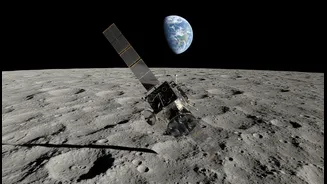
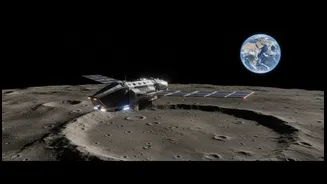
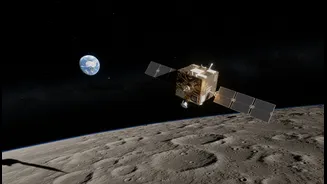
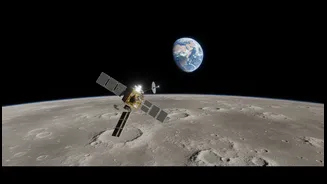
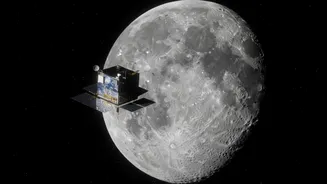
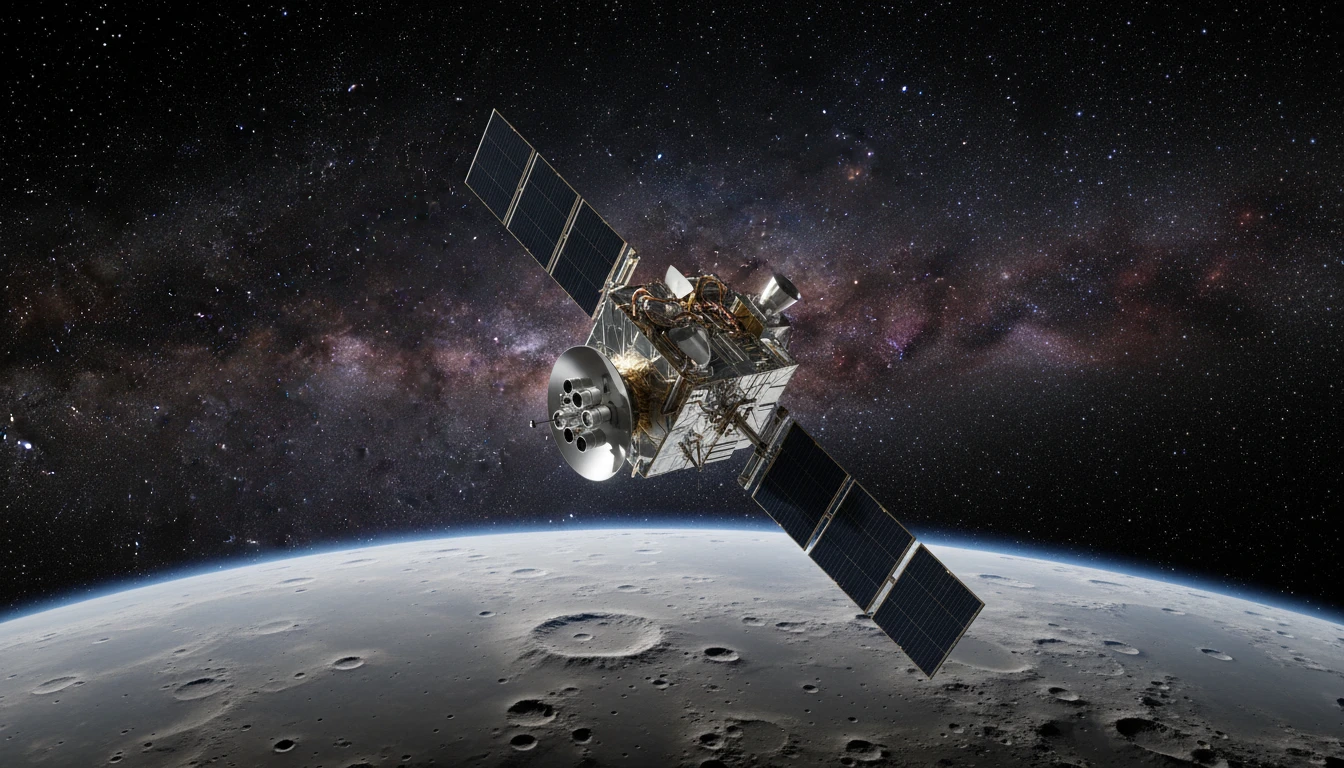
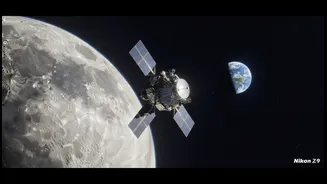
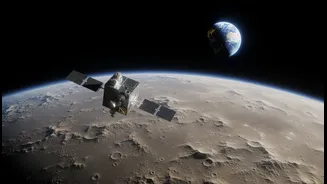
First, let's revisit what CAPSTONE is. Its full name is a mouthful: the Cislunar Autonomous Positioning System Technology Operations and Navigation Experiment. Weighing just 25 kilograms, the CubeSat was designed as a low-cost pathfinder. Its main goal
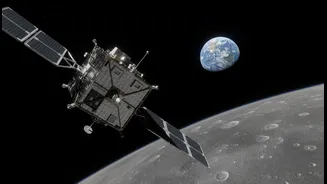
was to be the very first spacecraft to fly in a unique and promising path around the Moon called a Near-Rectilinear Halo Orbit, or NRHO. This highly elongated orbit was chosen for the planned Lunar Gateway space station because simulations showed it offered long-term stability using minimal fuel, thanks to a balancing act between the gravity of the Earth and the Moon. CAPSTONE’s job was to go there and prove the models were correct. A secondary, but equally important, objective was to test an autonomous navigation system that would allow spacecraft to determine their position by communicating with other lunar orbiters, like NASA's Lunar Reconnaissance Orbiter, without constantly relying on signals from Earth.
What Is New with the Mission?
As of mid-2026, there's a major update: NASA's official involvement with CAPSTONE has come to an end. In June 2026, the agency announced that the spacecraft had successfully completed all of its primary and extended mission objectives. After its initial six-month primary mission concluded in May 2023, its life was extended, turning the satellite into a versatile testbed in lunar orbit. During this extended phase, engineers demonstrated that they could upload new software and applications to the spacecraft's existing hardware. This transformed CAPSTONE into a flexible and cost-effective platform for testing advanced technologies, including autonomous guidance software and new networking protocols designed to handle the long communication delays in deep space. Although NASA's work is done, the spacecraft itself hasn't been decommissioned. Advanced Space, the private company that owns and operates it, will continue to use the satellite as a demonstration platform.
Why This Tiny Satellite Matters
CAPSTONE’s success, though quiet, is a significant milestone for the future of space exploration. First and foremost, it validated the stability of the NRHO. By flying in this orbit for years, it confirmed that NASA’s models for power and propulsion requirements were accurate, drastically reducing the risk and uncertainty for future missions. It also pioneered autonomous navigation technologies. Its ability to communicate with another spacecraft to determine its position is a critical step toward a future where lunar missions can operate with less dependence on Earth-based tracking. Furthermore, CAPSTONE proved that small, relatively affordable CubeSats can perform valuable, high-risk pathfinding work far from home. It overcame several in-flight challenges, including communication dropouts and a tricky valve issue, demonstrating the resilience of small satellite systems in the harsh deep-space environment. Its success lays a foundation for more commercial involvement in supporting complex lunar operations.
What Remains Unclear
Despite its many successes, the conclusion of CAPSTONE's mission leaves some significant open questions. The most pressing stems from a major shift in NASA's plans. The Lunar Gateway, the orbital station that was the primary reason for testing the NRHO, was reportedly cancelled in early 2026 as the agency shifted focus to developing a lunar surface base. So, while CAPSTONE proved the orbit is viable, it's no longer clear how this hard-won knowledge will be applied. The NRHO is still valuable for other potential orbital platforms or missions, but the main project it was meant to support is off the table. Another point of uncertainty is the satellite's next chapter. Advanced Space will continue operating CAPSTONE, but the specific future demonstrations it will perform are not yet fully detailed. Finally, while the mission collected a trove of data from its extended technology tests, the full impact of that information is yet to be seen. NASA will use the findings to inform future experiments, but the legacy of these tests will unfold over the coming years as new missions are designed.