





The Cold-Pressed Difference: More Than Just Oil
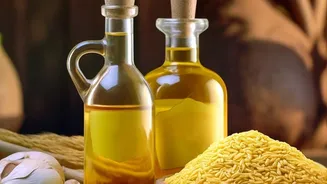
Before modern refining processes became common, oils in India were extracted using a traditional method called 'ghani'. This process involves crushing oilseeds at low temperatures without using chemicals or high heat. The result is cold-pressed oil—a
pure, unrefined liquid that retains its natural nutrients, aroma, and most importantly, its distinct flavour. Unlike refined oils, which are processed to be odourless and neutral, cold-pressed oils are active ingredients. They are packed with antioxidants, vitamins, and healthy fats like monounsaturated (MUFA) and polyunsaturated (PUFA) fatty acids, which are often stripped away during high-heat refining. This makes them not just a cooking medium, but a vital component that contributes character and nourishment to a dish.
Mustard Oil: The Pungent Soul of the North and East
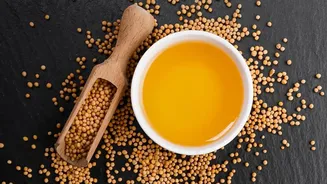
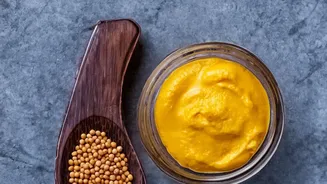
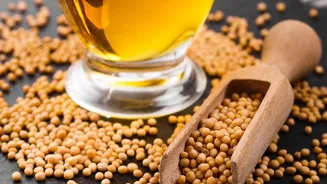
Known for its sharp, pungent aroma and fiery taste, cold-pressed mustard oil is the culinary backbone of states like Bengal, Bihar, Punjab, and Rajasthan. This oil’s bold character comes from a compound called allyl isothiocyanate, which gives it a flavour that is irreplaceable in certain dishes. In Bengali cuisine, it's the heart of classics like Shorshe Ilish (Hilsa fish in mustard gravy) and Aloo Posto, where its sharpness balances the other ingredients. In Punjab, it lends an earthy depth to Sarson da Saag. Beyond its strong flavour, mustard oil has a high smoke point, making it excellent for frying and tempering. It also boasts a favourable ratio of omega-6 to omega-3 fatty acids and has natural antimicrobial properties, which is why it has been a long-trusted oil for making pickles (achaar).
Sesame Oil: The Nutty Elixir of the South
Travel down to Southern India, particularly Tamil Nadu and Andhra Pradesh, and the air is often filled with the nutty fragrance of sesame oil, also known as gingelly or nalla ennai ('good oil'). With a rich, earthy flavour, cold-pressed sesame oil is a staple used for tempering spices for dishes like rasam and sambar. It is drizzled over idlis mixed with podi (spice powder) and is essential for making tamarind rice (pulihora). Its role isn’t just limited to flavour; sesame oil is rich in antioxidants like sesamol and sesamin, which are preserved in the cold-pressing process. It’s also a good source of Vitamin E, copper, zinc, and calcium. Its use is deeply embedded in the culture, valued for both its culinary and Ayurvedic properties that support everything from heart health to digestion.
Groundnut Oil: The Versatile Workhorse of the West
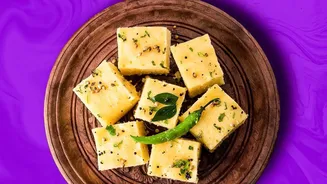
In the western states of Gujarat and Maharashtra, cold-pressed groundnut oil, or shengdana tel, is the traditional all-rounder. With a mild, slightly sweet and nutty flavour, it is versatile enough for everyday cooking without overpowering the dish. Its relatively high smoke point makes it perfect for deep-frying snacks like samosas, vada pav, and various farsan. Groundnut oil is the classic choice for tempering Gujarati dals and shaaks (vegetable dishes) and is essential for the Maharashtrian favourite, sabudana khichdi. Rich in heart-healthy monounsaturated fats and Vitamin E, this oil is prized for being a stable and reliable cooking medium. It carries the flavours of spices beautifully, making it a dependable foundation for a wide range of recipes.