
An Evening with the Planets
September is a fantastic month for planet-spotting. Venus will be a dazzling spectacle, reaching its peak brightness for the year on September 18. Look for this brilliant beacon low in the western sky just after sunset. You won't need a telescope to spot it,
as it's one of the easiest celestial objects to find, even in city lights. Early in the month, keep an eye on the pre-dawn eastern sky. On September 6 and 7, the crescent moon will have a close encounter with Mars. A day later, on September 8, the moon will meet up with Jupiter. Towards the end of the month, Saturn will be visible for most of the night, rising around sunset. For those with a powerful telescope, Neptune reaches its closest approach to Earth on September 25, appearing as a tiny blue dot.
The Moon's Monthly Dance
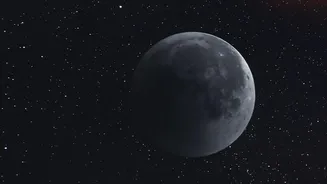
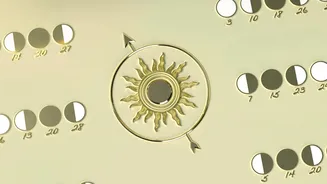
The moon itself offers a changing face throughout the month. The best time for deep-sky stargazing, when faint objects like galaxies and star clusters are most visible, will be around the New Moon on September 11. The dark, moonless nights are also the last best chance in the Northern Hemisphere to see the core of the Milky Way until next spring. On September 14, the waxing crescent moon will pass close to Venus, a beautiful sight just after sunset. The main lunar event is the Full Harvest Moon on September 26. This is the full moon closest to the autumnal equinox. Look for it as it rises around sunset, when it may appear larger and more orange due to an optical effect known as the moon illusion. Saturn will be a close companion to the full moon, trailing it across the night sky.
Welcome Autumn: The September Equinox
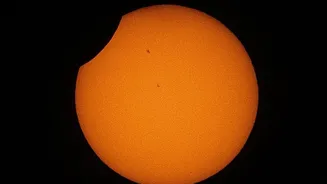
A key astronomical event this month is the autumnal equinox on September 23. On this day, the Sun shines directly on the equator, resulting in nearly equal hours of daylight and darkness across the globe. For those in the Northern Hemisphere, it marks the official start of autumn, while the Southern Hemisphere welcomes spring. This celestial alignment is more than just a calendar date; it can have a tangible effect. The period around the equinoxes is often linked to an increase in the activity of the aurora borealis, or Northern Lights, due to the way Earth's magnetic field aligns with the solar wind. While a trip to the high latitudes is necessary for a guaranteed show, it's a reminder of the dynamic forces at play.
Shooting Stars and Essential Tips
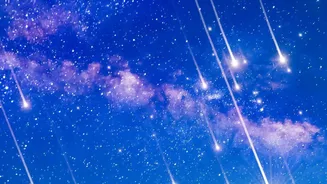
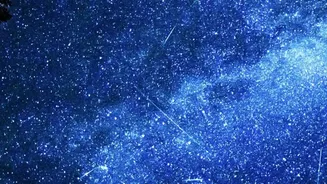
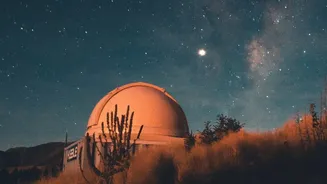
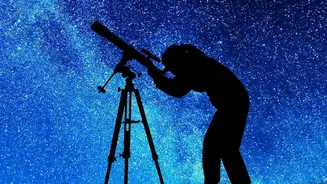
While September doesn't host any major meteor showers, a few minor ones are active. The September Epsilon Perseids peak around September 9-10 under favorable dark skies near the new moon. The Southern Taurids begin their long run on September 20, though their peak isn't until November. To make the most of any skywatching night, the right approach is key. First, find a location away from city lights. The darker the sky, the more you will see. Give your eyes at least 20 minutes to fully adapt to the darkness, avoiding looking at your bright phone screen. You don't need expensive equipment; many of September's highlights are visible to the naked eye. However, a pair of binoculars or a basic telescope will enhance your view of the planets and the moon's surface. Finally, be patient. Celestial events unfold slowly, and waiting for your eyes to adjust or for a patch of clouds to pass is part of the experience.