

1. The Bold, Solid Colour
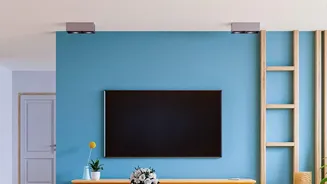
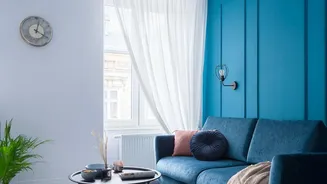
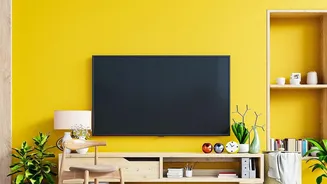
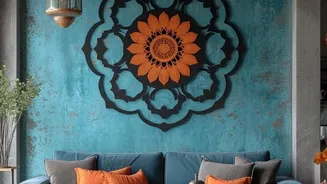
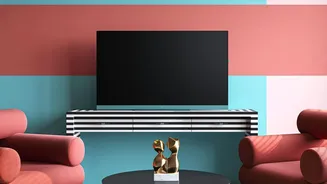
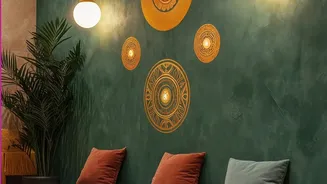
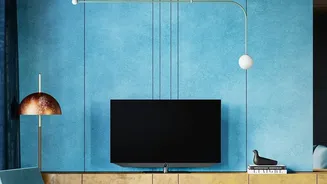
The simplest and most classic accent wall is a single, bold coat of paint. This technique is all about impact through contrast. If your room is painted in neutral shades like white, beige, or light grey, choosing one wall to douse in a deep, rich colour
creates instant drama and depth. In a living room, this is often the wall behind the main sofa; in a bedroom, it is the wall behind the headboard. Dark greens, charcoal greys, and deep blues can make a bedroom feel cosy and inviting. Warmer tones like terracotta or burnt orange are increasingly popular in living areas for the inviting energy they bring. The key to making a solid-colour accent wall work is to ensure it is the star of the show. Keep the other three walls in a quiet, neutral tone to let the accent colour anchor the room without creating a sense of chaos.
2. Natural Wood Panelling
Wood brings a warmth and texture to walls that paint simply cannot replicate. Wood panelling has evolved far beyond the old-fashioned styles of the past and now serves as a sophisticated element in modern Indian homes. Vertical wood slats or 'fluted' panels are a popular choice, creating a clean, contemporary look that also makes ceilings appear higher. These panels are particularly effective behind a TV console or sofa, as the texture adds dimension to an otherwise flat surface and can even help soften acoustics in rooms with hard flooring. For a more rustic or relaxed feel, horizontal planks or shiplap can be used. While real wood is beautiful, it can be susceptible to humidity. High-quality laminates, veneers, or WPC (Wood Plastic Composite) boards offer the same aesthetic with greater durability and less maintenance.
3. Textured Finishes
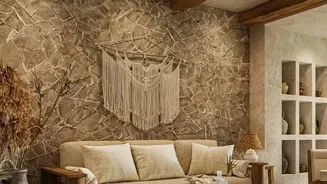
If you want to add depth that is as much about touch as it is about sight, a textured finish is an excellent choice. This goes beyond a simple paint job to create a tactile surface. Techniques like Venetian plaster, which involves applying pigmented limestone and marble dust, can create a smooth, stone-like finish with a subtle lustre. Other options include applying a lime or clay plaster, which gives a wall an organic, irregular surface that catches light beautifully throughout the day. For a more accessible DIY approach, embossed or 3D wallpapers can mimic these effects, offering patterns that look like plasterwork, sand swirls, or even fabric. In Indian homes, 3D panels made from PVC or MDF in geometric patterns like waves or diamonds are also a popular and affordable way to add a modern, tactile dimension.
4. Elegant Wallpaper or Murals
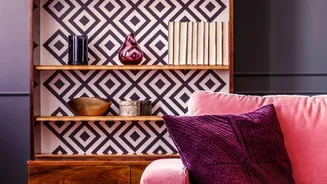
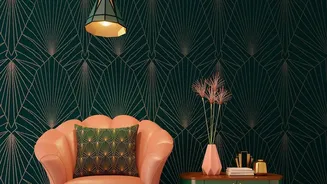
Wallpaper has made a major comeback, offering a world of intricate patterns, bold graphics, and stunning scenes that can turn a wall into a work of art. Modern wallpapers are a far cry from the dated florals of the past, with options ranging from sophisticated botanical prints to large-scale murals. Using wallpaper on a single accent wall prevents a bold pattern from overwhelming the space. It is particularly effective in smaller, defined areas like a powder room, the wall behind a bed, or a cosy breakfast nook. For those who are hesitant to commit, peel-and-stick wallpaper is a fantastic, renter-friendly option that allows for easy application and removal. A well-chosen wallpaper can tie together all the colours in your room, creating a cohesive and professionally designed look with minimal effort.
5. Geometric Shapes With Paint Or Tape
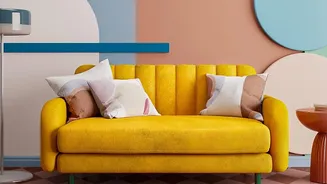
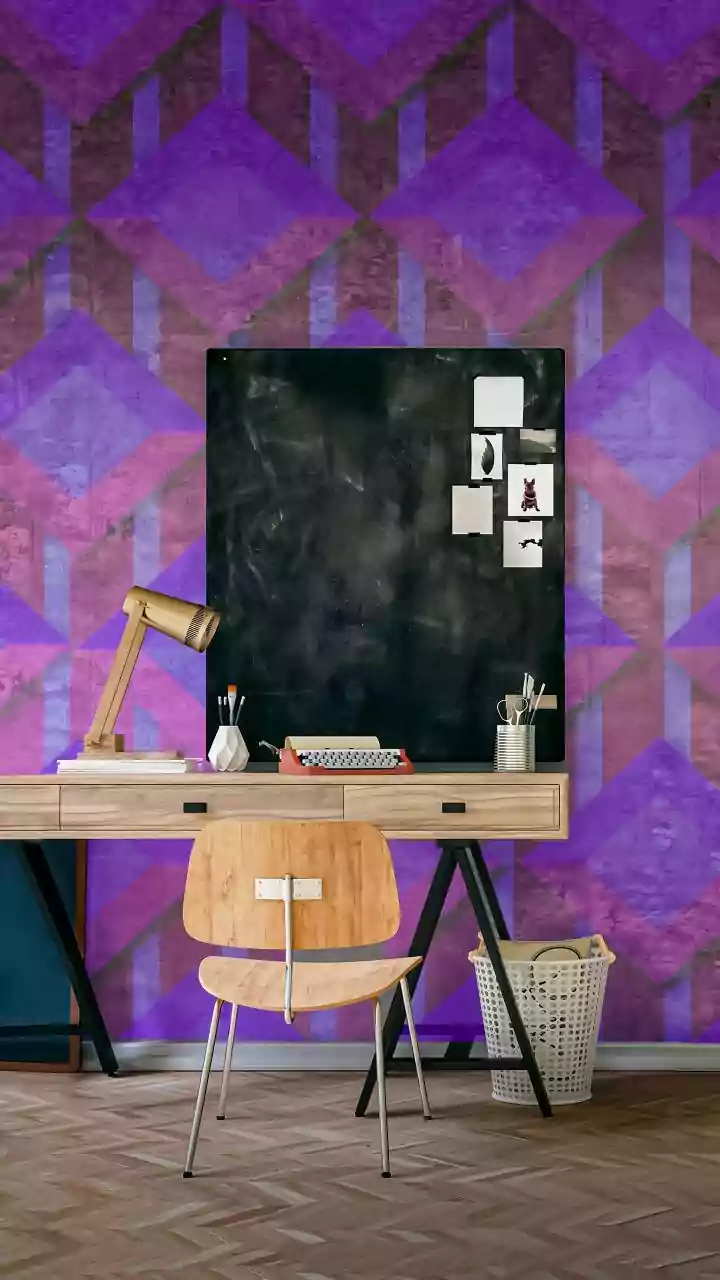
This is the main point: creating a stunning, modern, and completely custom accent wall is something anyone can do with a roll of tape and a few paint samples. A geometric design is bold, dynamic, and adds immense personality to a room for a fraction of the cost of other methods. The process is straightforward. First, start with a clean, prepped wall, which can be your base colour. Next comes the creative part: use high-quality painter's tape to mark out your design. You can create triangles, intersecting lines, diamonds, or a completely random pattern—there are no rules. Press the tape down firmly to prevent paint from bleeding underneath. A pro tip is to paint a thin coat of your base colour over the tape's edges to seal it before adding your accent colours. Once your tape grid is ready, paint inside the shapes you have created. You can use two, three, or even four different colours to create your pattern. Let each colour dry completely before you begin the final, most satisfying step: slowly peeling off the tape to reveal your crisp, clean lines. This method is perfect for anyone looking to make a big impact on a small budget.