



The Great Post-Pandemic Un-pausing
After years of screens and isolation, Indians are flocking to in-person events with a renewed sense of urgency. This isn't just about making up for lost time; it's a fundamental reset of priorities. [2, 5] The COVID-19 pandemic accelerated a move toward
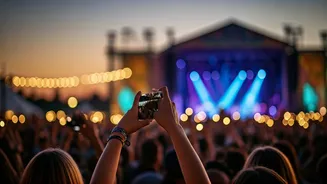
experiential consumption, as pent-up demand for social connection and real-world activities exploded. [5, 6] This collective desire to reconnect has transformed the live events industry into one of the fastest-growing segments of India's entire media and entertainment sector. [3, 8] In 2025, the organised live events segment grew by a staggering 44%, a clear signal that people are voting with their feet, choosing shared moments over solitary consumption. [8, 14]
From Owning to Experiencing
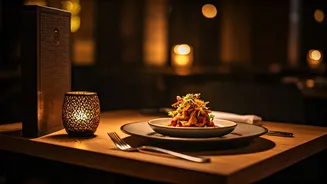
For a new generation of consumers, particularly Gen Z and millennials, social status is no longer defined by what you own, but by what you’ve done. [25] This demographic, which now makes up the largest consumer bloc, is driving a boom in the “experience economy.” [2] Projections show that household spending on experiences like travel, recreation, and cultural activities is set to grow faster than spending on physical goods through 2030. [2, 5, 6] The appeal lies in the unique, fleeting, and highly shareable nature of these events. A sold-out concert or an exclusive pop-up dinner provides social currency that a new gadget cannot. In a world saturated with digital content, these tangible experiences offer a sense of authenticity and community. [12, 26]
More Than Just Mega Concerts
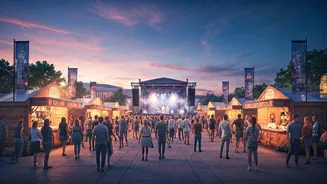
While international acts like Coldplay and festivals like Lollapalooza grab headlines for their massive economic impact and fan turnout, the trend runs much deeper. [4, 19] The real magic is also in the micro-experiences: the weekend food festival, the neighbourhood pop-up shop, and the intimate music gig. [13, 17] These smaller-scale events offer novelty and a sense of discovery without the high cost or commitment of a stadium tour. They provide a platform for local artists, chefs, and designers, fostering community at a grassroots level. [13] Brands have also taken note, increasingly using pop-ups and activations to create deeper, more memorable connections with customers than traditional advertising allows. [23]
The New Social and Economic Engine
The boom in live events is reshaping more than just our weekends; it’s a powerful economic force. Large-scale concerts are creating a new form of tourism, with fans travelling across states and boosting local economies. [20, 24] Reports show that for every hundred rupees spent on a concert ticket, several hundred more are spent on hotels, food, and transport. [15, 20] This ripple effect creates jobs and drives growth in allied industries. [3, 4] Moreover, this trend is no longer confined to metros. A surge in events in Tier-2 and Tier-3 cities shows a nationwide appetite for high-quality live experiences, positioning India as a top-five global live entertainment destination by 2030. [3, 15]