






The New Old-Fashioned Treat
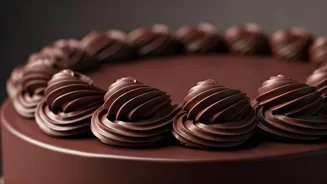
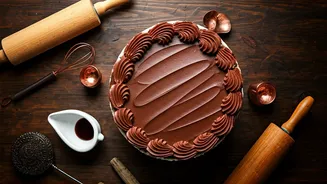
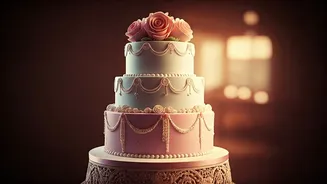
First, what exactly is a vintage cake? Forget the minimalist, clean lines that have dominated dessert trends for the past decade. Vintage cakes are an exercise in maximalism. They are defined by their over-the-top, ornate piping, often featuring intricate
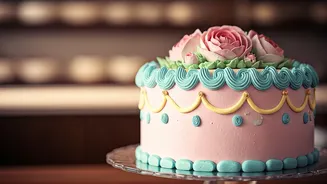
swirls, swags, ruffles, and shells made from buttercream or royal icing. This style, also known as the Lambeth method, dates back to 1930s Britain but has seen a massive resurgence, partly thanks to its popularity in South Korea, where bakers have modernized it with pastel palettes and whimsical, almost cartoonish, charm. The result is a confection that looks like it’s straight out of a storybook, often in romantic heart shapes and adorned with bows or cherries.
A Trend Baked for Instagram
A huge driver of this trend is, unsurprisingly, social media. The aesthetic is perfectly suited for platforms like Instagram and Pinterest, where visual appeal reigns supreme. For Gen Z and millennials in Delhi, a vintage cake is not just a dessert; it’s a centerpiece, a photo prop, and a statement piece. The trend took off in the last couple of years, with influencers and aesthetically-minded young people driving the demand for these photogenic treats for birthdays, anniversaries, and even 'just because' celebrations. Some bakeries in the NCR report receiving 10-15 orders for vintage cakes daily, a testament to their viral popularity.
A Slice of Nostalgic Comfort
Beyond the visuals, the appeal of vintage cakes is deeply emotional. They tap into a powerful sense of nostalgia, evoking the charm of old-school family celebrations and tea parties. For many, it’s a callback to the heavily decorated cream cakes of 1990s birthday parties in India. Interestingly, this nostalgia often isn't for a time the consumer actually experienced but for a romanticized, idealized version of the past. In a fast-paced world, the fussy, handmade quality of a vintage cake feels comforting and special, a tangible connection to a perceived simpler and more elegant time.
The Baker's Challenge: A Lost Art
Herein lies the problem for many bakeries. The skills required for intricate Lambeth-style piping are a specialized art form. For years, the trend was towards minimalist design, fondant work, and drip cakes. Consequently, many bakers and pastry chefs were not trained in these traditional, painstaking piping techniques. Mastering the pressure, consistency, and patterns needed for layered ruffles and shells takes significant time and practice. A single cake can take hours just to decorate. This creates a significant skill gap in the market, where the demand for this specific artistry is suddenly booming, but the number of artisans who can execute it flawlessly is limited.
The Economics of Intricate Icing
The other major hurdle is cost and time. The labour-intensive nature of vintage cakes makes them expensive to produce. While a customer might see a small cake, they may not appreciate the hours of meticulous piping work involved. This makes pricing a delicate balancing act for bakeries. Price them too high, and they risk alienating customers; price them too low, and they undervalue their bakers' skill and time, making them unprofitable. Commercial bakeries, which rely on speed and standardization, find it particularly difficult to incorporate these time-consuming, bespoke creations into their workflow compared to smaller home bakers who can specialize in this niche.
How the Delhi Scene Is Adapting
In Delhi, the trend has created a clear divide. Small, independent home bakers and boutique studios have been quick to adapt, building their brands on Instagram and catering directly to the demand for customized, aesthetically driven cakes. They are often more agile and can dedicate the required time to each creation. Larger, more established bakeries, even heritage ones famous for their old-world charm like Wenger's or Defence Bakery, have traditionally focused on different styles of classic confectionery. While many are now adding vintage designs to their menus, they must balance it with their existing production, which can be a challenge. The demand is pushing the entire industry to re-evaluate skills, training, and the value of true cake artistry.