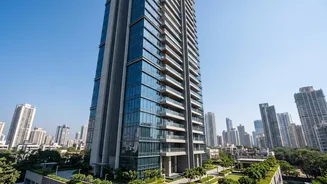







What 'Active Market' Really Means
The data confirms the headline: Mumbai's property market is indeed active. August 2026 saw over 12,500 property registrations, an 11% increase from the previous year and the highest for that month in over a decade. For the first eight months of 2026,
property registrations are up by nearly 7% compared to the same period in 2025. This sustained demand is driven by several factors, including major infrastructure upgrades, a growing preference for premium homes, and the city's fundamental land scarcity. However, this doesn't mean prices are skyrocketing uncontrollably. Price growth has been moderate, increasing about 4% year-on-year in the first half of 2026. This indicates a resilient, but not necessarily overheated, market where buyers are active but also discerning.
Start with a Financial Health Check
Before you even look at a property listing, the first step is to assess your own financial readiness. A home is the biggest purchase most people ever make, and the decision should be based on your stability, not market hype. Start by asking critical questions. Do you have a stable income stream? Have you saved enough for a down payment, which is typically 20% of the property’s value? And crucially, have you accounted for the hidden costs? These include stamp duty, registration charges, brokerage fees, and the cost of furnishing your new home, which can collectively add another 8-10% to the property price. A solid financial foundation is non-negotiable.
Decoding the Numbers: EMIs and Interest Rates
Your ability to comfortably pay the Equated Monthly Instalment (EMI) is the next hurdle. A common rule of thumb is that your total EMIs (for all loans, not just the home loan) should not exceed 40-50% of your take-home monthly salary. As of September 2026, home loan interest rates from major banks and housing finance companies are in a competitive range, starting from around 7.10% to 8.50% per annum for borrowers with good credit scores. A stable interest rate environment makes it a reasonable time to borrow, but remember that even a small difference in the interest rate can significantly impact your total repayment over a 20 or 30-year loan tenure.
Location, Connectivity, and the Future
In Mumbai, you don't just buy a flat; you buy into a location. The city's massive infrastructure overhaul—from new Metro lines to coastal roads—is reshaping connectivity and, with it, property values. Areas once considered too distant are now becoming viable residential hubs. When evaluating a property, look beyond the four walls. Is it close to your workplace? What is the quality of social infrastructure like schools and hospitals? Importantly, with redevelopment becoming a major source of new housing supply, many buyers are now able to access new homes in established, well-connected locations. These projects often offer a better lifestyle without the long wait for infrastructure to develop in peripheral areas.
The Classic Dilemma: Buy vs. Rent
The buy-versus-rent decision isn't just financial; it's also a lifestyle choice. Financially, you need to consider the rental yield, which is the annual rent you’d get from a property as a percentage of its value. Mumbai's rental yields are traditionally low, often between 2-3%. This means that purely from an investment perspective, renting might seem cheaper in the short term. However, buying offers forced savings, potential capital appreciation, and long-term security. Renting provides flexibility. If you are uncertain about your long-term plans or career location, renting might be a smarter move. If you are settled and plan to stay in the city for the long haul (at least 7-10 years), then buying can be a powerful wealth-creation tool.