






Embrace the Modular Method
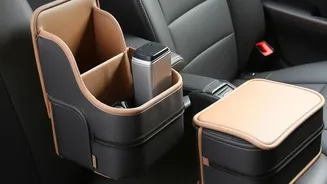
Instead of a messy pile of duffel bags and backpacks, think in compartments. Collapsible fabric bins or sturdy milk crates are game-changers. Designate one crate for snacks and drinks, another for shoes, and a third for shared items like speakers or games.
This modular approach not not only keeps things from rolling around but also makes finding items a breeze. When you arrive at your destination, you can simply lift out the relevant crate instead of digging through a mountain of luggage. For smaller cars common in metro cities, this system is particularly effective as it creates order in a tight space.
Think Vertically with Hanging Organisers
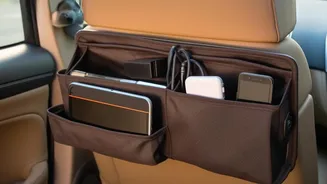
Most people forget about the vertical space in their trunk. A hanging organiser, typically one that straps to the back of the rear seat headrests, is a brilliant way to get smaller items off the floor. This frees up the entire base of your boot for larger bags. Use its pockets for things you might need quick access to, like a first-aid kit, charging cables, wet wipes, or a torch. By moving these essentials off the floor, you create a surprisingly large area for suitcases and weekend bags.
The Inverted Pyramid Packing Rule
The golden rule of packing a trunk is simple: heavy items go in first and at the bottom. Place your heaviest suitcases and bags deep inside, as close to the back seats as possible. This helps maintain the car's stability and centre of gravity, making for a safer drive. Lighter, softer items like jackets, pillows, or sleeping bags should go on top. These can be used to fill the awkward gaps and spaces between the hard-sided luggage, ensuring nothing shifts or slides during sharp turns or sudden braking.
Create a 'Go Box' for Essentials
Every car should have a dedicated 'Go Box' or emergency kit that lives in the trunk permanently. This small, contained box should hold everything you might need for a roadside issue or a minor inconvenience. Stock it with jumper cables, a tyre pressure gauge, a basic tool kit, a powerful flashlight, and a first-aid kit. Having these items in one designated spot means they never get mixed up with your trip luggage and are always accessible. It also prevents the classic scenario of having to unpack the entire trunk just to find the jumper cables.
Use Soft Bags and Compression Sacks
While hard-shell suitcases offer protection, they are rigid and create wasted space. For weekend trips, encourage friends to use soft-sided duffel bags or backpacks. These are more pliable and can be squeezed into irregular spaces. To take it a step further, use compression bags for clothing and other soft goods. These vacuum-sealed bags can reduce the volume of clothes by more than half, freeing up a significant amount of trunk real estate for other necessities or even souvenirs on the way back.
Don't Forget the Hidden Spaces
Almost every car has underutilised storage areas. The most common one is the space around the spare tyre. Lift the floor panel of your boot, and you'll likely find empty pockets perfect for stashing items you rarely need but should always have. Things like a rain poncho, work gloves, or emergency blankets can be wrapped and tucked securely in this area. It keeps them out of the way but ensures they are there when you need them, freeing up the main compartment for the luggage you'll actually use during your trip.