





The Rise of the 'Healthy' Dessert
Walk down any supermarket aisle, and you'll see that protein is the new star. It’s in everything from chips to coffee, and now it has stormed the final frontier: dessert. The Indian market is buzzing with protein-infused ice creams, cookies, brownies,
and even modern takes on traditional sweets. Brands are launching low-sugar, high-protein frozen desserts, including kulfi alternatives, to meet a growing consumer demand. This isn't just a niche trend for gym-goers anymore. Health-conscious consumers, driven by a desire for functional foods that offer benefits beyond basic nutrition, are reshaping the dessert landscape. They want treats that align with their wellness goals, and companies are responding with products that promise the satisfaction of a dessert with a nutritional profile that supports, rather than derails, a healthy lifestyle.
Why Protein and Why Now?
Protein's appeal is rooted in its fundamental role in the body. It’s essential for building and repairing tissues, supporting muscle health, and creating hormones and enzymes. One of its most celebrated benefits in the context of desserts is its ability to promote satiety. Protein takes longer to digest than carbohydrates, which helps you feel fuller for longer and can help stabilise blood sugar levels. This can prevent the sharp spikes and subsequent crashes often associated with sugary treats. The trend has gained significant momentum in India due to a rising fitness culture, increased awareness around conditions like diabetes, and a post-pandemic surge in health consciousness. Consumers are no longer just counting calories; they're reading labels and seeking ingredients that actively contribute to their well-being.
A Brownie Is Still a Brownie
But does adding a scoop of protein powder automatically make a brownie a health food? Nutrition experts urge a more nuanced view. A protein-fortified dessert might be more satisfying and nutritionally balanced than its traditional counterpart, but it's crucial to look beyond the front-of-package claims. Many processed high-protein snacks can still be high in saturated fats, sodium, or artificial sweeteners. The term 'protein' can create a 'health halo,' leading consumers to believe a product is healthier than it actually is. Dietitians advise looking at the entire nutritional profile: the quality of ingredients, the amount of added sugar, and the type of fats used. Adding protein to a dessert is a nutritional win, but it doesn't erase the other components. A protein brownie, after all, is still a brownie.
The DIY Dessert Revolution
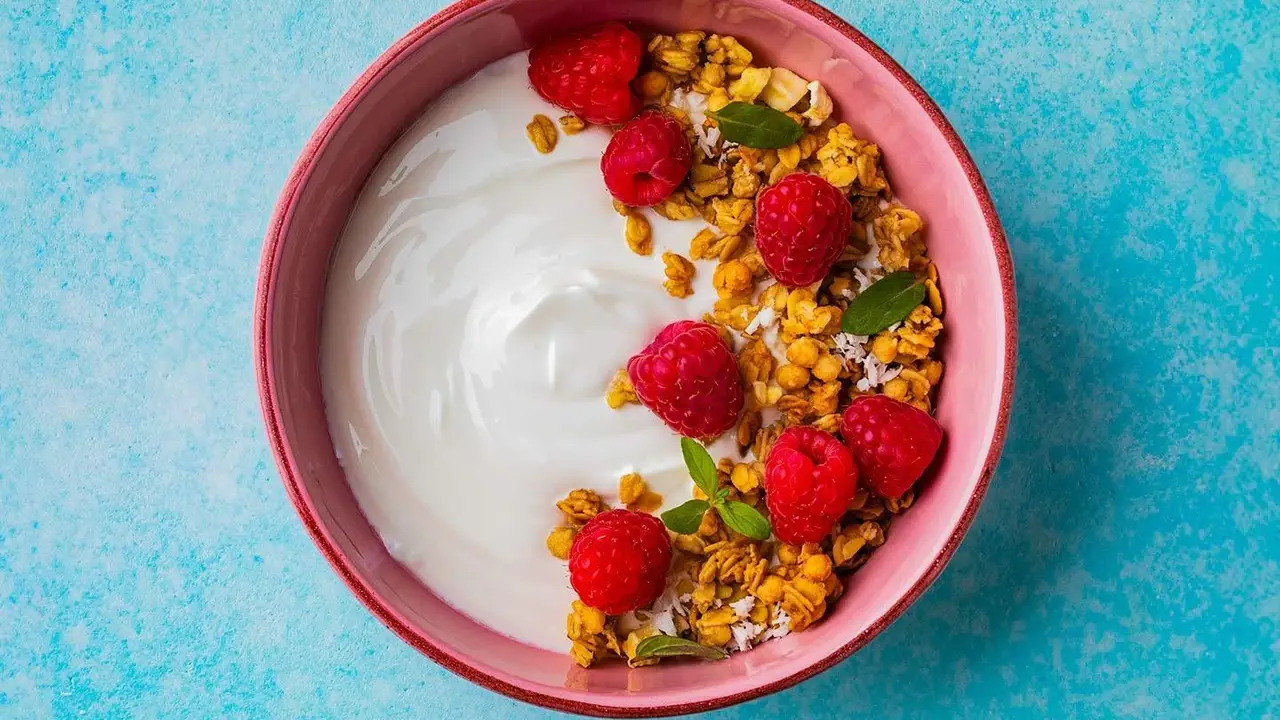
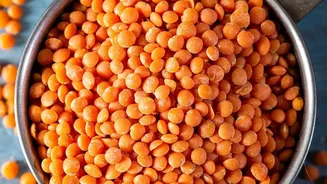
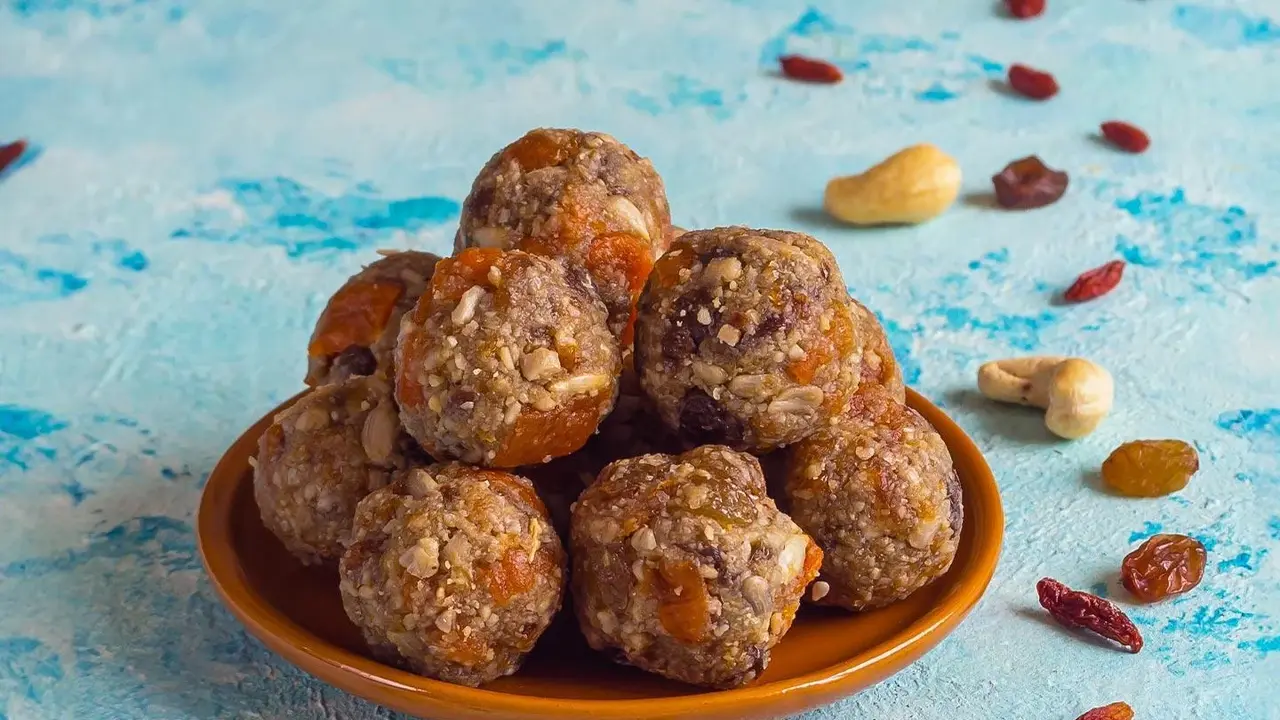
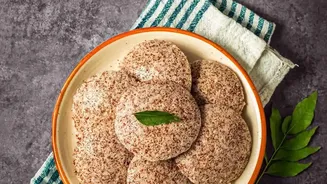
The good news is that you don't have to rely on packaged goods to join the high-protein dessert movement. The principles can easily be applied in your own kitchen. Traditional Indian desserts, many of which are already rich in protein from ingredients like milk, paneer (chenna), and lentils, can be made even healthier. Consider a classic like Kheer; by using skimmed milk and swapping refined sugar for jaggery, you enhance its profile. Sandesh, made from fresh chenna, is naturally rich in milk protein. You can create delicious and protein-packed ladoos using dates, nuts, and seeds. Other simple and effective options include blending Greek yoghurt with cocoa powder for a creamy mousse, or making cheesecakes with a base of cottage cheese. These homemade versions give you full control over the ingredients, allowing you to boost protein and fibre while minimising sugar and processed additives.
How to Choose Your Treat Wisely
Whether you're buying a product or making one at home, a little knowledge goes a long way. When shopping, always read the full nutrition label, not just the protein content on the front. Look for whole food ingredients and be wary of long lists of unpronounceable additives. Check the sugar content—some protein bars and desserts compensate for taste with excessive sweeteners or sugar alcohols, which can cause digestive discomfort in some people. And remember, context matters. While a protein dessert can be a more strategic choice for a post-workout snack or a satisfying treat, it's not a license to overindulge. The goal is to make indulgence smarter, not to replace whole, nutrient-dense meals with processed snacks.