






Beyond the Thermostat Setting
For decades, we’ve been conditioned to think that the secret to comfortable sleep lies between 15 and 19 degrees Celsius. While a cool room is certainly important, focusing only on the thermostat ignores half of the equation. Temperature tells you how
hot or cold the air is, but humidity tells you how that air will feel against your skin and how effectively your body can cool itself down. High humidity can make a cool room feel muggy and sticky, while very low humidity can make it feel harsh and dry. Ignoring the moisture level in your bedroom is like trying to bake a cake by only paying attention to the oven temperature while disregarding the recipe's liquid ingredients.
The Science of Sweat and Sleep
Your body has a brilliant, built-in cooling system: sweating. As you sleep, your core temperature naturally drops, a process essential for initiating and maintaining deep, restorative sleep. Your body sheds heat, in part, by producing sweat, which cools you down as it evaporates from your skin. Here’s where humidity comes in. If the air in your bedroom is already saturated with moisture (high humidity), your sweat can't evaporate efficiently. This traps heat, making you feel hot and clammy, leading to tossing, turning, and a reduction in deep and REM sleep stages. Conversely, if the air is excessively dry (low humidity), it can pull too much moisture from your body, leading to a dry, scratchy throat, irritated nasal passages, and itchy skin — all of which can disrupt a peaceful slumber.
Finding the 'Sweet Spot' for Humidity
So, what's the ideal level? Most sleep experts and studies agree that a relative humidity level between 30% and 50% is the optimal range for sleeping. Within this sweet spot, the air is moist enough to avoid irritation but dry enough to allow for effective evaporative cooling. When humidity climbs above 60%, it not only makes you feel uncomfortable but also creates a breeding ground for mould, mildew, and dust mites, which can trigger allergies and respiratory issues. Below 30%, the dry air can cause discomfort like dry eyes, a sore throat, and even nosebleeds, waking you from an otherwise deep sleep.
How to Take Control of Your Sleep Climate
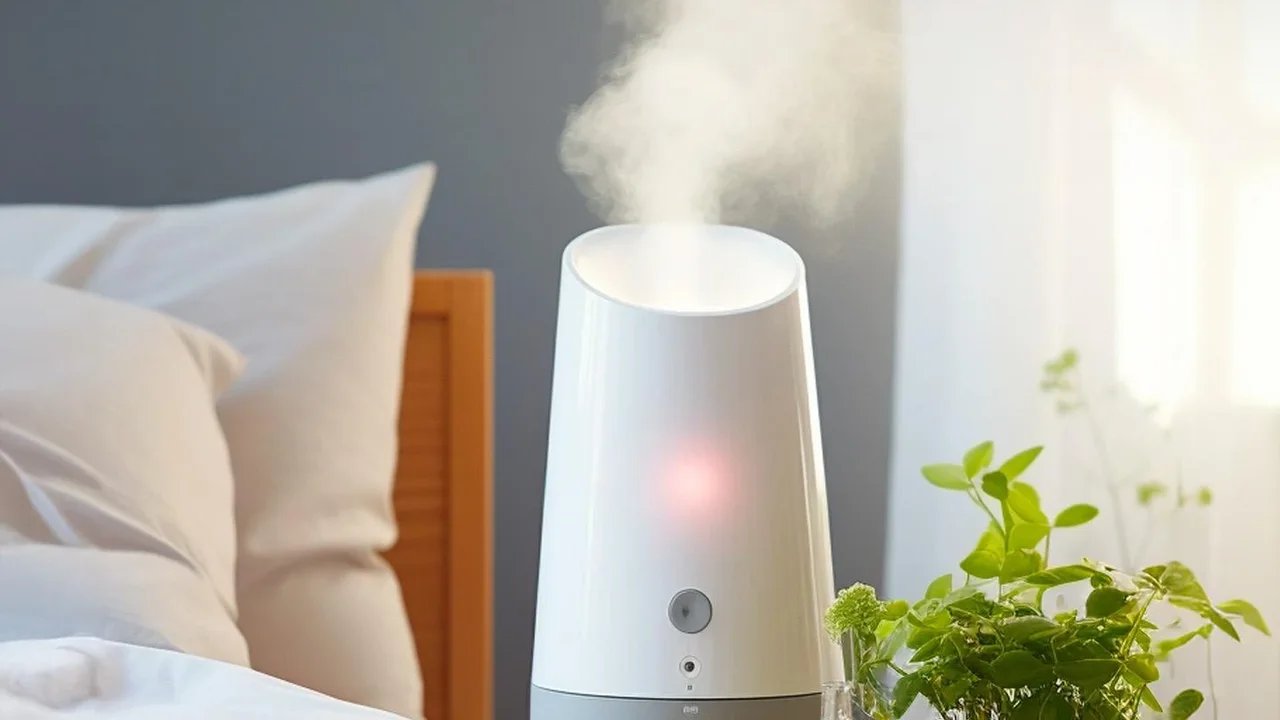
You don't have to leave your comfort to chance. The first step is to measure. A simple, inexpensive device called a hygrometer can tell you the exact humidity level in your room. If you find your room is too damp, a dehumidifier is your best tool. You can also improve ventilation by opening windows when the outside air is drier or using an exhaust fan. Ensure there are no leaks in your room contributing to moisture. If the air is too dry, especially common in winter when heating systems are running, a humidifier can add necessary moisture back into the environment. Placing a few houseplants in your room can also help to naturally increase humidity, though their effect is generally modest.
Choose Your Bedding Wisely
What you sleep on and under also plays a significant role in moisture management. Synthetic fabrics like polyester are notorious for trapping heat and moisture, essentially creating a personal microclimate of high humidity around your body. Instead, opt for natural, breathable fabrics for your sheets, pyjamas, and mattress protectors. Materials like cotton, linen, bamboo, and wool are excellent at wicking moisture away from your skin, helping to keep you dry and comfortable throughout the night. This simple switch can make a world of difference, working in concert with the ambient humidity of your room to ensure your body's temperature regulation system can do its job properly.