





Embrace the Overland Journey
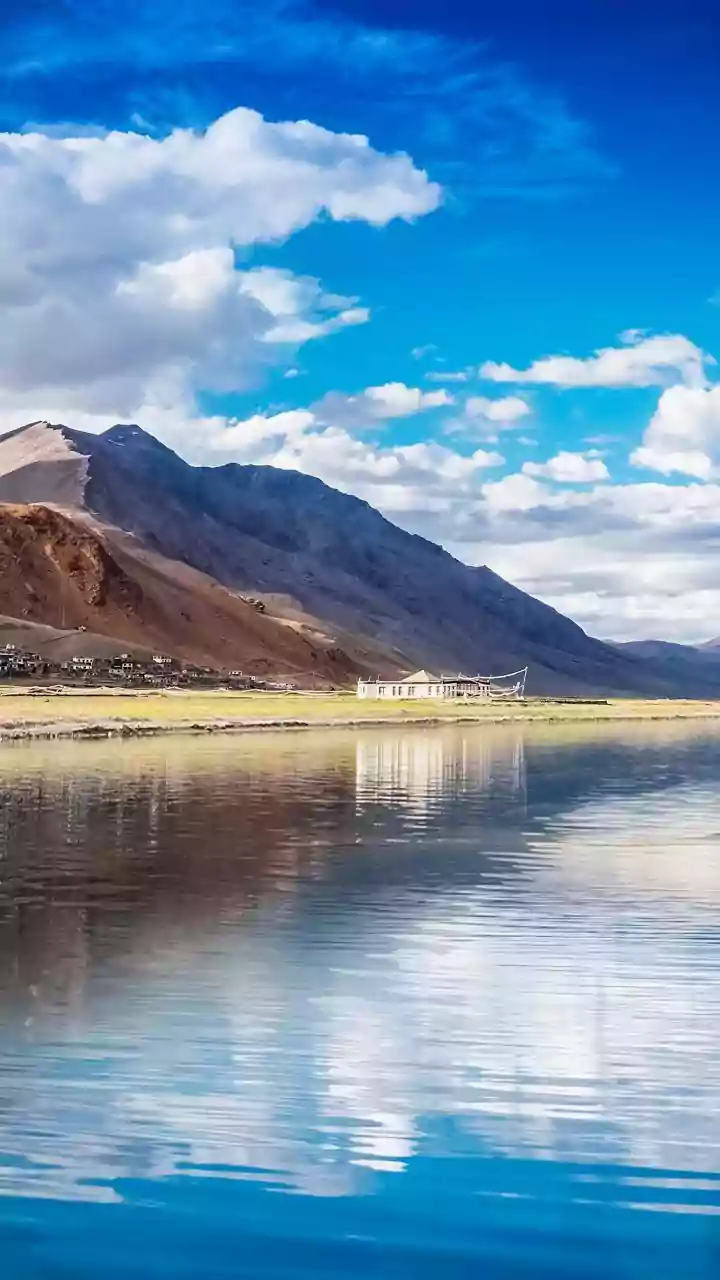
The magic of backpacking Laos and Cambodia lies in the overland journey itself. While flights are faster, buses and minivans offer a front-row seat to the region's stunning landscapes. The most common route connects Southern Laos (near the 4000 Islands)
with Northern Cambodia. Direct bus services run between major hubs like Vientiane in Laos and Phnom Penh or Siem Reap in Cambodia. These journeys can be long, often taking 20-26 hours, but they are a quintessential part of the experience. Companies offer VIP or sleeper buses which are relatively comfortable, often including air-conditioning and an onboard toilet. A typical daily budget for a shoestring backpacker in this region can be as low as $25-35 USD, covering basic accommodation, street food, and local transport.
Mastering the Border Crossing
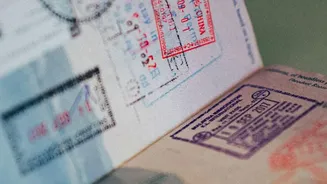
The main land border for foreigners is the Nong Nok Khien (Laos) and Trapeang Kreal/Dong Kalor (Cambodia) crossing. Many bus companies offer packages that guide you through the process. For Indian passport holders, Laos offers visa-free entry for up to 30 days, while Cambodia typically requires a visa, which can be obtained on arrival for most nationalities. For a Visa on Arrival (VOA), be prepared with a valid passport (at least six months validity), a recent passport-sized photo, and cash in US dollars for the fee, which is around $35-$40. Be aware that officials might ask for small, informal "processing fees" of a dollar or two at land borders. Having the correct documentation and cash ready will make the process smoother.
Sleep Soundly on a Budget
Accommodation is one of the easiest places to save money. Both Laos and Cambodia have a well-established network of hostels and guesthouses catering to backpackers. A dorm bed can cost as little as $5-10 per night, while a basic private room might range from $12-25. These places are not just cheap, they are social hubs where you can meet fellow travelers, share tips, and book onward travel or local tours. In popular spots like Luang Prabang, Siem Reap, and the 4000 Islands, you'll find a wide variety of options, from party hostels to quieter, family-run guesthouses. Booking a night or two in advance online can be wise during peak season, but it's often just as easy to find a place upon arrival.
Feast Like Royalty for Pennies
To eat well without spending much, follow the locals to the street food stalls and bustling markets. In Laos, a hearty bowl of khao soi noodle soup or a bag of sticky rice with grilled meat can cost just a dollar or two. Cambodia offers incredible dishes like fish amok and beef lok lak from street vendors and local eateries for similarly low prices. A meal at a local restaurant might set you back $2-5, while Western-style cafes will be significantly more expensive. Eating street food is not just about saving money; it's a delicious and authentic way to immerse yourself in the local culture. Look for stalls with high turnover and plenty of local customers to ensure freshness.
Getting Around and Seeing the Sights
Once in a city, your feet are your best and cheapest form of transport. For longer distances, renting a bicycle is a great way to explore places like the Angkor Wat temple complex. Tuk-tuks and moto-taxis are ubiquitous for shorter trips; always agree on a price before you start your journey. Many of the best experiences are free or very cheap, like watching the morning alms-giving ceremony in Luang Prabang or wandering through vibrant local markets. For major attractions, like the temples of Angkor, purchasing a multi-day pass offers the best value. Prioritise the experiences that matter most to you and don't be afraid to skip some of the pricier tourist-oriented activities.