


What is Pantry 2.0?
This isn't about fancy gadgets or imported superfoods. Pantry 2.0 is a philosophy. It’s a conscious shift away from highly processed ingredients and back towards the nutrient-dense, climate-smart foods that were once the bedrock of Indian diets. For decades,
the Green Revolution prioritized rice and wheat, pushing traditional grains like millets to the sidelines and often branding them as “poor man’s food.” Today, a new generation is rediscovering this lost wisdom, driven by a desire for better health, sustainability, and a connection to their heritage. This new pantry is defined by what it brings back: whole grains, diverse fibres, and an appreciation for the traditional food systems that nourished our ancestors for centuries.
The Mighty Millet's Comeback
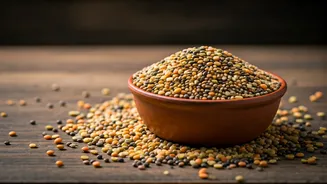
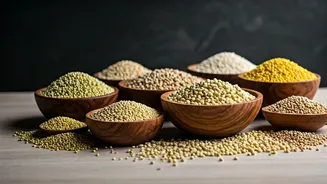
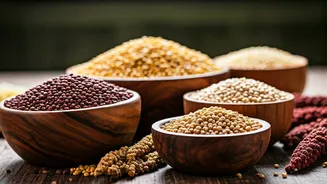
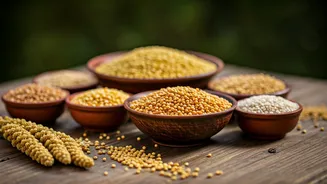
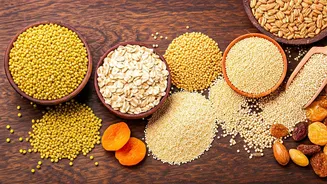
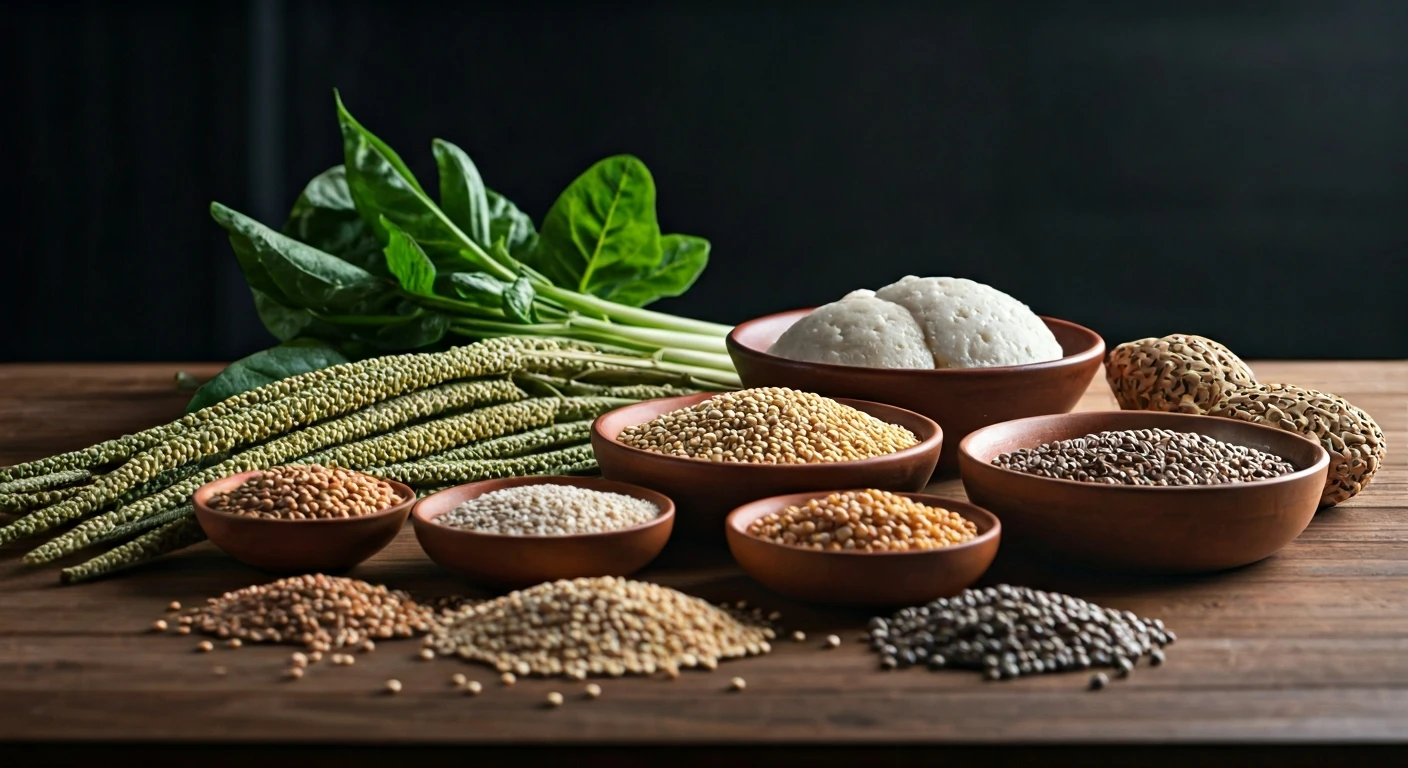
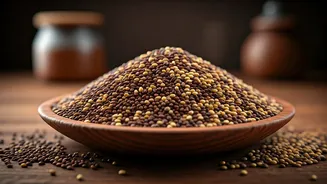
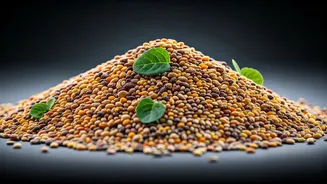
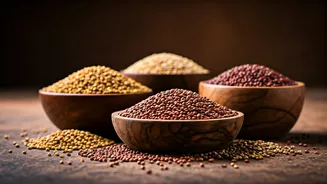
At the heart of this movement is the humble millet. Grains like ragi (finger millet), jowar (sorghum), and bajra (pearl millet) are making a powerful comeback. This revival is fueled by a growing awareness of their incredible health benefits and their resilience in the face of climate change. Millets are nutritional powerhouses, packed with protein, essential minerals like iron and calcium, and are naturally gluten-free. The Indian government has also played a crucial role, with initiatives like the 'International Year of Millets' in 2023 and various schemes to promote their cultivation and consumption, even re-introducing them into public distribution systems. This has sparked innovation, with startups and home cooks alike creating everything from millet-based pasta and bread to modern takes on traditional recipes.
Fibre: The Unsung Nutritional Hero
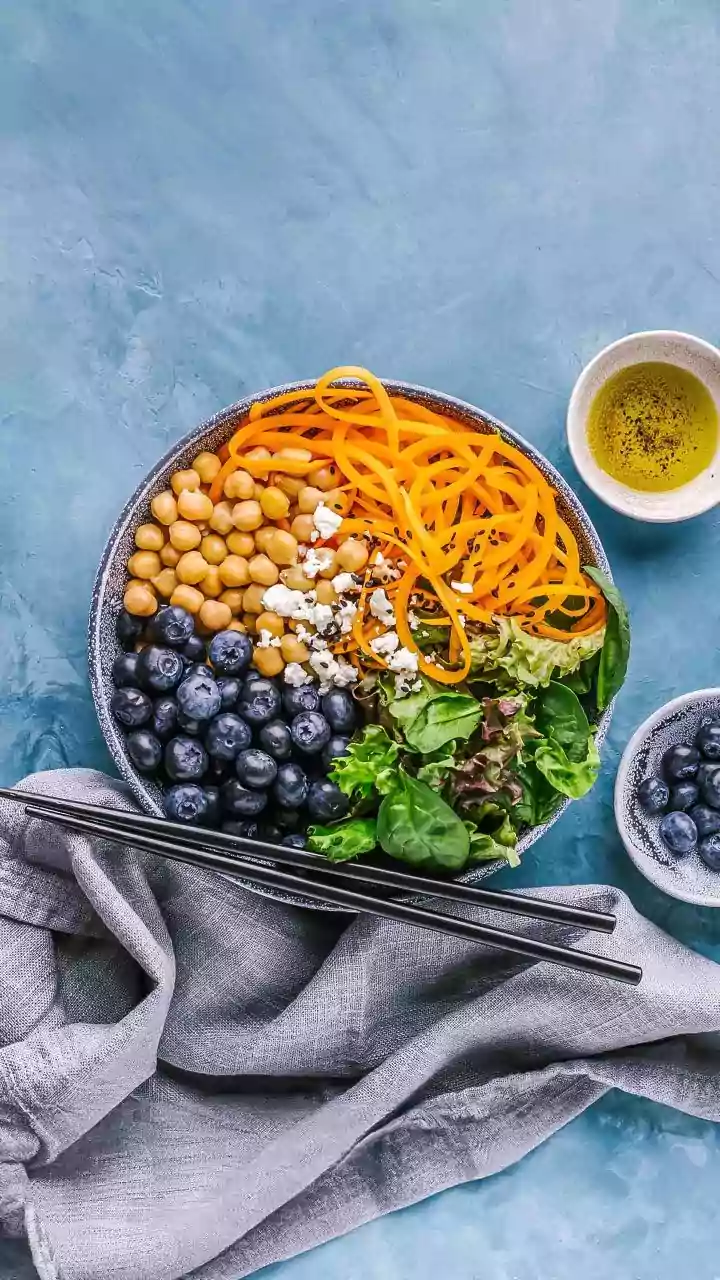
Alongside millets, there's a renewed focus on fibre. For years, dietary fibre was simply known as 'roughage,' important for digestion but otherwise ignored. Now, we understand its critical role in overall health. High-fibre diets, rich in both soluble and insoluble fibre, are essential for maintaining a healthy gut microbiome, managing blood sugar levels, and reducing the risk of chronic diseases. Millets are an excellent source of this dietary fibre. The insoluble fibre acts as a prebiotic, feeding the good bacteria in your gut, while soluble fibre can help lower cholesterol. This focus on fibre is a return to a traditional eating pattern, where whole foods naturally provided the fibre our bodies need, something that is often stripped away in modern, processed diets.
Tradition Meets Modern Convenience
Pantry 2.0 is not about painstakingly recreating the kitchens of our grandmothers. It’s about adapting ancient wisdom for modern life. The revival of traditional ingredients is paired with a need for convenience. Urban consumers are health-conscious but time-poor. This has led to a surge in innovative products that make healthy eating easier. Think ready-to-cook millet batters, ragi-based breakfast cereals, jowar crackers, and healthy snacks that offer nutrition without extensive preparation time. It's a blend of old and new: the time-tested nutritional value of traditional grains meets the modern demand for accessibility and ease, making it possible for anyone to embrace a healthier, more traditional diet without sacrificing convenience.
How to Build Your Own Pantry 2.0
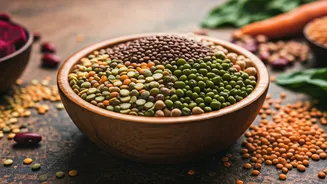
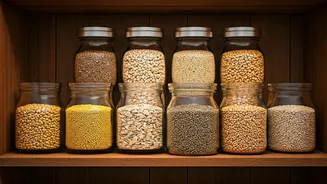
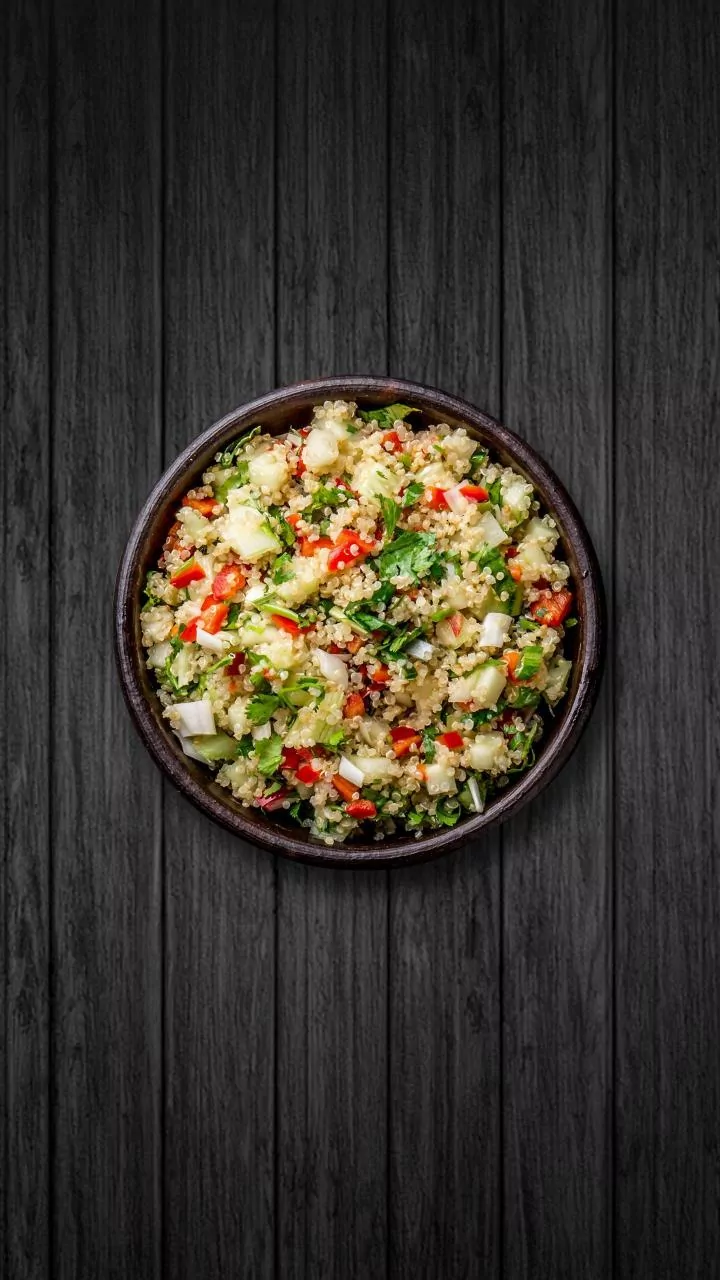
Adopting this new pantry philosophy doesn't require a complete overhaul. It can start with small, simple swaps. Begin by introducing one type of millet into your weekly routine—perhaps by swapping rice for foxtail millet or making rotis with a mix of jowar and wheat flour. Prioritize whole foods over packaged ones. When buying grains, choose whole versions instead of refined flours. Stock up on a variety of dals, legumes, nuts, and seeds, which are all excellent sources of fibre and protein. Use clear jars for storage; this not only keeps your pantry organized but also makes you more likely to use what you see. The goal isn’t perfection, but progress. By slowly reintroducing these traditional, nutrient-dense foods, you can build a pantry that supports your health, connects you to your heritage, and contributes to a more sustainable food future.