







The Rise of the Sharing Mindset
The sharing economy is no longer a niche concept in India; it's a part of modern urban life. From ride-sharing apps to furniture rentals, a growing number of people, particularly millennials, prefer access over ownership. This 'asset-light' lifestyle
offers flexibility and affordability, two crucial factors in today's fast-paced cities. Now, this mindset is entering our homes through a brilliant, community-driven idea: the society tool bank. The concept is simple, functioning much like a book library. Instead of every household owning a separate set of rarely used tools, the community pools its resources, creating a shared collection that everyone can borrow from when needed. It's a natural extension of the collaborative spirit already present in many Resident Welfare Associations (RWAs).
A Win for Your Wallet, A Win for the Planet
The most immediate benefit of a tool bank is financial. The cost of a high-quality power drill, a high-pressure washer, or a specialized kitchen appliance can be significant, especially if it's only used a few times a year. By sharing, residents avoid these individual costs, freeing up money for other needs. The second major benefit is environmental. India is one of the world's largest producers of electronic waste, generating millions of tonnes annually with a formal recycling rate that remains critically low. Many old tools and electronics are discarded improperly, contributing to soil and water pollution. A shared tool bank directly tackles this problem at the source. When one ladder serves 50 families instead of 50 ladders being manufactured and eventually discarded, the collective reduction in consumption and future waste is substantial.
What Goes Into a Community Tool Bank?
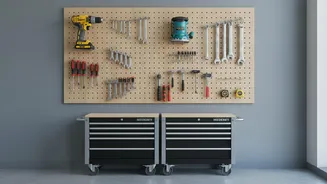
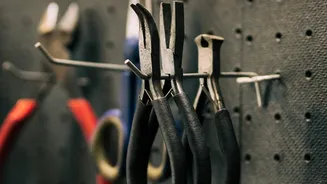
The inventory of a tool bank can be tailored to the community's specific needs. The most successful libraries start with a mix of items that are useful but not required for daily life. This includes power tools like drills, saws, and sanders, which are perfect for DIY projects. It also covers hand tools such as wrench sets, hammers, and screwdrivers. But the concept can extend far beyond the basics. Gardening equipment like lawnmowers or hedge trimmers, ladders, and even specialty kitchen appliances like large food processors or ice cream makers are excellent candidates for sharing. Some communities might even include camping gear, projectors for movie nights, or sewing machines. The key is to focus on items that are expensive to buy and take up valuable storage space in individual apartments.
How to Start a Tool Bank in Your Society
Launching a tool bank is a manageable project that can be driven by a few motivated residents or the RWA. The first step is to form a small, dedicated committee to lead the initiative. Next, identify a secure, accessible space; a locked storage room in the basement or a designated corner of the clubhouse can work perfectly. To build the initial inventory, the committee can run a donation drive, asking residents to contribute surplus tools they no longer need. This can be supplemented by a small budget from the RWA to purchase a few essential, high-quality items. Finally, establish a simple management system. This could be a low-tech sign-out sheet on a clipboard or a more modern approach using one of the many society management apps available in India, which can help track bookings and send reminders.
Simple Rules for a Sustainable System
For a tool bank to succeed long-term, clear and simple guidelines are essential. These rules aren't meant to be restrictive but to ensure the tools remain in good condition and are available for everyone. A basic borrowing policy might include a set loan period, such as one week, and a clear process for extensions. A sign-out system, whether digital or physical, helps track who has what and when it's due back. It is also important to have a plan for maintenance and repairs. Some societies create a small repair fund from member contributions or host volunteer 'fix-it' days to keep the tools in working order. Creating a culture of shared responsibility, where users clean tools before returning them and report any issues, is crucial for building a lasting community asset.