




Understanding the Monsoon Price Drop
The primary advantage of monsoon travel is the significant reduction in cost. With fewer tourists, what was once a peak season luxury can become an affordable escape. Hotels, especially in popular leisure destinations, often slash their prices to attract
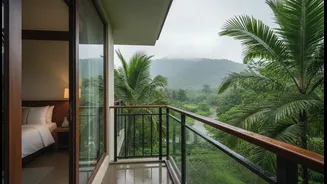
guests during these traditionally leaner months. You can expect hotel rates to be anywhere from 30% to as much as 50-60% cheaper than during the peak winter season. This price drop makes it possible to book stays at premium properties, heritage hotels, and boutique resorts that might otherwise be out of budget. The logic is simple: lower demand leads to competitive pricing, allowing travellers to get more value for their money. This trend isn't just for budget hotels; even high-end chains offer attractive deals to maintain occupancy.
Finding and Using Flexible Deals
Monsoon weather can be unpredictable, making travel plans uncertain. Recognising this, many hotel chains and online travel agencies now offer flexible booking options to reassure travellers. These deals often include perks like complimentary upgrades, breakfast inclusions, and discounts on food and spa services. Major hotel groups like Taj and Royal Orchid Hotels have specific monsoon packages that allow for flexible stay windows and include meals and other benefits. When booking, look for terms like "free cancellation" or "flexible modification." These policies allow you to change your dates or cancel without a hefty penalty, which is crucial if heavy rains disrupt your travel plans. Some platforms even offer cashback incentives and special coupon codes to make booking more attractive.
Quieter Destinations for a Peaceful Escape
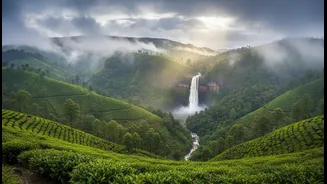
While popular spots like Goa and Kerala are seeing a surprising surge in monsoon tourism, the season is also perfect for exploring quieter, offbeat destinations. These places offer serene landscapes without the peak-season crowds. In the south, consider Valparai in Tamil Nadu for its tranquil tea estates or Agumbe in Karnataka, known as the "Cherrapunji of the South" for its dense rainforests. In Maharashtra, Bhandardara offers lakeside views and numerous waterfalls, providing a peaceful alternative to the bustling crowds of Lonavala. For those heading north, Tirthan Valley in Himachal Pradesh is a quieter option than Manali, with beautiful pine forests and orchards. In the east, Lamahatta near Darjeeling and Daringbadi in Odisha are peaceful eco-tourism spots that come alive with mist and greenery during the rains.
The Clear Benefits of Monsoon Travel
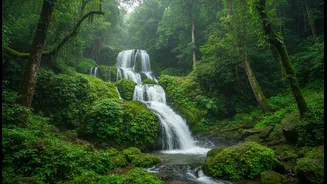
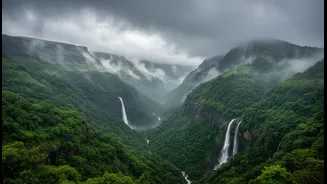
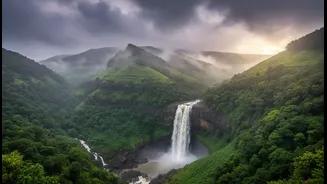
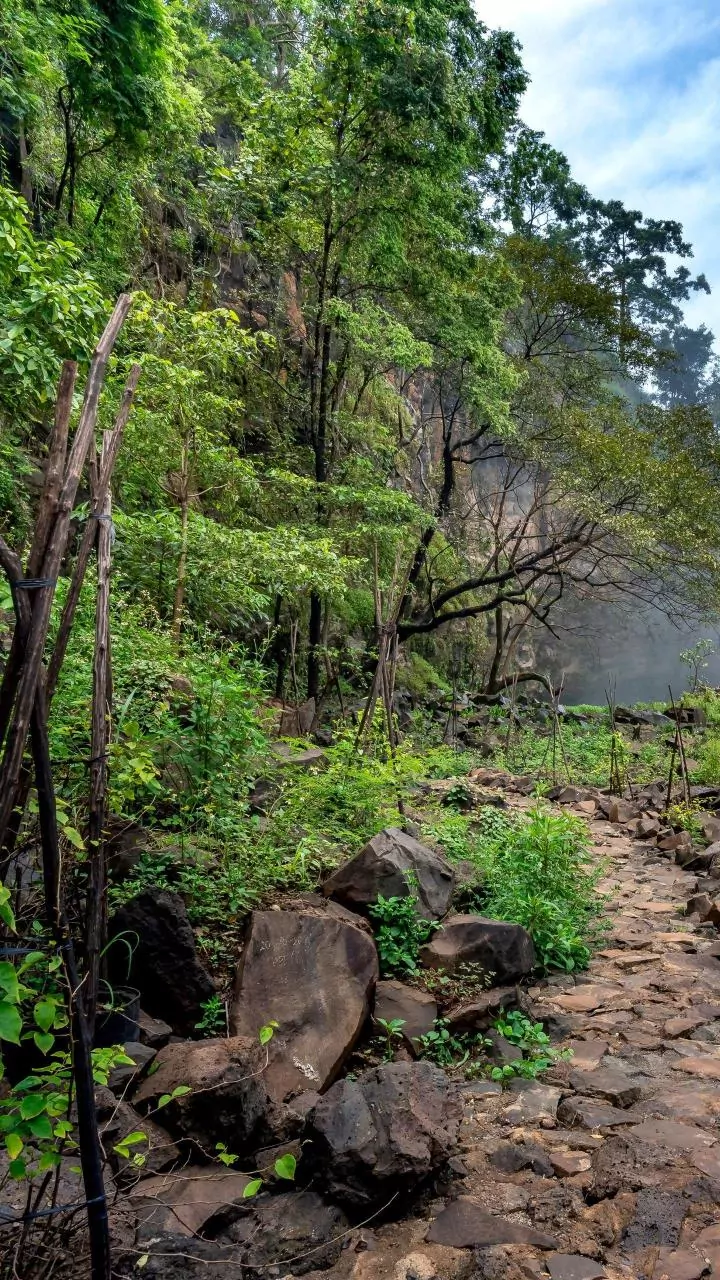
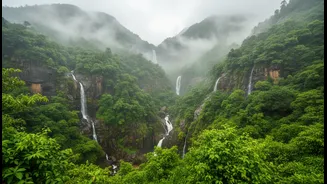
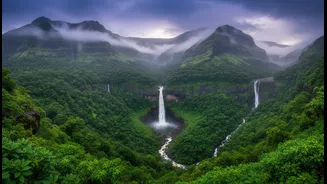
Beyond lower prices, travelling during the monsoon offers several distinct advantages. The most obvious is the stunning natural beauty, as landscapes become incredibly lush and vibrant. Waterfalls are at their most dramatic, and the countryside is a tapestry of green. Another significant benefit is the reduction in crowds. Major attractions that are usually packed with tourists are far less busy, allowing for a more relaxed and authentic experience. This slower pace means you can often connect more with locals and enjoy a more peaceful vacation. The entire travel experience feels less rushed, from navigating airports to exploring historical sites.
Knowing the Limits and Potential Risks
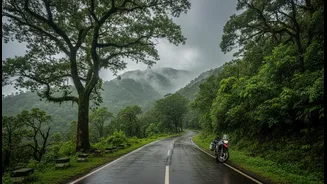
Despite the many perks, monsoon travel requires careful planning due to its inherent limitations. The most significant risk is travel disruption caused by weather. Heavy rains can lead to flooded roads, flight delays, and cancelled trains. In hilly regions, there is an increased risk of landslides, which can cut off access to certain areas. Outdoor activities like trekking and wildlife safaris may be limited or cancelled for safety reasons, and many national parks are closed during this period. It's also important to be mindful of health and hygiene, as the humid conditions can lead to an increase in mosquito-borne illnesses. Packing appropriate waterproof gear and quick-drying clothes is essential for a comfortable trip.