



The Monsoon Menu Mindset
The shift in weather doesn't just change the scenery; it affects our bodies. According to Ayurveda, the Indian system of traditional medicine, the monsoon or 'Varsha Ritu' is a time when our digestive fire, or 'Agni', becomes weaker. The high humidity
can make our metabolism sluggish, making it harder to digest heavy, oily, and cold foods. This is why traditional wisdom across India pivots towards meals that are warm, light, freshly cooked, and easy to digest. The goal is to support your system, boost immunity against seasonal bugs, and still enjoy the flavours of the season without feeling heavy or bloated.
Embrace Soups and Broths
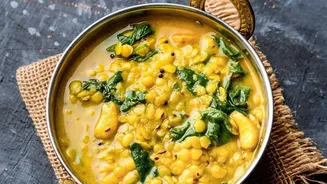
Nothing says comfort on a rainy day quite like a warm bowl of soup. Instead of heavy, cream-based options, the monsoon is perfect for light broths and lentil-based soups. A classic South Indian rasam, with its peppery and tangy notes, is excellent for clearing sinuses and warming the body. Simple vegetable soups, seasoned with digestive spices like ginger, cumin, and black pepper, are also ideal. A bowl of moong dal shorba or a simple khichdi, which is often considered the ultimate comfort food, provides nourishment without taxing your digestive system.
Go with Gourds and Cooked Veggies
While leafy green vegetables are generally healthy, during the monsoon, they can carry more dirt and are prone to contamination due to the dampness. It's wiser to opt for vegetables that are easy to digest and cook thoroughly. Gourds are a monsoon superstar for this reason. Vegetables like bottle gourd (lauki), ridge gourd (turai), bitter gourd (karela), and pointed gourd (parwal) are excellent choices. They are light on the stomach and absorb flavours beautifully in curries and stews. Steamed or lightly stir-fried vegetables are preferable to raw salads, which can be difficult to digest and pose a higher risk of infection during this season.
Choose Your Grains Wisely
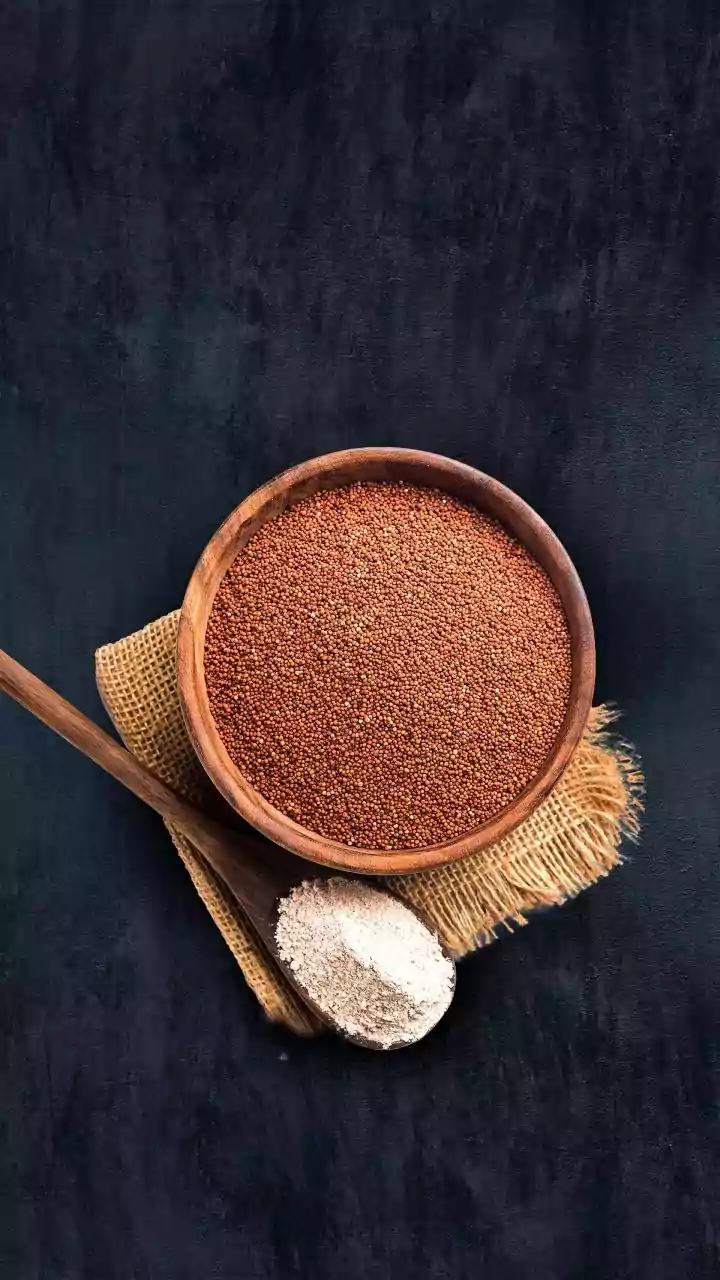
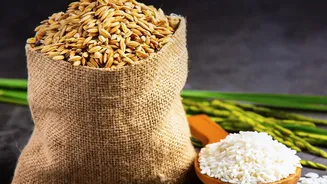
Heavy, gluten-rich grains can feel taxing on a sluggish monsoon digestive system. Lighter alternatives are a better bet. Old rice (aged for at least a year) is considered easier to digest than new rice. Millets like jowar, bajra, and ragi are also fantastic options, often used to make rotis or porridge. Barley (jau) is another excellent grain known for its lightness. Moong dal, one of the most easily digestible lentils, is a perfect companion for rice in the form of khichdi or as a simple dal to be eaten with rotis.
The Power of Spices
Indian spices are not just for flavour; they are central to seasonal wellness. During the monsoon, spices that have warming and digestive properties are particularly beneficial. Ginger, turmeric, black pepper, asafoetida (hing), cumin, and coriander should be your kitchen's best friends. A small piece of ginger with rock salt before a meal can help fire up your digestion. These spices not only make food taste better but also have antimicrobial properties that can help protect you from common seasonal infections.
Mindful Fruity Indulgences
While fruits are a vital part of a healthy diet, it's best to be selective during the monsoon. Very watery fruits like watermelon can be avoided as they might dampen the digestive fire, according to Ayurvedic principles. Instead, opt for seasonal fruits like jamun, pears, pomegranates, apples, and papaya. These fruits provide essential vitamins and fibre without being excessively cooling or heavy on the system. As with vegetables, ensure they are washed thoroughly before consumption.