







The Tyranny of the Scale
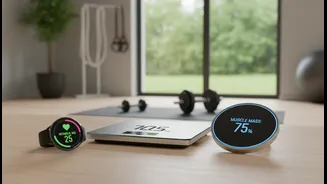
For decades, the bathroom scale has been the primary judge of weight-loss success. A falling number meant victory; a stagnant one, failure. This focus on total body weight, often measured through the Body Mass Index (BMI), is simple and easy to track.
However, it’s a blunt instrument that tells an incomplete story. The scale can’t distinguish between a kilogram of fat and a kilogram of muscle, nor does it reflect crucial internal health changes. Two people can have the identical height and weight but possess vastly different health profiles based on what their bodies are actually made of. This narrow focus often misses the real goal for many people: not just to weigh less, but to be healthier, more energetic, and feel better in their daily lives.
Medication's Promise and Its Hidden Catch
Enter the new era of weight-loss medications like GLP-1 agonists. These drugs are highly effective, often leading to significant weight loss of 15% or more by suppressing appetite and slowing digestion. They offer undeniable benefits for metabolic and cardiovascular health. However, this rapid weight reduction comes with a trade-off. Studies show that a substantial portion of the weight lost—sometimes up to 40%—can be lean muscle mass, not just fat. Losing muscle is problematic because it is your body's metabolic engine, burning calories even at rest. A decrease in muscle mass can slow your metabolism, making it harder to sustain weight loss and easier to regain weight if the medication is stopped. Furthermore, some research links rapid weight loss from these drugs to a decrease in bone density, which is critical for long-term health.
Exercise: More Than Just Burning Calories
This is where exercise, particularly resistance training, enters the picture. While exercise alone might produce more modest results on the scale compared to medication, its benefits are qualitatively different and critically important. Strength training is the most effective way to preserve, and even build, lean muscle mass during a period of weight loss. This is crucial for maintaining a healthy metabolic rate. Combining GLP-1 medications with exercise appears to be a powerful strategy: the drugs enhance overall weight loss, while exercise helps ensure that more of that loss comes from fat, not muscle. This combined approach not only improves body composition but also supports long-term weight maintenance and bone health.
Redefining Success: Beyond Body Weight
The bigger story is a shift toward a more holistic view of health, where the number on the scale is just one data point among many. A truer measure of success includes body composition—the ratio of fat to muscle. Tracking changes in waist circumference is a simple and effective way to monitor the loss of visceral fat, the dangerous fat stored around internal organs. Other vital signs of progress include improvements in clinical health markers, such as lower blood pressure, healthier cholesterol levels, and better blood sugar control. These objective measures reflect a body that is functioning more efficiently, reducing the risk of chronic diseases.
The Ultimate Metric: Quality of Life
Perhaps the most important, yet often overlooked, metric is your quality of life. Are you sleeping better? Do you have more energy throughout the day? Has your mood improved? Can you climb a flight of stairs without getting winded or play with your kids more actively? These are called non-scale victories, and they often matter more than the number on the scale. Studies show that even modest weight loss can lead to significant improvements in vitality, physical functioning, and mental health. True success is sustainable and enhances your overall well-being, allowing you to live a fuller, more active, and more joyful life.