



More Than Just a Meal
Forget the fleeting satisfaction of a restaurant dinner or a quick takeaway. The appeal of a heritage culinary tour lies in its depth. These aren't just eating excursions; they are curated narrative experiences. Participants are guided through bustling
markets and forgotten alleyways, not just to taste a famous dish, but to understand its origin, the community that perfected it, and its place in the city’s complex history. It's the difference between eating a kebab and learning that its recipe tells a story of Mughal emperors or Partition-era refugees who brought their culinary identity with them. This shift from passive consumption to active, story-driven engagement is what separates a food walk from a simple meal out.
A Hunger for Authenticity
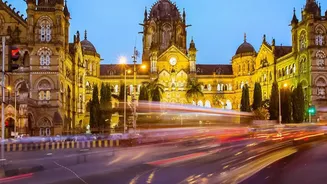
Modern metro life can often feel generic, a blur of glass-and-steel buildings, familiar chain restaurants, and globalized culture. For many young, urban professionals, there is a growing desire to connect with something more tangible and authentic. Heritage food tours offer a powerful antidote to this sense of disconnection. They provide a direct line to the city's roots, often preserved in family-run stalls that have served the same dish for generations. According to recent travel trend reports, a significant majority of Indian travellers are now actively seeking out indigenous cuisines and are eager to learn the history behind famed local dishes. This quest for authenticity is a way of reclaiming a sense of place and identity in a rapidly changing urban environment.
Tasting History, One Bite at a Time
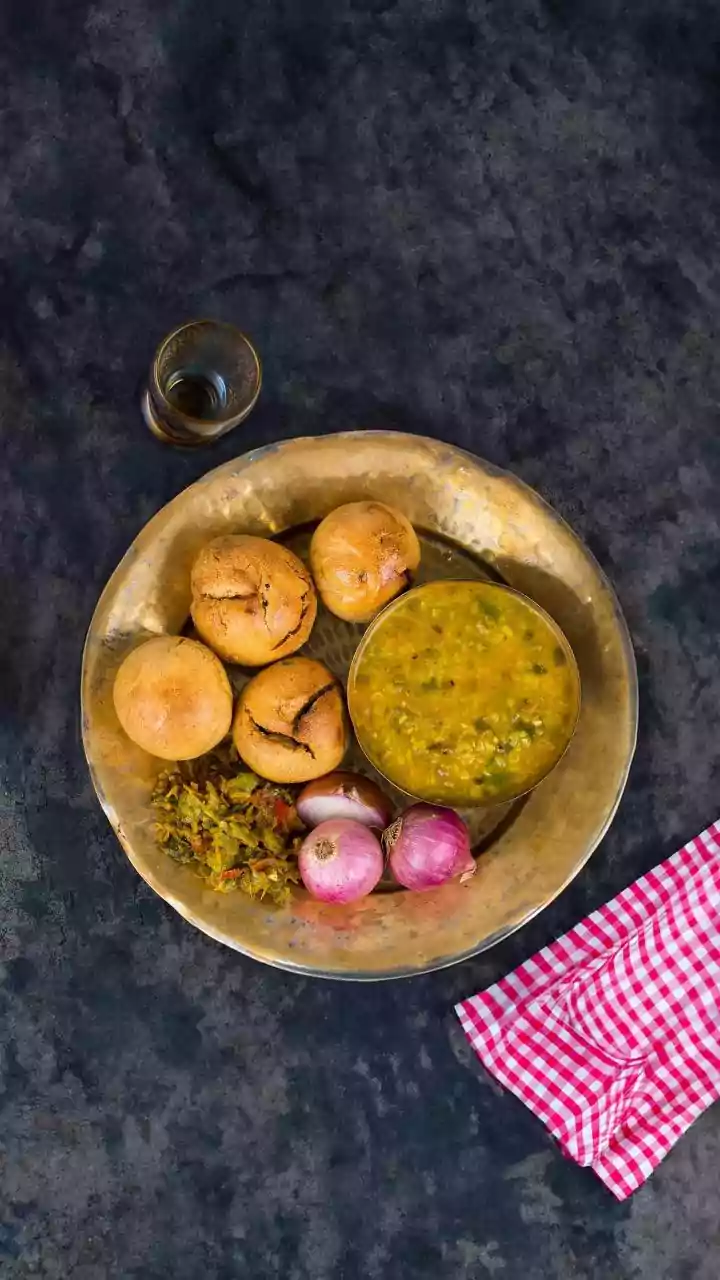
A well-designed culinary tour transforms the city into a living museum where the artifacts are edible. In Old Delhi, a walk through Chandni Chowk might reveal the evolution of chaat, a dish that legend says was created in Shah Jahan's court. In Kolkata, a tour can trace the lingering influence of British, Portuguese, and Chinese communities on the city's bakeries and street food. These tours act as a delicious history lesson, linking flavours to dynasties, trade routes, and migration patterns. Food becomes a sensory medium for understanding the past, allowing participants to literally 'taste' the history that shaped their city, from the rich, layered biryanis of Mughal kitchens to the ingenious, hardy cuisine of the desert.
The Appeal of Expert Curation
While the idea of exploring a city's hidden culinary gems is romantic, the reality can be daunting. Which stalls are hygienic? Which dishes are must-tries? How do you navigate crowded, unfamiliar neighbourhoods? Heritage tour operators remove these barriers. They offer the benefit of deep local knowledge, expert curation, and safety, making complex urban exploration accessible and stress-free for busy residents. A guide not only plans the route but also acts as a storyteller and cultural translator, enriching the experience with anecdotes and insights that a solo explorer would likely miss. This convenience is a major draw for metro dwellers who may have the curiosity but lack the time or local know-how to embark on such a journey alone.
A Shared Journey of Discovery
In an age where social interactions are increasingly digital, these tours offer a refreshing, real-world community experience. They bring together a diverse group of people—from lifelong residents to recent transplants—who share a common curiosity. This social dimension is a significant part of the appeal. Sharing the delight of discovering a new flavour or hearing a surprising historical fact fosters a sense of connection among participants. Recent data on travel trends highlights how Gen Z, in particular, is driving interest in domestic travel that combines culture and local experiences. These tours provide a platform for this, creating a shared adventure that is both educational and deeply enjoyable.