





More Than Just a Midday Stroll
The phrase “walking break” has officially entered the modern lexicon, evolving from a simple lunchtime activity into a structured, intentional wellness practice. This isn't just about getting from point A to point B; it’s about strategically interrupting
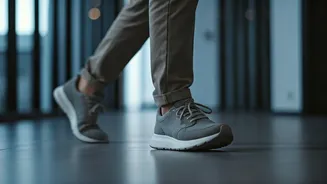
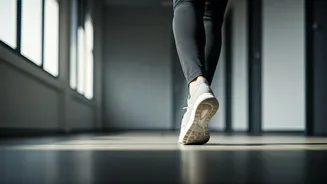
long periods of sitting. The concept gained massive traction online, partly an evolution of the “hot girl walk” trend, which started on TikTok during the 2020 lockdown. That trend, created by Mia Lind, combined a four-mile walk with mindfulness, focusing on gratitude, goals, and self-confidence. While the original had specific rules, its core idea has broadened. Today's walking break is a more flexible concept: a short, scheduled pause designed to break up the workday, whether it’s a five-minute stroll around the office or a 20-minute walk in the neighborhood. It’s a direct response to our increasingly sedentary lives, where an estimated four out of five jobs in some developed nations are primarily sedentary.
The Science of Stepping Away
The buzz around walking breaks is backed by compelling science. Prolonged sitting is linked to a host of health risks, including heart disease, type 2 diabetes, and even premature mortality. Regular movement is one of the most effective ways to counteract these dangers. A recent large-scale study published in the British Journal of Sports Medicine found that taking a five-minute walk every hour strikes the perfect balance between improving well-being and maintaining work performance. Participants in the study reported lower fatigue, a better mood, and higher work engagement without any drop in productivity. In fact, these brief breaks, sometimes called “movement snacks,” can sharpen attention, improve memory, and boost creativity by as much as 60%. The act of walking increases blood flow to the brain, which can help clear mental fog and trigger new ideas, making you more effective when you return to your desk.
A Cure for Modern Work Culture
So, why is this trend gaining so much momentum now? It’s a direct response to the pressures of modern work culture. The rise of remote and hybrid work has blurred the lines between office and home, often leading to longer stretches of uninterrupted screen time. Burnout and digital fatigue are rampant, with a significant percentage of employees reporting that their job is a primary source of stress. Walking breaks offer an accessible, low-cost solution. They don’t require a gym membership or special equipment, just a willingness to step away from the screen. This practice also fosters connection. 'Walking meetings' are becoming more popular as a way to have more productive, honest, and less hierarchical conversations with colleagues. Walking side-by-side can break down barriers and foster a sense of camaraderie that is often lost in formal, sit-down meetings or endless video calls.
How to Make It Work for You
Integrating walking breaks into your day doesn't have to be complicated. The key is to be intentional. Start by scheduling them in your calendar, just as you would any other meeting. A recent study found a five-minute walk every hour is an ideal target. If that feels like too much, start with a 10 or 15-minute walk during your lunch break. For those in an office, suggest a walking meeting for your next one-on-one. If you work from home, use the time you would have spent commuting to take a walk around your block. You can listen to music or a podcast, but many proponents of mindful walking suggest focusing on your thoughts—what you're grateful for and what you want to achieve. The goal is to find a rhythm that feels sustainable. Even a few minutes of movement can reduce physical strain, improve focus, and boost your mood.