


A New Treasure Map for the Moon
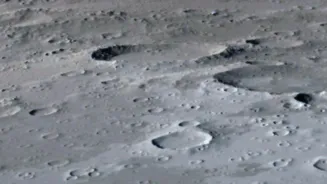
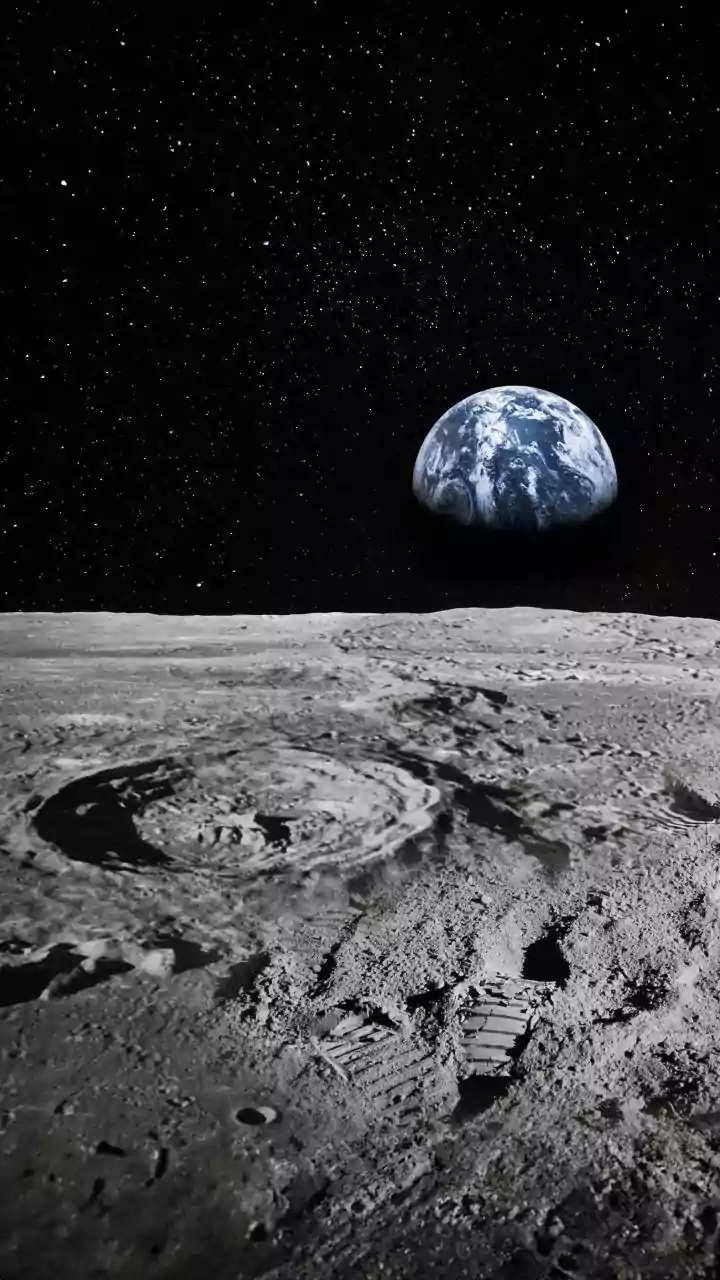
For decades, scientists have known that water ice is hiding on the Moon. The most promising locations were thought to be the bottoms of permanently shadowed regions (PSRs) — deep craters at the lunar poles that haven't seen sunlight in billions of years.
While these frigid traps are excellent for preserving ice, they are incredibly difficult and dangerous to access. Temperatures can drop below -160°C, and the perpetual darkness makes robotic or human exploration a massive challenge. Recent mapping efforts, however, are changing this picture. By combining data from multiple lunar missions, including NASA's Lunar Reconnaissance Orbiter, scientists have created the most detailed maps yet, not just of where water might be, but where it's most likely to be within reach. These maps point to ice deposits that are not just locked away in the deepest, darkest craters, but are potentially in shallower, more manageable locations.
Why 'Accessible' Is the Magic Word
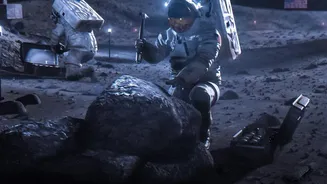
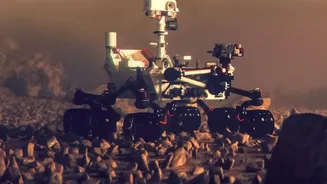
The key breakthrough isn't just confirming the presence of water, but identifying its accessibility. Previous evidence pointed to vast reservoirs, but getting to it was the problem. The new analyses suggest that water ice may exist in shallower deposits, possibly mixed in with the lunar soil (regolith) just a few feet below the surface. Some data even suggests it could be present as frost or in small chunks mixed into the soil. This is a monumental shift. Instead of deploying complex mining operations into the treacherous environment of a permanently shadowed crater, future missions could potentially land near a more illuminated ridge and use rovers to dig for ice in less extreme conditions. This makes the entire prospect of resource extraction far more feasible from an engineering and safety standpoint, reducing risks for both robotic and human explorers.
Fueling the Artemis Generation
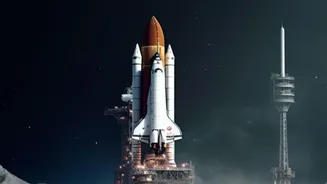
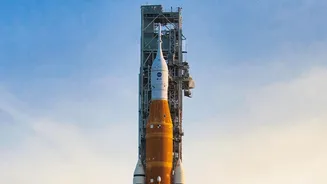
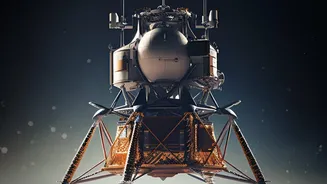
This discovery comes at a critical time for NASA's Artemis program, which aims to establish a long-term human presence on the Moon. The ability to 'live off the land' is central to this vision. Water is heavy, and launching every gallon needed from Earth is prohibitively expensive. Access to local water resources would revolutionize lunar exploration. Through a process called electrolysis, water (H₂O) can be split into its component parts: hydrogen and oxygen. Oxygen is essential for breathable air, but together, hydrogen and oxygen form a potent rocket propellant. This means a future lunar base could effectively become a refueling station for missions deeper into the solar system, including Mars. Having a ready source of water and fuel on the Moon would dramatically lower the cost and increase the sustainability of human space exploration.
More Than Just a Drink
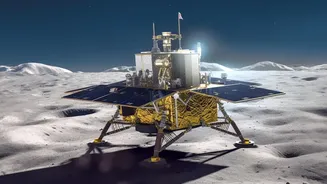
While providing drinking water and rocket fuel are the most-cited benefits, lunar water has other crucial applications for building a sustainable outpost. Water is an excellent radiation shield, and it could be used to protect habitats and astronauts from harmful solar particles and cosmic rays. It would also be indispensable for growing food in lunar greenhouses, further reducing the reliance on costly resupply missions from Earth. The presence of accessible water transforms the Moon from a barren, temporary outpost into a place where a true, self-sustaining community could one day thrive. These new maps provide the foundational information needed to select future landing sites for missions like NASA's Volatiles Investigating Polar Exploration Rover (VIPER), which is designed to prospect for and characterize these ice deposits on the ground.