


The Case for Going Vertical
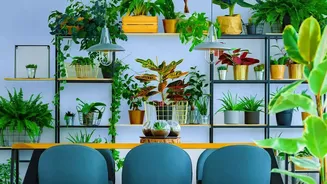
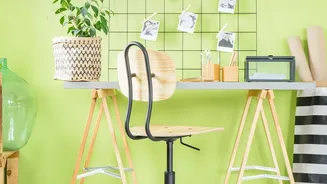
When floor and desk space are at a premium, the only way to go is up. This is a classic interior design trick for small spaces, and it works perfectly for bringing greenery into your home office without sacrificing a single square inch of your work surface.
Beyond just saving space, introducing plants into your workspace has proven benefits, a concept known as biophilic design. Studies have shown that even a small connection to nature can help reduce stress, boost your mood, improve concentration, and even purify the air. It's a simple change that enhances your environment both aesthetically and mentally, making your workstation a healthier, happier place to be.
Find the Perfect Planter Style
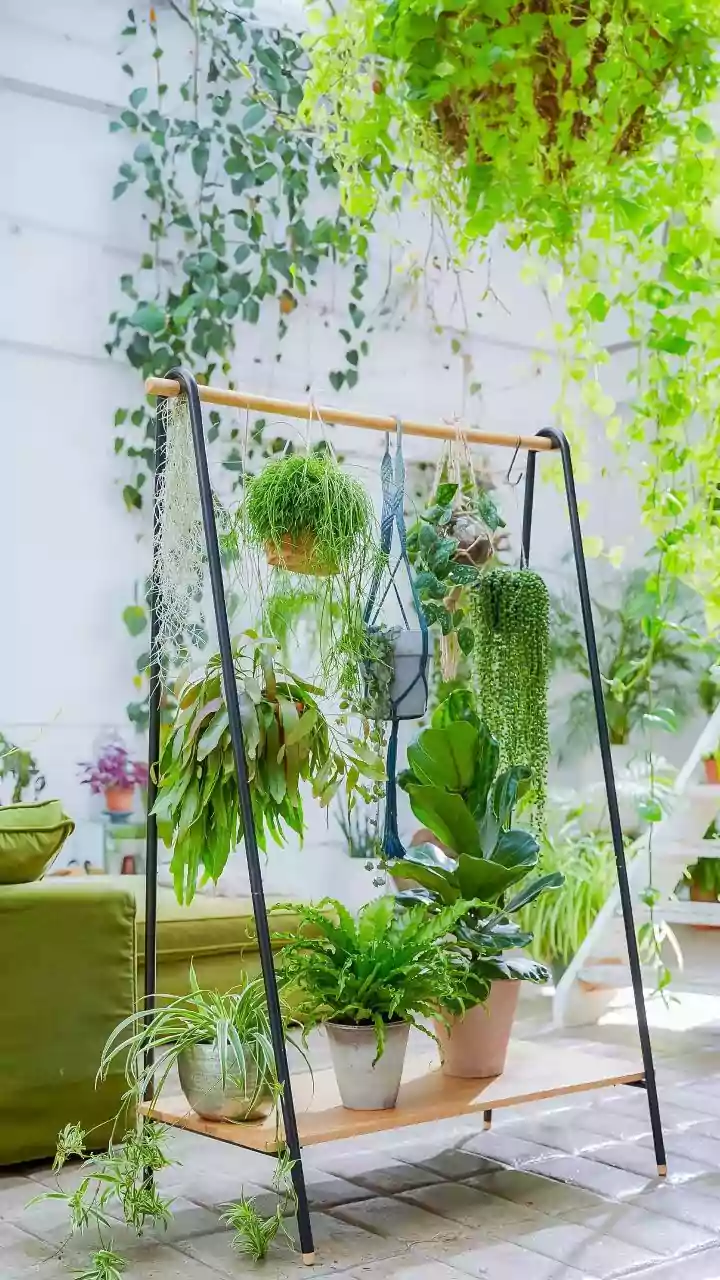
Hanging planters are not a one-size-fits-all solution. The variety of styles means you can find something that perfectly matches your decor and your space. Classic macrame hangers offer a bohemian, soft touch and can be hung from ceiling hooks. Modern ceramic or metal pots with leather or wire hangers provide a sleek, minimalist look. For a more integrated feel, wall-mounted planters can turn a blank wall into a living piece of art. Consider the material and weight — lightweight options like recycled plastic or fabric are great for renter-friendly solutions, while heavier ceramic or stone pots will require more secure installation.
Best Low-Maintenance Plants for the Job
The right plant is crucial for a successful hanging garden. You want something that looks great trailing down but doesn't require constant, fussy care. The Golden Pothos is a champion for beginners, known for its vibrant, trailing vines and tolerance of low light. The Spider Plant is another excellent choice, especially for pet owners, as it's non-toxic and produces charming 'spiderettes' that dangle from the main plant. For a touch of romance, the Heartleaf Philodendron offers beautiful heart-shaped leaves and is incredibly forgiving. Finally, English Ivy provides a classic, elegant cascade of green that thrives in a variety of indoor conditions.
Smart Placement and Installation
Where you hang your planter is just as important as what you hang. The goal is to free up your desk, not create a new obstacle. Corners are often ideal, turning unused vertical space into a feature. Hanging a plant above a nearby bookshelf or in front of a window (as long as it doesn't block too much light) can also work well. For installation, safety is key. If you're hanging from the ceiling, use a stud finder to locate a joist for a secure hold. For drywall, always use a hook with a toggle bolt designed to support the weight of the plant and water. Renter-friendly options include using strong S-hooks on existing curtain rods, tension rods fitted into window frames, or even suction hooks on tile or glass surfaces.