
The Concrete Sponge Problem
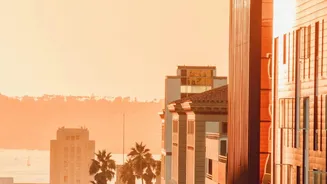
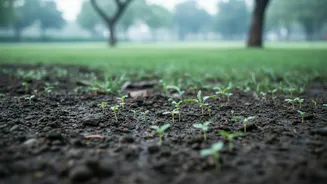
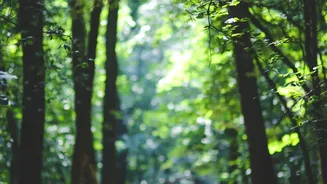
In a natural landscape like a forest or park, the ground acts like a sponge. Rain soaks into the soil, and this moisture is slowly released back into the air through evaporation, a process which actively cools the surroundings. Cities, however, are covered
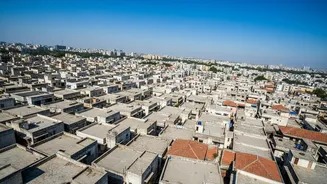
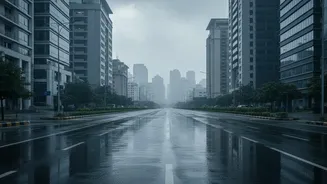
in non-porous materials like concrete, asphalt, and brick. When rain hits these surfaces, most of it doesn't get absorbed. Instead, it quickly runs off into storm drains, taking its potential cooling effect with it. Without a large surface area of wet ground to facilitate evaporation, the long-term cooling benefit is drastically reduced. The city simply can't hold onto the water long enough for it to make a lasting difference.
Trapped Heat and the Steam Effect
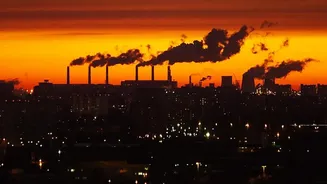
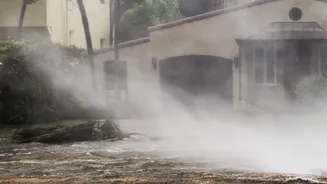
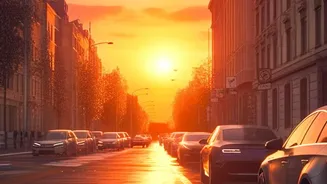
Urban materials are not just waterproof; they are also excellent at storing heat. Throughout the day, buildings and roads absorb immense amounts of solar radiation, becoming giant thermal batteries that continue to release heat long after the sun has set. This is the core of the urban heat island effect. A brief rain shower might cool the immediate surface, but it barely touches the vast reservoir of heat stored within the concrete and asphalt. In fact, a light rain on a hot surface can sometimes make things feel worse by creating a sudden burst of humidity, turning the city into a temporary steam room without providing significant temperature reduction.
Not All Rain Is Created Equal
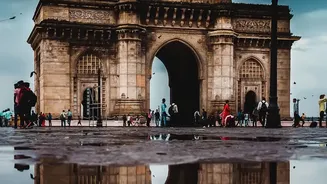
The type of rainfall also matters. A short, intense downpour, common during monsoon seasons, leads to rapid runoff and minimal cooling. The water is gone before it can evaporate and cool the air. In contrast, a long, slow, and steady drizzle would be more effective, allowing more time for surfaces to cool and for some evaporation to occur. However, the nature of urban landscapes, with their efficient drainage systems, often works against even this ideal scenario. Research has shown that the cooling effect of rain on surfaces is a real phenomenon, but its impact is often neglected in weather models and can be short-lived in a dense urban environment.
So, What Actually Works?
If rain is not the answer, what is? The solutions lie in changing the urban landscape itself to behave more like a natural one. This is where green infrastructure comes in. Planting more trees is crucial; their canopy provides shade that can make surfaces dramatically cooler, while the process of transpiration from their leaves releases moisture and cools the air. Green roofs, permeable pavements that allow water to soak through, and creating more parks and vegetated spaces are all proven strategies. These nature-based solutions work by reintroducing the cooling mechanisms of shading and evaporative cooling that concrete jungles have erased. Even simple solutions like using lighter-coloured, more reflective materials for roofs and roads can help bounce sunlight back instead of absorbing it as heat.