





The Shifting Snack Aisle
Walk down the snack aisle of any urban supermarket or scroll through a quick-commerce app, and the change is palpable. Alongside the familiar packets of fried chips and namkeens, there is a growing army of products boldly proclaiming their protein content.
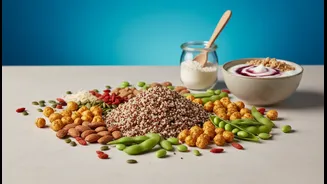
Protein bars, once confined to gym bags, are now positioned as meal replacements for busy professionals. Chips and wafers, the quintessential indulgence, are being reimagined with ingredients like chickpeas, lentils, and even yeast protein. It's a fundamental shift from snacking for pure indulgence to snacking with a purpose—a move towards functional foods that offer benefits beyond just taste and satiety. This isn't just about niche health food stores anymore; it's a mainstream phenomenon reflecting a deeper change in the Indian consumer's mindset.
From Niche Concern to National Priority
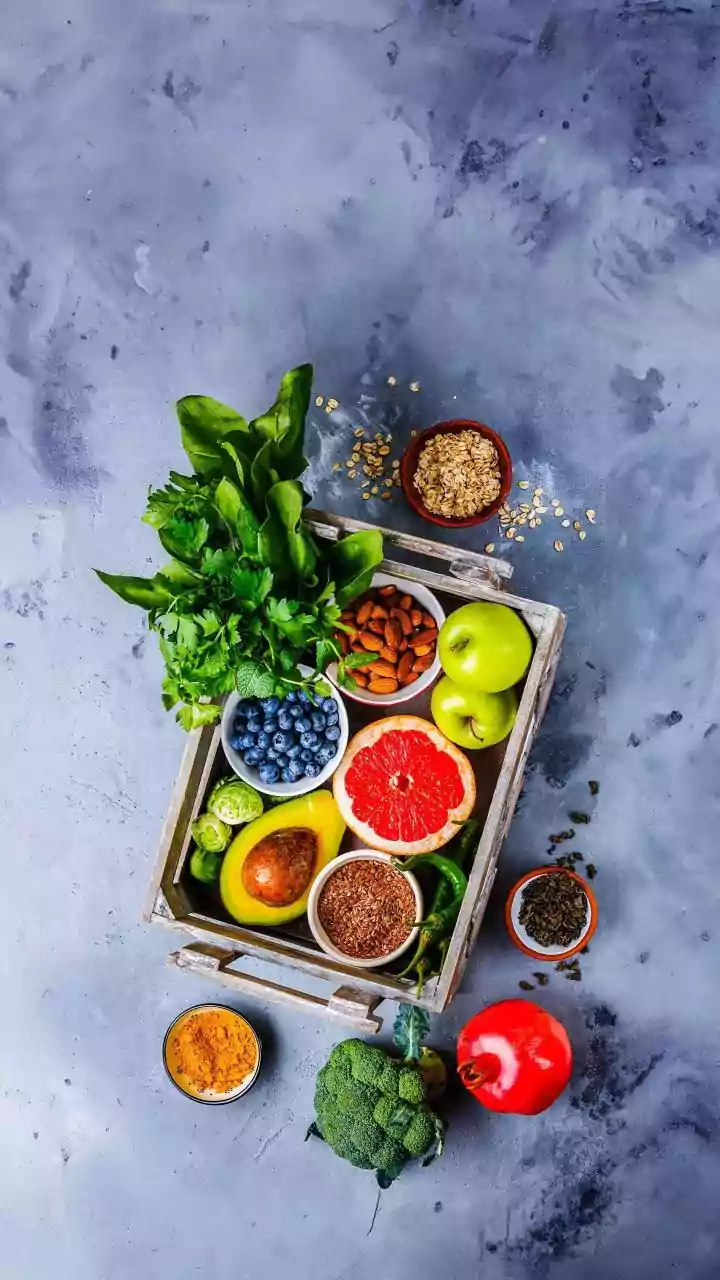
So, what’s driving this protein revolution? It's a mix of heightened health awareness, changing lifestyles, and economic growth. The conversation around protein has moved beyond athletes and bodybuilders. For decades, Indian diets have been predominantly cereal-based, which can be lacking in high-quality, easily digestible protein. Recent reports highlight that while average protein consumption might seem adequate, its quality is often poor. This growing awareness, amplified by social media and a booming wellness industry, has made everyday consumers conscious of their nutritional gaps. A recent comprehensive survey found that a staggering 86% of Indian snackers now consider protein an important factor in their choices. This has created a fertile ground for brands, with the Indian protein products market projected to see substantial growth in the coming years.
More Than Just Bars and Powders
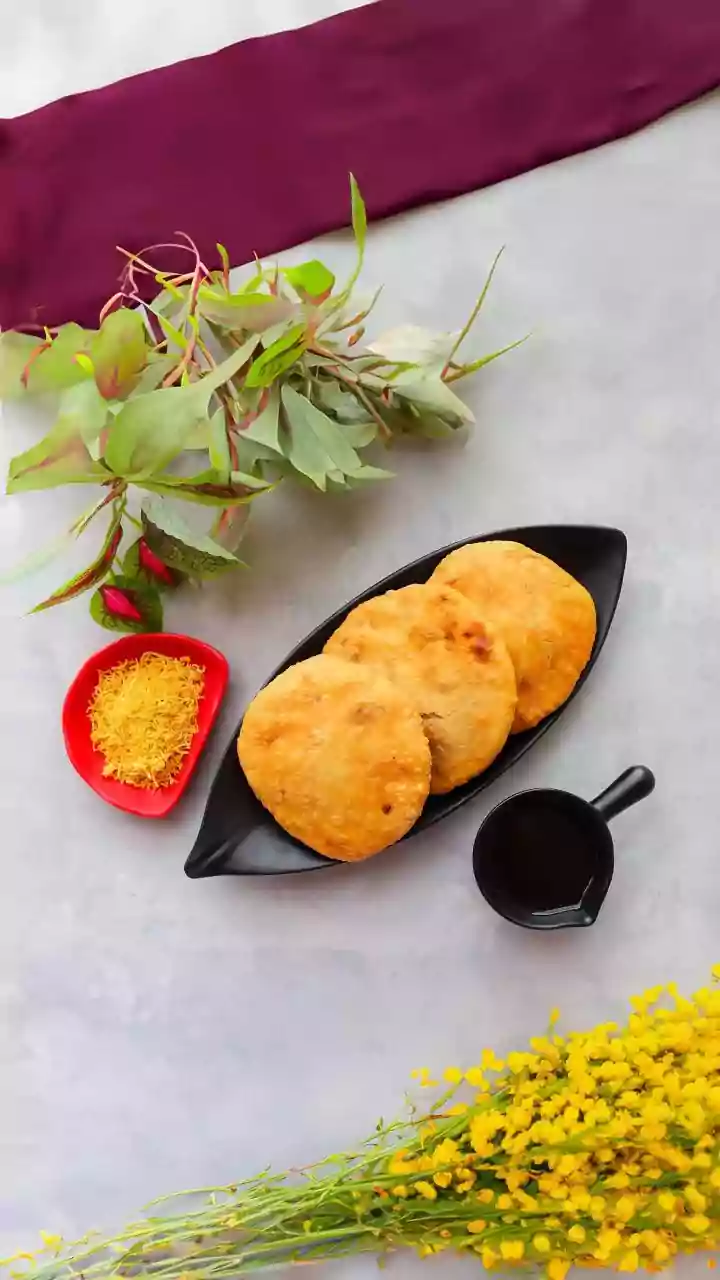
The true genius of this new wave is its adaptation to the Indian palate. Brands understand that to succeed, they can't just offer bland, functional products. The innovation is happening in formats that feel familiar and enjoyable. We're seeing protein-fortified versions of traditional favourites, from dosa batter to lassi. Snack brands are launching baked, not fried, multigrain chips, and even reinventing laddoos with nuts and dates instead of refined sugar. Even traditional powerhouses like paneer, eggs, roasted chana, and makhana are being rebranded and rediscovered for their protein benefits. This fusion of modern nutritional science with traditional tastes ensures that consumers don't have to choose between health and heritage.
The New Face of the Consumer
The audience for these snacks is also broadening rapidly. It's not just the metros; Tier II and III cities are showing explosive growth in demand for protein-rich products, driven by rising incomes and aspirations. Consumers are becoming more discerning, with studies showing that a majority now prioritise clean labels and ingredient transparency over celebrity endorsements. Many are willing to pay a premium for healthier options for themselves and their families. This intentional consumer is seeking functionality, convenience, and transparency, and is reshaping the future of the food industry in India.
Challenges on the Horizon
Despite the boom, the path forward isn't without obstacles. Price sensitivity remains a major factor in a value-conscious market like India. The higher cost of protein-fortified foods can be a significant barrier for many. Taste is another non-negotiable hurdle; if a healthy snack doesn't deliver on the flavour that Indian consumers are accustomed to, it's unlikely to succeed. Furthermore, the market faces challenges from a reliance on imported raw materials for certain types of protein, which can affect cost and supply chains. Brands that can successfully navigate these challenges by balancing nutrition, taste, and affordability will be the ones to win the Indian snacker's loyalty.