




Myth: We are eating a credit card's worth of plastic every week.
This alarming claim, often attributed to a 2019 study, has become a viral talking point. While it makes for a shocking headline, it’s an estimation based on a review of other studies and not a direct measurement of what an average person consumes. The
reality is that measuring exact ingestion is incredibly difficult. While we do consume microplastics, the “credit card” analogy is more of a communication tool to highlight the scale of plastic pollution than a precise dietary fact. The actual amount varies wildly based on diet, location, and lifestyle.
Reality: Microplastics are found in many common foods.
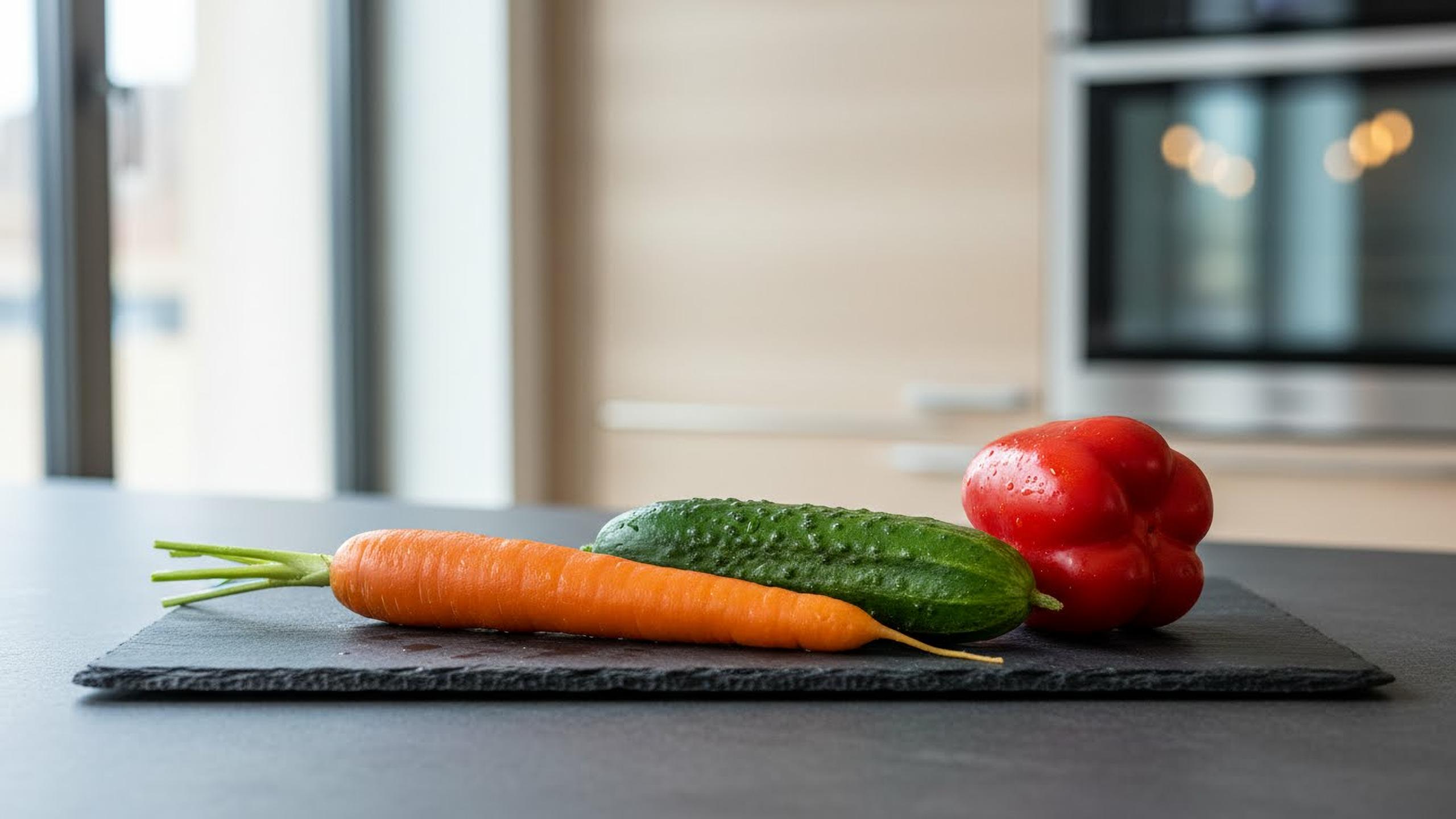
Scientific studies have confirmed the presence of microplastics in a wide range of everyday items. They have been detected in seafood, particularly shellfish like mussels and oysters that filter large volumes of water. But it’s not just seafood; studies have also found them in salt, sugar, honey, beer, and bottled water. Research shows produce like apples and carrots can absorb microplastics through their roots, and that highly processed foods, like fish sticks and chicken nuggets, tend to contain more particles than their unprocessed counterparts, suggesting processing and packaging play a role.
Myth: Microplastics are proven to cause severe diseases in humans.
This is one of the most significant areas of misunderstanding. While lab studies on human cells and animals have suggested potential negative effects—including inflammation, cell damage, and disruptions to the immune and metabolic systems—this is not the same as proving cause-and-effect in the human body. Major health organisations like the World Health Organization (WHO) and the U.S. Food and Drug Administration (FDA) currently state there is not enough evidence to conclude that the levels of microplastics found in food pose a risk to human health. The link is an area of active research, but claims of proven danger are premature. The absence of evidence of risk, however, is not evidence of absence.
Reality: The main source is environmental pollution and packaging.
How do these particles get into our food? The primary pathway is through widespread environmental contamination. Larger plastic items break down in our oceans, soil, and waterways, and are then ingested by animals or absorbed by plants. Food processing and packaging are also significant contributors. For example, studies have shown that steeping a plastic tea bag at brewing temperature can release billions of microplastic particles. Hot liquids in plastic-lined cups and reheating food in plastic containers can also increase the transfer of particles to your food.
Myth: There is nothing you can do to reduce your exposure.
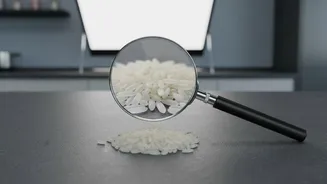
While it's impossible to avoid microplastics completely, you can take simple, practical steps to lower your exposure. Experts suggest focusing on reducing your use of plastic in the kitchen. For instance, drink filtered tap water from a glass or stainless steel bottle instead of buying bottled water, which studies show is a major source of microplastics. Avoid microwaving food in plastic containers; transfer it to glass or ceramic first. Choosing fresh, whole foods over highly processed and packaged alternatives can also make a difference. Simple actions like washing rice before cooking can also help reduce plastic particle counts.