


Heed Official IMD Warnings
Before anything else, your first step should be to check with the experts. The India Meteorological Department (IMD) is the official source for weather forecasts and warnings across the country. As of August 31, 2026, the IMD has issued alerts for heavy
to extremely heavy rainfall in several regions for the first week of September, including Odisha, Chhattisgarh, and parts of eastern, central, and northeast India. While the overall monthly forecast for September suggests below-normal rainfall for the country as a whole, specific low-pressure systems can still bring intense, localized downpours. The IMD provides detailed, colour-coded warnings (Red, Orange, Yellow) that can help you understand the severity of expected weather. Check their website, Mausam, or their mobile apps for the most current information for your destination.
Watch the Sky for Clues
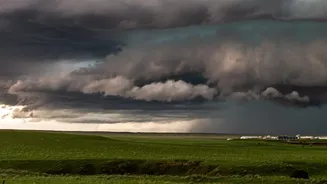
Long before you feel the first drop, the sky offers plenty of hints. Look for dark, towering cumulonimbus clouds, which often indicate an impending storm. Another tell-tale sign is a 'shelf cloud'—a low, long, wedge-shaped cloud that appears to be advancing. If you see one, a downpour is likely not far behind. Pay attention to the speed of cloud movement. If clouds are gathering and moving unusually fast, or seem to be swirling, it suggests a storm system is building. A sky that turns a bruised, greenish-blue colour can also signal a particularly severe storm with hail.
Notice Changes in Air and Wind
Your senses can be a reliable weather instrument. A sudden drop in temperature and a noticeable increase in wind speed are classic precursors to a heavy shower. These gusts often arrive just ahead of the rain front. You might also notice a distinct smell in the air—often described as earthy or like fresh compost—as moisture interacts with dry soil and plants release waste. In very low-pressure systems that bring storms, even smoke from a fire might hang low to the ground instead of rising straight up.
Listen for the Sounds of a Storm
Sound is another critical warning sign. Distant thunder is an obvious clue that a storm is near. Since you see lightning before you hear thunder, any rumble means the storm is close enough to pose a risk. In hilly or mountainous areas, a sudden, loud roaring sound—sometimes compared to a freight train—can be a sign of an approaching flash flood. This sound is created by a wall of water, rocks, and debris moving rapidly downstream and should be treated as an immediate signal to seek higher ground.
Monitor Local Water Levels
When you're travelling, especially near rivers, streams, or low-lying areas, pay close attention to the water. A sudden rise in water levels, or a calm stream quickly turning muddy and turbulent, is a clear danger sign. Water pooling on roads or in areas where it normally drains well indicates that the ground is saturated and stormwater systems are overwhelmed, increasing the risk of flash flooding. This is particularly important in regions like Himachal Pradesh and Uttarakhand, which can be prone to landslides and flash floods during the monsoon.
Choose Your Destination Wisely
If your September travel plans are flexible, consider the weather patterns. While many parts of central and eastern India are under heavy rain alerts, some regions are at their best. Rain-shadow areas like Ladakh and Spiti are typically dry and sunny in September. Kerala, famous for its monsoon Ayurveda season, and Rajasthan, where the landscape is lush and crowds are thin, can also be excellent choices. However, it's wise to avoid destinations known for landslides or where heavy rains can cut off access. Always check local conditions before setting out.
Pack for Preparedness
Smart packing is essential for any monsoon trip. Lightweight, synthetic clothing that dries quickly is a must. Pack a reliable raincoat and an umbrella. Waterproof footwear with good grip is crucial for navigating wet and slippery surfaces. Protect your electronics, including your phone, camera, and chargers, by keeping them in waterproof bags or cases. A power bank is also a good idea in case of power cuts. Finally, always carry a basic first-aid kit with medications for common ailments, as well as insect repellent.