



The Great Homecoming of Food
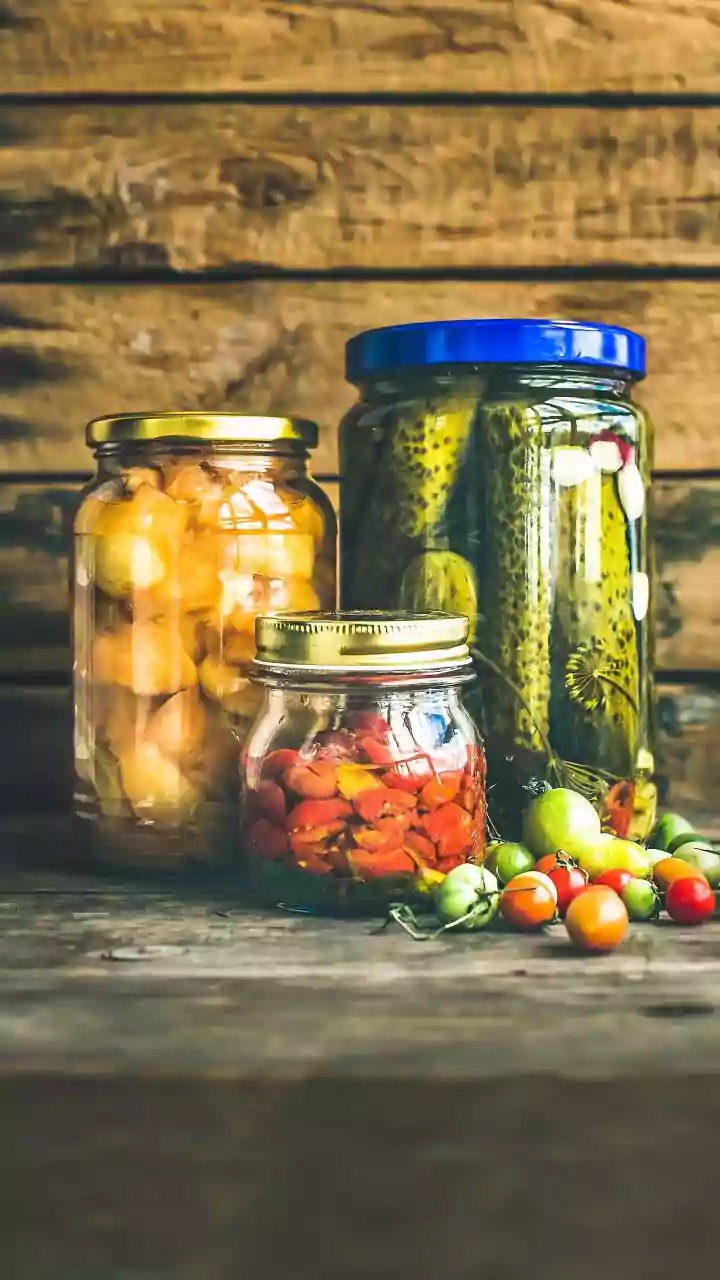
After a long flirtation with exotic and often expensive global superfoods, there's a quiet, confident return to culinary roots across India. This isn't about nostalgia; it's a conscious movement towards food that is familiar, sustainable, and scientifically
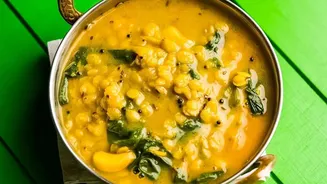
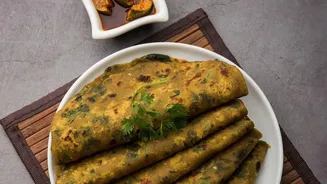
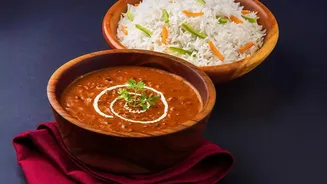
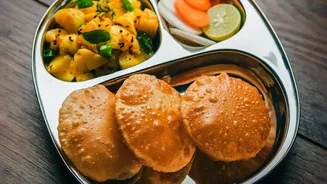
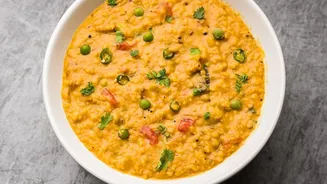
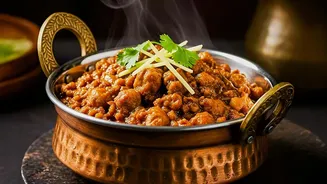
sound. Nutrition experts and everyday consumers are finding that the true pillars of health aren't in imported packets but in the everyday wisdom of our grandmothers' kitchens. This shift prioritises local, seasonal, and traditional ingredients that are perfectly suited to our bodies and climate. It’s a move away from the complexities of fad diets towards a more intuitive and balanced way of eating, celebrating the functional brilliance of a traditional Indian plate loaded with lentils, vegetables, and whole grains.
The Mighty Comeback of Millets
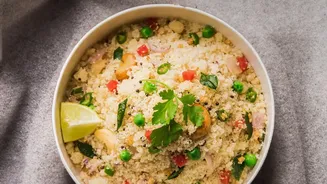
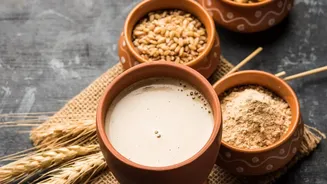
At the forefront of this trend is the resurgence of millets. Grains like ragi (finger millet), jowar (sorghum), and bajra (pearl millet) were once staples before being sidelined by rice and wheat. Now, they are making a powerful comeback. Championed for their impressive nutritional profile—high in protein, fibre, and essential minerals—millets are also gluten-free and have a low glycemic index, making them excellent for managing lifestyle diseases. This revival was significantly boosted by the United Nations declaring 2023 the 'International Year of Millets', which spotlighted their climate-resilient nature; they are drought-resistant and can grow in poor soil, making them a sustainable choice for farmers. From millet dosas to cookies, these ancient grains are being creatively integrated into modern diets.
Good Fats and Ancient Wisdom
The 'low-fat' myth that dominated health conversations for decades is finally being dismantled, bringing traditional fats like ghee back into the limelight. Once wrongly blamed for heart issues, pure desi ghee is now celebrated by health experts for its numerous benefits. Rich in fat-soluble vitamins like A, E, and K, ghee also contains butyrate, a short-chain fatty acid that supports gut health and reduces inflammation. Its high smoke point makes it a stable and safe medium for Indian cooking methods. Similarly, cold-pressed local oils like mustard, coconut, and groundnut are being chosen over heavily processed refined oils. This return to traditional fats is about appreciating fats that nourish the body, aid digestion, and enhance flavour, just as Ayurvedic wisdom has suggested for centuries.
Eating With the Seasons
A core principle of traditional Indian eating is consuming what is local and in season, and this practice is seeing a major revival. Rather than demanding cauliflower in summer or mangoes in winter, there is a growing appreciation for the superior taste, nutritional value, and environmental benefits of seasonal produce. Eating seasonally ensures that fruits and vegetables are at their nutritional peak. Traditional Indian cuisine is inherently designed around this concept, with specific dishes and preparations meant for different times of the year to help the body adapt. This shift encourages consumers to reconnect with their local food cycles, support local farmers, and enjoy a wider variety of nutrients throughout the year, moving away from the monotony of year-round supermarket availability.
More Than Just a Diet
This movement is about more than just personal health; it's about cultural and economic well-being. By choosing indigenous foods, consumers support local agricultural economies and help preserve biodiversity. It's a rejection of the one-size-fits-all approach to nutrition and an embrace of food that has a cultural context and a story. This return to the Indian kitchen acknowledges that health is holistic, encompassing not just nutrients but also tradition, sustainability, and community. The spices that define Indian cooking, like turmeric, cumin, and ginger, are not just for flavour but are potent sources of antioxidants and anti-inflammatory compounds. Ultimately, this trend is a powerful reminder that our own food heritage holds the keys to a healthy future.