




Beyond Shillong: Discovering Jowai
While most travel itineraries for Meghalaya pivot around Shillong and Cherrapunji, the curious traveller is beginning to look east. About 66 kilometres from Shillong lies Jowai, the headquarters of the West Jaintia Hills district. This isn't just another
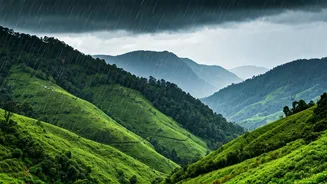
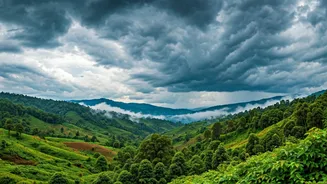
town; it's the cultural and political hub of the Pnar people, one of Meghalaya's major communities. Jowai serves as the perfect gateway to a region defined by a potent mix of breathtaking nature, profound history, and living culture. Unlike its more crowded counterparts, Jowai offers a sense of discovery, a feeling that you’re witnessing something still raw and untamed, far from the typical tourist trail.
A Land of Electric-Blue Waterfalls
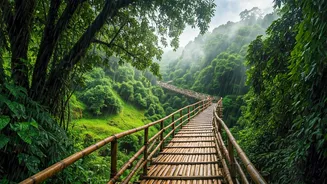
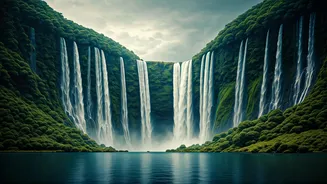
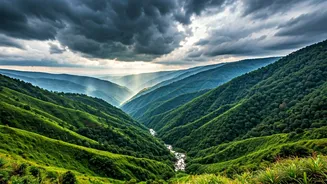
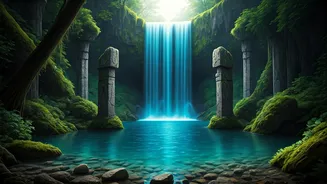
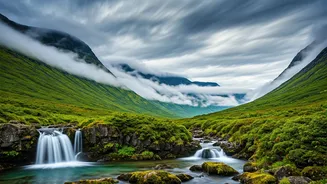
The true showstoppers of the Jaintia Hills are its water bodies, and Jowai is the launching pad to the most spectacular among them. Chief among these is Krang Suri Falls. Blessed with shimmering, almost impossibly blue waters, it has become a magnet for those seeking nature’s magic. A short trek leads you to a pool perfect for a refreshing swim, set against a backdrop of cascading water and lush greenery. Then there is Tyrshi Falls, often called Jowai’s answer to Shillong's famous Elephant Falls, but grander. A beautiful arched bridge and a winding footpath offer panoramic views of the falls cascading over steps into the verdant Pynthor Nein valley below. These are not just picnic spots; they are experiences that define the region's otherworldly beauty.
Whispers of the Past: The Nartiang Monoliths
A short drive from Jowai lies one of India’s most significant megalithic sites: the Nartiang Monoliths. This is the largest collection of monoliths in Meghalaya, a veritable garden of ancient stones. The site features both tall, upright stones called 'menhirs' (representing male ancestors) and flat table stones called 'dolmens' (representing female ancestors). The tallest of these, standing over 8 meters high, is said to have been erected by U Mar Phalyngki, a legendary Jaintia lieutenant, to commemorate a victory. Walking among these silent sentinels, some dating back to the 16th century, is a powerful journey into the spiritual and historical heart of the Jaintia kingdom.
A Vibrant Cultural Tapestry
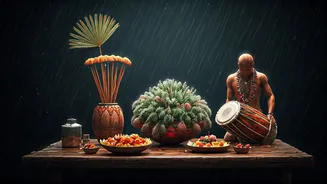
To visit Jowai is to immerse yourself in the culture of the Pnar people. If you time your visit for July, you can witness the Behdeinkhlam festival, one of Meghalaya's most important cultural events. Meaning "to chase away the plague with sticks," this vibrant festival is an invocation for a bountiful harvest and community well-being. Young men beat rooftops with bamboo poles to drive away evil spirits, and the celebration culminates in a frenzied, joyous group dance and a unique game resembling football played with a wooden ball. The festival also showcases towering, brightly coloured structures called 'Rots' that often carry powerful social messages, blending ancient ritual with contemporary concerns.
Planning Your Jowai Adventure
The best time to visit Jowai and its surroundings is between October and May, when the weather is pleasant and the skies are clear, making it ideal for sightseeing. Winters (November to February) are crisp and cold, with temperatures dipping to 4°C, while spring (March to April) sees nature in full bloom. Jowai is easily accessible by road from Shillong, a journey of about two to three hours. While accommodation options in Jowai itself are fewer than in Shillong, you can find comfortable stays and community-run guesthouses, particularly in areas like Ialong Park, which offer stunning valley views. For a more immersive experience, consider basing yourself here for a few days to explore the region at a leisurely pace rather than as a day trip.