




Why Yoga Is a Game-Changer for Teens
Adolescence is a whirlwind of academic pressure, social changes, and self-discovery. Yoga provides a quiet space to navigate these challenges. Studies and experts note that a regular practice can significantly lower stress and anxiety by teaching valuable
mindfulness and breathing techniques. It's not about achieving pretzel-like poses; it’s about learning how to pause, breathe, and respond to life with a calmer mind. Furthermore, yoga fosters a healthy relationship with the body. In a non-competitive environment, teens learn to appreciate what their bodies can do, which can boost self-esteem and encourage a more positive body image. This practice also has a positive effect on cognitive functions, potentially improving concentration and academic performance.
Create a No-Pressure Environment
To get a teen interested, the key is to make yoga feel like an opportunity, not a chore. The environment you create is crucial. Forget about a silent, formal studio vibe. Let them lead the way by choosing the music; a playlist of their favourite relaxing tunes can make the experience much more personal and engaging. Designate a comfortable, quiet corner of a room for the practice, but keep it casual. The goal is to establish a space where they feel safe to explore movement without judgment. You could even do it with them, which shows support and makes it a shared activity rather than a solo task. The most important rule is to keep it light and voluntary.
A Fun and Easy 10-Minute Starter Flow
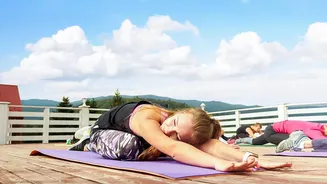
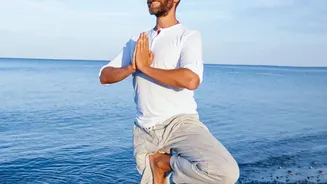
Consistency is more important than intensity. A simple 10-minute routine is an achievable starting point. The focus should be on feeling good, not on perfect form. Here is a sequence of five easy-to-follow poses perfect for beginners: 1. Cat-Cow Pose: Start on all fours. As you inhale, drop your belly and look up (Cow). As you exhale, round your spine and tuck your chin (Cat). This warms up the spine and helps release tension. 2. Downward-Facing Dog: From all fours, tuck your toes and lift your hips up and back, forming an inverted 'V' shape. You can bend your knees generously and 'pedal' your feet to stretch your hamstrings. This pose is great for energy. 3. Warrior II: Step one foot forward between your hands and rise up, extending your arms parallel to the floor. This powerful pose helps build confidence and strength. 4. Tree Pose: Stand on one leg and place the sole of your other foot on your ankle or calf (avoiding the knee). This pose is excellent for improving balance and focus. 5. Child's Pose: Kneel on the floor, sit back on your heels, and fold forward, resting your forehead on the mat. This is a restorative pose that helps calm the mind and relieve stress.
Making the Habit Stick
Turning a 10-minute session into a daily habit requires a gentle and patient approach. One of the best strategies is to 'tack' the yoga practice onto an existing daily routine, like right after waking up or before starting homework. This is known as habit stacking and makes it easier to remember. Using a yoga app with guided sessions for beginners can also provide structure and variety. Another powerful motivator is to practice together, at least for the first few weeks. Having a friend or family member join in creates accountability and makes it more fun. Remember to celebrate the effort, not just the outcome. The goal isn’t to become a yoga expert overnight but to build a sustainable practice that supports long-term well-being.