






From Ancient Wisdom to Modern Must-Have
For thousands of years, systems like Ayurveda in India and Traditional Chinese Medicine (TCM) have offered holistic frameworks for health. These traditions emphasise living in harmony with nature, often prescribing specific routines, diets, and remedies
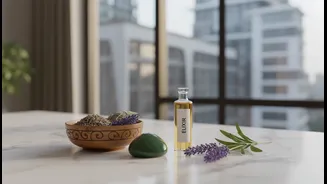
based on the season—a concept known in Ayurveda as Ritucharya. Today, these very principles are being extracted, rebranded, and sold to a new generation of urban consumers. Practices like oil pulling, tongue scraping, and using adaptogenic herbs like Ashwagandha are no longer confined to traditional households; they are now packaged in minimalist glass bottles and sold at a premium. This booming wellness industry has successfully translated ancient self-care into aspirational—and highly profitable—consumer goods.
The Search for Authenticity and Control
So, what’s driving this demand? A key factor is a growing disillusionment with conventional healthcare systems, which are often seen as reactive and impersonal. In a world of digital fatigue, chronic stress, and environmental uncertainty, many urban professionals are seeking proactive ways to manage their well-being. They crave a sense of control over their health, and ancient rituals offer a compelling narrative of empowerment and self-reliance. There's a powerful psychological pull towards practices that feel timeless and rooted in nature, offering an antidote to the pressures of modern life. This turn towards tradition is also part of a broader shift where consumers are increasingly defining luxury not by material goods, but by their state of well-being.
The Polished World of Wellness Inc.
Brands have been quick to capitalise on this shift, creating a sophisticated ecosystem of products and services. The global wellness market is a behemoth, valued in the trillions of dollars. In India, the luxury spa and wellness market is also seeing significant growth, projected to expand considerably by 2030. The commercialisation strategy is multifaceted. It involves sleek, aesthetically pleasing packaging, scientific-sounding validation for ancient claims, and a heavy reliance on social media influencers to create buzz and lend authenticity. Luxury wellness retreats now integrate Ayurvedic consultations and TCM-inspired treatments with modern diagnostics like metabolic panels and sleep data, creating a blend of ancient wisdom and modern science.
The Fine Line Between Appreciation and Appropriation
However, this lucrative transformation is not without controversy. The repackaging of these rituals often raises critical questions about cultural appropriation. When practices are stripped of their spiritual and cultural context and sold for profit, their original meaning can become diluted or misrepresented. For example, yoga is often marketed purely as a physical fitness routine, ignoring its deep spiritual roots as a free, devotional practice. Similarly, sacred symbols like 'Om' are printed on designer activewear, and traditional remedies are marketed as 'ancient secrets' discovered by modern brands. This commodification can sideline the very communities that have preserved these traditions for generations, who rarely share in the profits.