

The Old Guard of Snacking
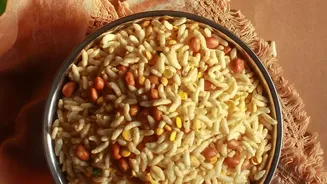
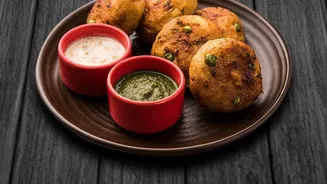
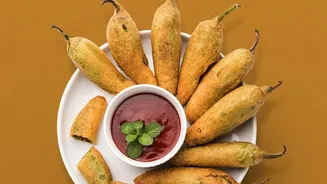
For decades, the Indian snack universe was dominated by a comforting and flavourful array of options. Think of the classic 'mixture'—a medley of fried lentils, peanuts, sev, and boondi, seasoned with a signature spice blend. These, along with samosas,
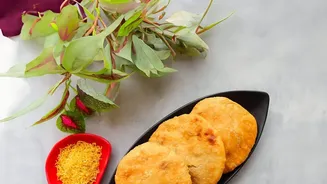
pakoras, and regional namkeens, have been the undisputed champions of tea time. Often homemade or sourced from trusted local vendors, these snacks are deeply woven into the country's cultural fabric, synonymous with hospitality, festivals, and simple daily pleasures. They represent a taste of home and nostalgia, a flavour profile passed down through generations. While these indulgent favourites remain popular, their dominance is now being challenged by a powerful new trend.
A New, Health-Conscious Consumer
The primary catalyst for this snacking evolution is a dramatic shift in consumer awareness. Spurred by rising urbanisation, increased disposable incomes, and a greater understanding of lifestyle-related health issues, Indians are becoming more intentional about their food choices. This isn't a niche trend; it's a mainstream movement. A recent report highlighted that a vast majority of Indian consumers, as high as 86%, now consider protein content when choosing a snack. Furthermore, over 70% of shoppers actively read ingredient labels and nutritional information before making a purchase. This 'mindful munching' has created a burgeoning demand for snacks that are not just tasty and convenient but also align with wellness goals. Consumers are actively seeking options that are low in calories, baked instead of fried, and free from artificial additives.
The Meteoric Rise of Makhana
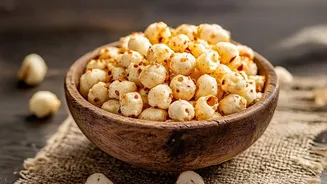
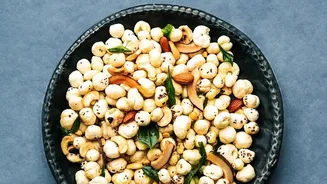
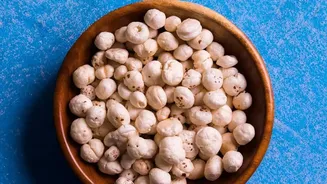
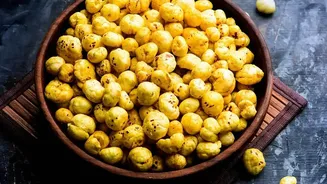
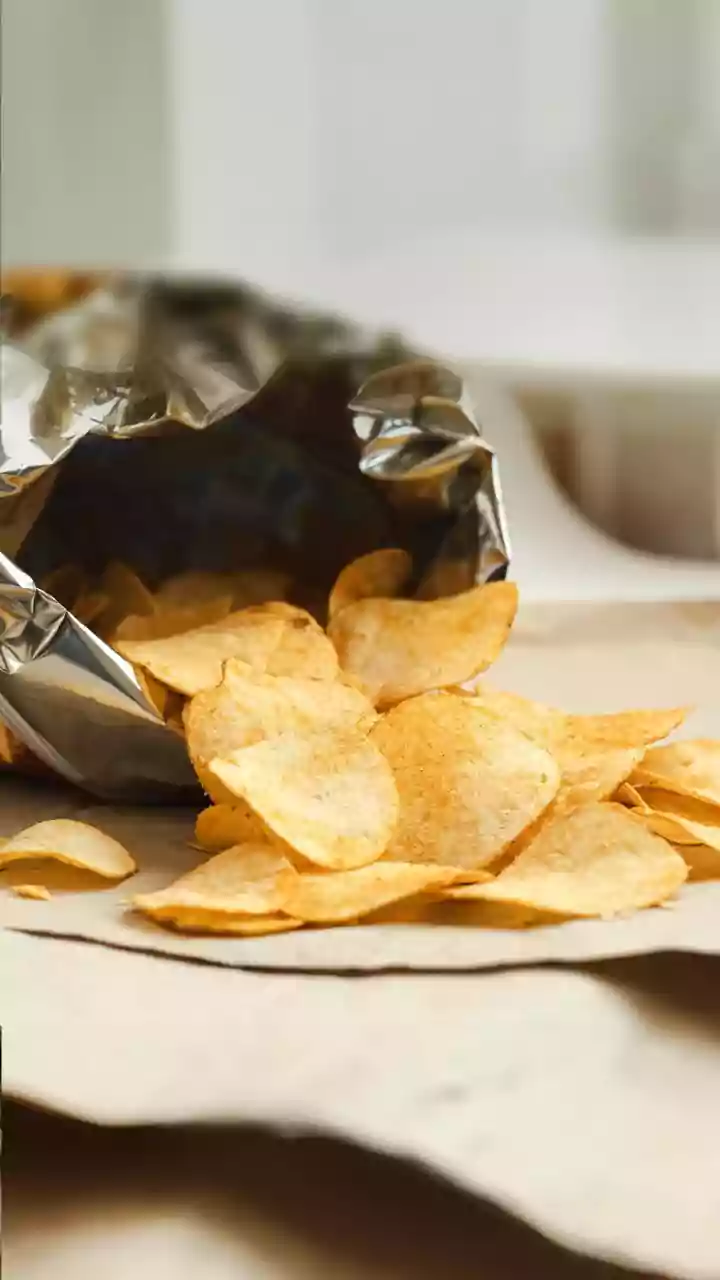
At the forefront of this healthy snacking revolution is makhana, or fox nuts. Once primarily consumed during religious fasts, these puffed lotus seeds have been rebranded as a modern superfood. Their appeal is multi-faceted. Makhanas are naturally low in calories and fat, gluten-free, and rich in protein and fibre, which helps you feel full for longer. This impressive nutritional profile makes them an ideal guilt-free alternative to fried potato chips and other conventional snacks. The commercial market has been quick to capitalize on this, transforming plain makhana into a convenient, packaged snack available in a dizzying array of flavours, from classic salt and pepper to peri-peri, cheese, and mint. This combination of health credentials and flavour innovation has turned makhana into a household staple for the health-conscious snacker.
Beyond Makhana: The New Snack Aisle
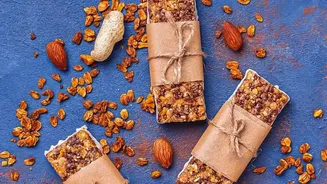
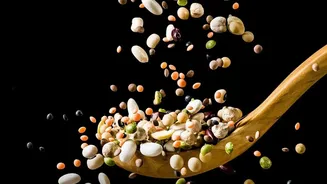
While makhana is the poster child of this shift, it's part of a much broader trend. The new snack aisle is filled with innovative products that offer health without compromising on taste. Millet-based snacks like ragi (finger millet) and jowar (sorghum) puffs are gaining popularity for their high fibre and nutrient content. Roasted chickpeas, lentil-based chips, and baked versions of traditional snacks like samosas and vadas are also finding favour. Nuts and seeds are also being positioned not just as ingredients but as standalone snacks, valued for their protein and healthy fats. This movement reflects a larger desire for 'clean labels', with consumers showing a strong preference for natural ingredients like jaggery over refined sugar and wholesome grains over processed flours.
How the Market is Responding
This consumer-led shift is reshaping the entire Indian snacks market, an industry valued at over INR 50,000 Crore. It's a space where tradition and innovation are now intersecting. Legacy brands, long known for their traditional namkeens, are launching new product lines focused on health, such as baked snacks and options made with healthier oils. Simultaneously, a wave of new direct-to-consumer (D2C) brands has emerged, building their entire identity around wellness, transparency, and natural ingredients. The market growth for 'smart snacking' is outpacing traditional formats, signalling that this is not a temporary fad but a fundamental and lasting transformation in the Indian palate and lifestyle.