



Beyond the Treadmill
A quiet revolution is reshaping India’s fitness culture. While conventional gyms and HIIT classes remain popular, a growing number of young Indians are turning to the country's own rich heritage of physical culture. This isn't about nostalgia; it's a conscious
choice to explore "desi" fitness regimens that offer something more than just a workout. From the warrior-like intensity of Kalaripayattu to the acrobatic grace of Mallakhamb, these ancient practices are finding a new audience in a generation seeking authenticity, functional strength, and a deeper connection to their roots. This shift, often called the desi fitness movement, values holistic wellness over purely aesthetic goals, blending physical conditioning with mental focus and cultural pride.
The Ancient Arts Reimagined
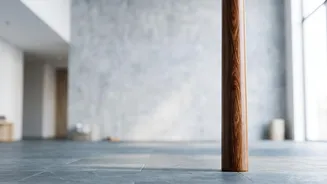
At the forefront of this trend are disciplines that have been practiced on Indian soil for centuries. Kalaripayattu, often called one of the oldest martial arts in the world, is experiencing a major revival. Originating in Kerala, it’s a complete system involving strikes, kicks, weaponry, and fluid movements inspired by animals. Its appeal to Gen Z lies in its comprehensive approach, building not just strength and agility, but also self-confidence and focus. Similarly, Mallakhamb, a traditional sport where gymnasts perform aerial yoga and wrestling postures on a vertical wooden pole or rope, is gaining traction. Once a training tool for wrestlers, it is now celebrated as a full-body workout that enhances core strength, balance, and flexibility in a way that modern equipment often cannot. Even simpler practices like using a Gada (mace) or engaging in Akhada-style wrestling exercises are being adopted for their focus on raw, functional power.
A Search for Identity and Wellness
So, why the shift? For many in Gen Z, this movement is part of a broader cultural reclamation. There is a growing desire to connect with and take pride in homegrown traditions as a reaction against decades of looking West for cultural cues. This generation is questioning and reinterpreting tradition on its own terms, seeing value in practices that are authentically Indian. Beyond cultural identity, these desi fitness forms offer a holistic approach that resonates with Gen Z's focus on overall well-being. Unlike workouts that can feel repetitive or isolating, practices like Kalaripayattu and Mallakhamb are seen as a union of mind and body, demanding discipline, concentration, and a sense of presence. They promise not just physical fitness, but mental clarity and a form of self-expression.
The Power of the Digital Akhada
Social media has played a crucial role in popularizing this trend. Instagram reels and YouTube channels are the new-age akhadas where practitioners showcase the stunning visual appeal of these art forms. Influencers demonstrating gravity-defying Mallakhamb poses or the powerful, fluid movements of Kalaripayattu have demystified these practices and made them accessible to a national audience. Seeing peers perform incredible feats of strength and agility inspires others to try it for themselves. This digital exposure has helped move these disciplines from niche, regional traditions to a nationwide fitness conversation. Furthermore, government initiatives like the Khelo India Youth Games have given sports like Mallakhamb and Kalaripayattu a national platform, boosting their visibility and legitimacy among young athletes.