


A Perfect Weather Window
Perhaps the most compelling reason to plan a wildlife trip in November is the weather. Across most of the country, the climate is delightfully pleasant. The scorching heat of summer and the heavy downpours of the monsoon are over, replaced by dry, sunny
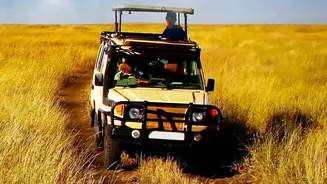
days and cool, comfortable nights. Average daytime temperatures often hover in the low to mid-20s Celsius, perfect for open-jeep safaris. In northern and central Indian parks, mornings can be quite crisp, so packing layers is essential, but the afternoons are typically glorious. This comfortable weather allows for longer, more enjoyable hours in the parks without battling extreme heat or rain.
The Grand Reopening
Many of India’s most famous national parks, particularly the tiger reserves in Central and Northern India, remain closed to visitors during the monsoon season, which generally runs from July to September or mid-October. This closure allows the ecosystem to regenerate without human interference. November, therefore, marks the fresh start of the main safari season. Parks like Ranthambore, Bandhavgarh, Kanha, and Corbett reopen their core zones around October and are in full swing by November. Visiting at this time means you are among the first to explore the revived forests, with pristine tracks and a sense of renewed wilderness awaiting you.
Lush Landscapes and Abundant Water
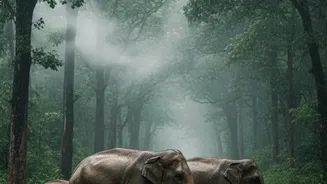
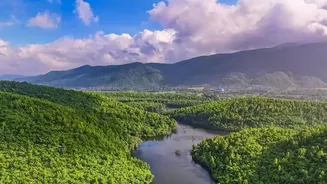
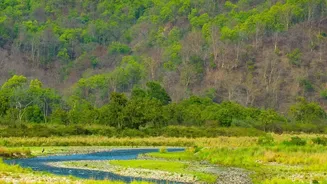
The monsoon leaves behind a breathtaking legacy: a landscape that is lush, vibrant, and bursting with life. In November, the forests are still deeply green, and water bodies like lakes, rivers, and streams are full. This not only creates a stunningly scenic backdrop for your safari but also influences animal behaviour. The abundance of water means animals are dispersed and not solely concentrated around a few remaining waterholes as they are in the hotter summer months. While this might seem like a disadvantage, the combination of accessible water and plentiful vegetation keeps the animals healthy, active, and visible throughout the park.
Prime Time for Animal Sightings
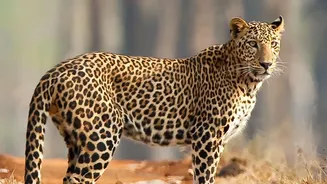
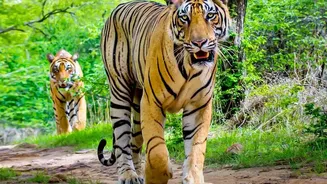
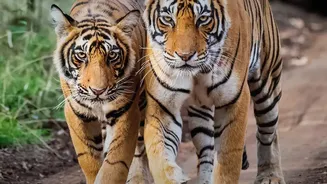
The pleasant temperatures of November encourage animals to be more active throughout the day. Tigers, for instance, may be spotted basking in the gentle winter sun, a sight less common during the peak heat of summer when they prefer to stay hidden in dense cover. The post-monsoon vegetation, while still green, begins to thin out just enough to improve visibility without the stark, dry conditions of later months. This creates a balanced environment where the forest is beautiful and spotting its inhabitants—from majestic tigers and leopards to herds of deer and wild boar—becomes a more frequent reward for the patient observer.
A Paradise for Birdwatchers
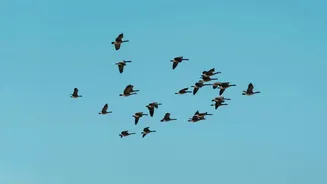
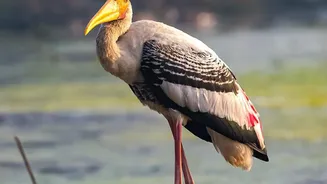
For birding enthusiasts, November is a spectacular month. It marks the beginning of the migratory season, when countless bird species fly from the cold northern latitudes of Europe and Siberia to winter in India's warmer wetlands and forests. Sanctuaries like Keoladeo National Park in Rajasthan and Nalsarovar Bird Sanctuary in Gujarat begin to fill with an astonishing variety of ducks, geese, pelicans, and cranes. Even in the major tiger reserves, the diversity of birdlife swells, adding a rich layer of sound and colour to the safari experience. From tiny Bluethroats to towering Siberian Cranes, the avian display is a major attraction in its own right.
Top Parks to Explore in November
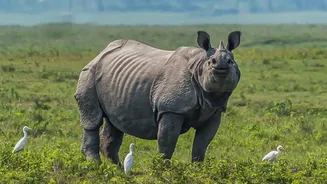
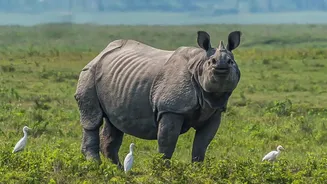
While most parks are excellent in November, some stand out. Ranthambore and Bandhavgarh are top choices for tiger sightings against dramatic backdrops. Kaziranga National Park in Assam, which often opens in November, offers unparalleled opportunities to see the great one-horned rhinoceros in its unique grassland ecosystem. For those in the south, parks like Periyar in Kerala remain open year-round and are particularly verdant and beautiful after the monsoon. Madhya Pradesh, the 'Tiger State', boasts several premier parks like Kanha and Pench that are in their prime during this period.