




The Undisputed Coastal Superstar
In the Konkan region, which spans the coastal areas of Maharashtra, Goa, and Karnataka, coconut trees are not just a scenic backdrop; they are a cornerstone of the local culinary identity. The cuisine is defined by what grows in abundance, and the coconut palm
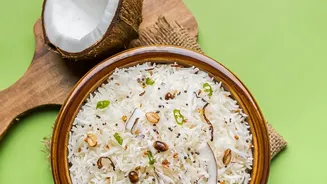
provides everything from shade to the very soul of its dishes. Unlike other Indian cuisines where coconut might be an occasional visitor, in Konkani vegetarian food, it is the foundation. It's used in its entirety, from fresh milk and grated flesh to toasted gratings and fragrant oil, showcasing a remarkable range that few other ingredients can match.
Liquid Gold: The Role of Coconut Milk
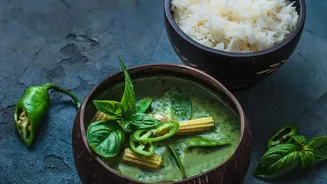
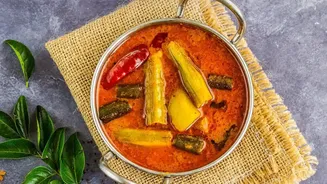
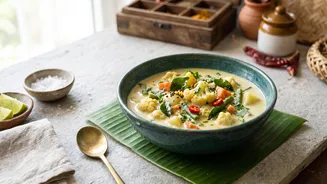
Perhaps the most celebrated use of coconut is in its liquid form. Freshly extracted coconut milk is the heart of many Konkani curries and stews, lending them a creamy, luscious texture and a subtly sweet flavour. A prime example is 'Valval', a comforting mixed vegetable stew. This dish features a medley of seasonal vegetables like pumpkin, sweet potato, and beans, gently simmered in a delicate coconut milk gravy that is seasoned with just cumin seeds and curry leaves. Another iconic preparation is 'Solkadhi', a beautiful pink-hued beverage made from coconut milk and the tangy kokum fruit. Served as a digestive cooler alongside spicy meals, Solkadhi perfectly balances the creaminess of coconut with the sourness of kokum, showcasing coconut milk's ability to be both a rich base and a refreshing coolant.
Texture and Body: Freshly Grated Coconut
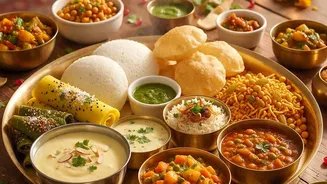
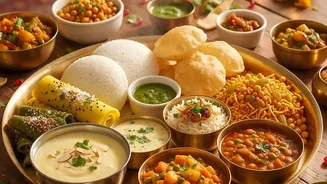
While coconut milk provides the creamy base, freshly grated coconut offers body, texture, and a more intense flavour. In many dishes, it's ground into a fine paste with spices to form the 'masala' that thickens gravies. A dish like 'Khatkhate', another mixed vegetable stew, often uses a ground coconut and lentil paste to create its signature texture. But its use goes far beyond curries. In 'Patholi', a traditional sweet, a filling of grated coconut and jaggery is encased in a rice flour batter, spread on turmeric leaves, and steamed. The turmeric leaves impart a divine aroma, while the sweet, moist coconut filling provides a delightful contrast to the soft rice casing. This shows how coconut can be the star of both savoury and sweet dishes.
The Aromatic Finish: Oil and Garnish
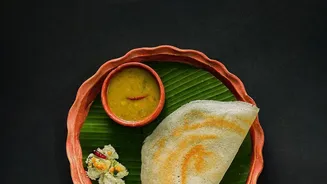
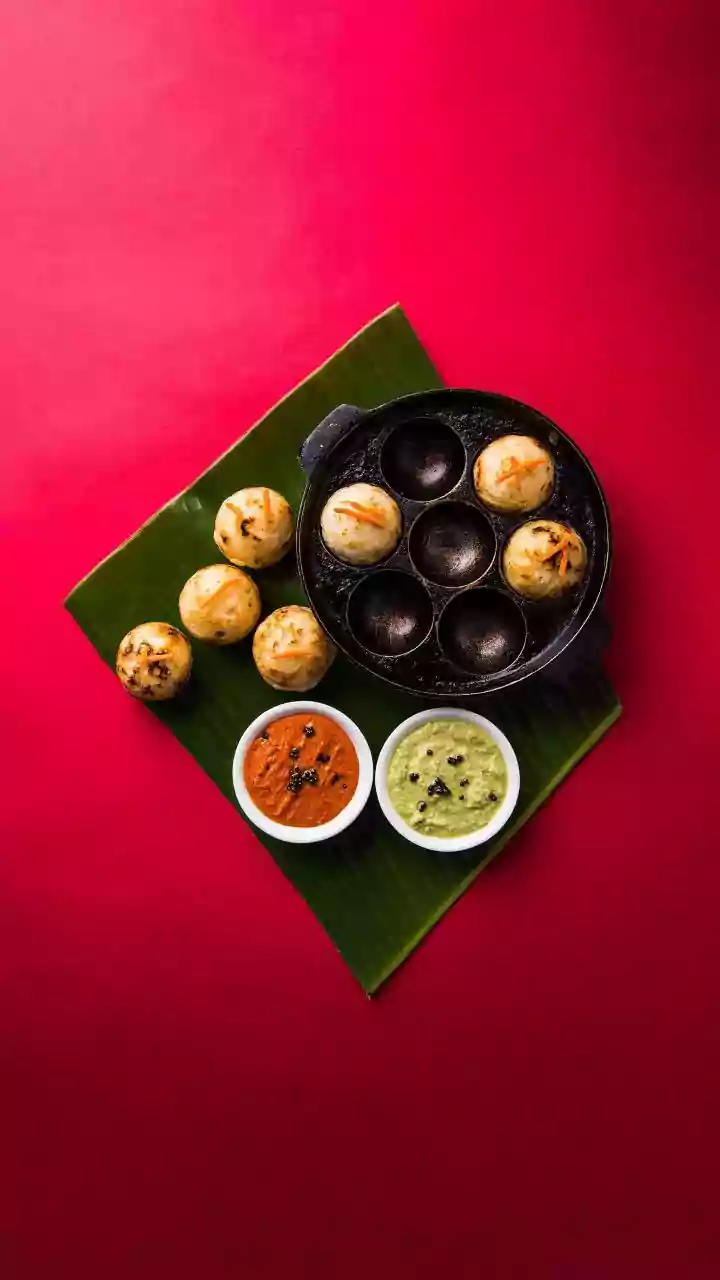
The versatility of coconut extends to its final forms: oil and garnish. Coconut oil is the preferred medium for tempering, or 'tadka'. The sizzle of mustard seeds, cumin seeds, and curry leaves in hot coconut oil is a sound and aroma that signals the final touch to many Konkani dishes, including Valval and various dals. This final flourish adds a layer of nutty fragrance that is distinctly coastal. Furthermore, a simple sprinkle of freshly grated coconut as a garnish adds a touch of sweetness and a pleasant, chewy texture to stir-fried vegetables (bhajis) and salads (koshimbirs). Even coconut chutneys, often served with rice crepes called 'Ghavan', rely on the fresh, sharp taste of raw grated coconut ground with chillies and tamarind.